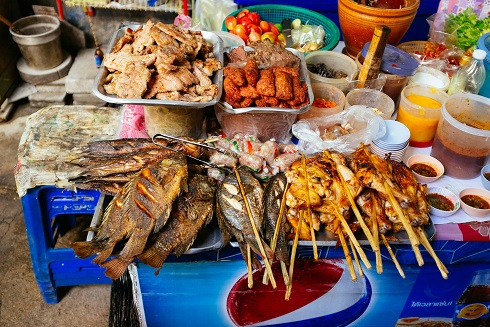
Street food, an integral aspect of culinary traditions across the globe, embodies the unique flavors, vibrant cultures, and cooking methods characteristic of various regions. From bustling markets in Southeast Asia to food stalls in Latin America, street food not only satisfies hunger but also offers a taste of local culture and heritage. Its origins can be traced back to ancient civilizations where vendors would sell food near public places such as temples, marketplaces, and streets. Over time, this practice evolved, adapting to local tastes and ingredients, ultimately creating a rich tapestry of gastronomic diversity.
The significance of street food transcends mere sustenance; it serves as a social conduit where people gather, connect, and share experiences. In many cultures, street food acts as a communal activity, promoting interaction among vendors and patrons. For example, in countries like India, street food stalls offer a communal dining experience where friends and families come together to savor delicious dishes either prepared on the spot or pre-made for convenience. This social aspect of street food culture has made it a beloved tradition, often passed down through generations.
As urban areas continue to grow and evolve, street food remains a vital expression of local traditions. Chefs and food enthusiasts embrace the challenge of innovating on classic recipes, frequently incorporating contemporary flavors while keeping the essence of traditional dishes intact. This fusion of old and new not only helps preserve culinary heritage but also encourages travelers and locals alike to explore the diverse offerings of street vendors. Thus, experiencing street food is not merely about tasting unique dishes; it is about engaging with the culture, history, and community that shape each flavorful bite.
Top Street Foods from Asia
Asia boasts an incredibly diverse culinary landscape, particularly when it comes to street foods. These dishes encapsulate the rich flavors and cultural traditions of their respective countries. One of the most iconic street foods from Thailand is Pad Thai. This delicious stir-fried noodle dish consists of rice noodles, tofu or shrimp, eggs, bean sprouts, and chopped peanuts, all seasoned with a tangy tamarind sauce. Vendors can be found in bustling markets, and trying Pad Thai from a seasoned street vendor often offers a unique culinary experience that highlights authentic Thai flavors.
Moving to Vietnam, Bun Cha is a must-try street food delicacy. This dish features grilled pork meatballs served alongside rice vermicelli, fresh herbs, and a flavorful dipping sauce. The grilling technique lends a smoky richness to the pork, and the vibrant array of herbs adds freshness. Street vendors throughout Hanoi are famous for their Bun Cha, making it an integral part of the city’s culinary heritage. Visitors can enjoy it with a refreshing side of pickled vegetables, enhancing the overall taste experience.
In Japan, Takoyaki has become a beloved street food item. These round, savory snacks are made from a batter filled with diced octopus, green onions, and pickled ginger, then cooked in a special molded pan until golden brown. Typically garnished with bonito flakes and takoyaki sauce, they are often served hot off the grill. Street fairs and festivals are excellent places to sample this dish, as vendors showcase their expert flipping techniques, ensuring that every bite bursts with flavor.
These street foods not only satisfy hunger but also reflect the local culture and community. Whether one is exploring the night markets of Thailand, the streets of Hanoi, or the vibrant festivals in Japan, indulging in street food is a delightful way to experience the essence of Asian cuisines.
Must-Try Street Foods in Europe
Europe is renowned for its rich culinary heritage, and street food plays an essential role in this gastronomic landscape. Travelers venturing into European cities will encounter an array of delectable options that showcase local traditions and reflect the unique cultural identities of each region.
One of the standout treats from France is the classic ‘Crepes’. These thin pancakes can be either sweet or savory, filled with a variety of ingredients, including fresh fruits, chocolate, or local cheeses. Originating in the Brittany region, crepes have become synonymous with French street cuisine, representing both simplicity and sophistication. Food stalls offering freshly made crepes can often be found at markets and festivals, allowing visitors to enjoy this culinary delight while soaking in the vibrant atmosphere.
Moving to Germany, the ‘Bratwurst’ stands out as an iconic street food. This flavorful sausage, often made from pork or veal, is typically grilled and served in a bun with a selection of condiments. The tradition of bratwurst dates back centuries, encapsulating the heart of German cooking and culture. Local street markets, particularly during festivals like Oktoberfest, provide an excellent opportunity to savor this beloved dish, accompanied by a refreshing local beer.
In Italy, one cannot overlook the exquisite ‘Gelato’. This creamy, frozen dessert is a staple across the country, boasting an extensive range of flavors that reflect the local fruits and ingredients. Gelato shops frequently dot the streets of Italian cities, and enjoying a cone while strolling is a quintessential experience that captures the leisurely lifestyle many Italians embrace.
In conclusion, street food in Europe not only tantalizes the taste buds but also offers a glimpse into the cultural fabric of the continent. Whether it be enjoying crepes in France, bratwurst in Germany, or gelato in Italy, these culinary delights are a must-try for any food enthusiast exploring the streets of Europe.
Street Foods from the Americas
The Americas boast a vibrant range of street foods that reflect their rich cultural diversity and culinary traditions. One of the most iconic street foods in North America is the taco, particularly prevalent in Mexico. Tacos are made with a variety of fillings, including grilled meats, seafood, and vegetables, all served in a corn or flour tortilla. They are often complemented with fresh toppings such as cilantro, onions, and a drizzle of salsa or lime. Due to their popularity, food trucks specializing in authentic Mexican tacos can be found in urban areas across the United States, making them accessible to both locals and travelers.
Moving towards South America, Venezuelan arepas represent a beloved street food staple. These cornmeal cakes can be grilled or fried and filled with an assortment of ingredients, ranging from cheese and avocado to shredded beef and black beans. Arepas are not only versatile but also gluten-free, making them an appealing choice for individuals with dietary restrictions. Food vendors often personalize these delights, leading to endless variations and ensuring a continuous repast for all who indulge in them.
In the United States, the burger has achieved a legendary status as a street food classic. Variations abound, from gourmet offerings topped with artisanal cheeses and craft condiments to traditional fast-food versions. Street fairs and food markets frequently feature gourmet burger trucks, where aspiring chefs put a unique twist on this beloved dish, using high-quality ingredients to elevate the experience. The accessibility of these burgers provided by food trucks makes them a sought-after choice for those on the go.
Ultimately, the street food landscape in the Americas is not just about the food itself; it symbolizes local culture and community. Whether you are tasting a taco in Mexico, enjoying an arepa in Venezuela, or grabbing a burger in the United States, these delightful dishes showcase the culinary heritage of their respective regions, making them must-try experiences for any food enthusiast.