


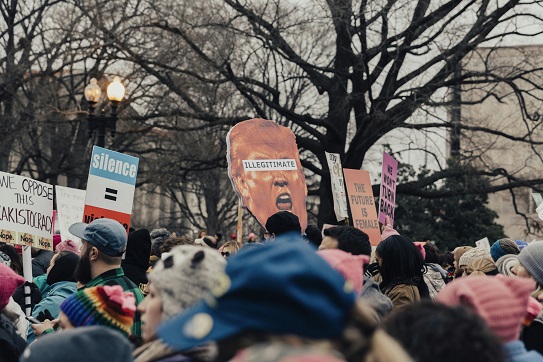
The climate change debate capturing national attention revolves around the multifaceted issues of climate change and environmental policy. This discussion has escalated in recent years, reflecting growing concerns about the impact of climate change on both a global and local scale. Key stakeholders in this debate include government entities, environmental activists, businesses, and various interest groups who have varying perspectives on how to approach this critical issue.
Historically, debates surrounding climate change have evolved from scientific consensus regarding global warming to discussions about policy implementation, economic ramifications, and social justice implications. Historically, the scientific community has largely agreed that human activity, particularly the emission of greenhouse gases, has played a significant role in accelerating climate change. However, public and political reception to these findings has been mixed, with some groups advocating for dramatic reforms and others arguing for economic stability and cautious approaches.
At this juncture, the significance of this climate change debate cannot be overstated. The implications affect a wide range of demographics—from vulnerable populations in developing countries who are disproportionately impacted by climate change to local businesses that depend on eco-tourism and agricultural industries. With increasing natural disasters and shifting weather patterns, the urgency for effective environmental policies has become apparent. This has led to legislative efforts, grassroots movements, and international agreements aimed at combatting climate change.
The evolution of this debate signifies a critical point in time for environmental action, as many recognize that the choices made today will dictate future generations’ quality of life. Ultimately, understanding the nuances of this debate its stakeholders, historical context, and implications is vital for engaging in informed discussions about climate policy and sustainability in our society.
Different Perspectives on the Debate
The ongoing debate has prompted a myriad of perspectives from various stakeholders, each with distinct arguments that contribute to the complexity of the issue. Supporters of the initiative often emphasize its potential benefits, such as social equity and enhanced access for marginalized communities. Advocates believe that implementing this change is a critical step toward promoting inclusivity and addressing historical injustices. They also point to data and research that suggest long-term economic advantages resulting from a more equitable framework.
Conversely, critics of the proposal express concerns regarding its feasibility and potential unintended consequences. Detractors argue that the implementation of such measures could strain existing resources, potentially leading to negative impacts on service quality. They advocate for caution, suggesting that a more gradual approach might be more beneficial, allowing time to assess implications and make necessary adjustments. Some community members feel that the decision-making process lacks adequate representation, leading to a sense of disenfranchisement among certain groups.
Experts in the field have weighed in, providing valuable insights into both sides of the debate. Those in favor often cite successful case studies from other regions, showcasing how similar approaches have led to positive outcomes. On the other hand, scholars and policymakers stressing the importance of empirical evidence caution that hasty implementation without thorough analysis could yield adverse effects and exacerbate existing issues.
This examination of diverse perspectives underscores the necessity of constructive dialogue and collaboration among stakeholders. By acknowledging and addressing the concerns of all parties involved, there is a greater chance of arriving at a well-rounded solution that meets the needs of the community while balancing potential risks. Ultimately, the debate reflects a wider societal struggle to reconcile differing priorities and visions for the future.
Impact of the Debate on Society
The ongoing v has profound social, economic, and political ramifications that resonate across various communities and demographics. As individuals engage in discussions surrounding this issue, the implications are becoming increasingly evident in public opinion and the legislative landscape.
One notable social impact is the shift in community dynamics. Climate change debate can polarize populations, causing divisions based on differing perspectives. For example, neighborhoods with diverse populations may experience heightened tensions as opinions clash over key aspects of the debate. This may lead to a decrease in social cohesion, affecting community events, collaborations, and collective efforts aimed at improvement. Conversely, shared advocacy related to the debate can foster solidarity among groups united by common beliefs, prompting grassroots movements that advocate for change.
Economically, the debate can influence market perceptions and consumer behavior. Businesses often align their marketing strategies with the prevailing sentiments generated by social discourse. This alignment can manifest in changes in sales, market trends, or even corporate policies that adapt in response to public demands. Moreover, legislation influenced by the debate may result in new fiscal policies or funding allocations, which have direct economic consequences for various sectors, particularly those impacted by the issues at hand.
Politically, the debate is reshaping the landscape as legislators respond to growing public sentiments. Lawmakers may introduce or amend legislation according to the prevailing attitudes, reflecting the public’s voice. This responsiveness is critical to a functioning democracy, yet it can also lead to contentious political climates where opposing factions vie for dominance. Key examples of this can be recognized through recent law reforms that have emerged within the context of the debate, demonstrating the tangible effects that public opinion can exert on governmental policies.
Looking Ahead: Future Implications of the Debate
As the climate change debate continues to captivate national attention, it is imperative to consider its future implications. In the coming years, we can anticipate that this discourse will evolve in significant ways, influenced by changing societal values, technological advancements, and shifts in political landscapes. One potential outcome is the emergence of new policies and regulations that reflect the priorities of engaged citizens and stakeholders. As communities become increasingly vocal about their concerns, lawmakers may adopt more responsive measures to address these issues.
Moreover, advocacy groups and organizations will likely ramp up their efforts to mobilize supporters to further their agendas. This could manifest through innovative campaigns aimed at raising awareness and educating the public. As individuals become more informed about the key aspects of the debate, their participation is expected to increase, enriching the conversation and promoting diverse perspectives. Such engagement can lead to the cultivation of informed discourse that respects differing viewpoints while seeking common ground.
Additionally, we may observe the integration of technology in shaping this debate. Social media platforms, for instance, continue to play a pivotal role in how information is disseminated and consumed. As these channels evolve, they could either amplify or dilute the public’s engagement with critical issues. Therefore, it is essential for individuals and communities to leverage these tools effectively, ensuring that the dialogue remains constructive and focused.
Ultimately, as the debate unfolds over the years, its trajectory will be shaped not only by policymakers but also by active and informed citizens. The future will necessitate an ongoing commitment to understanding complex issues and participating in discussions that are vital to national progress. By fostering an environment conducive to informed engagement, we can collectively navigate the challenges that lie ahead.