

When homeowners replace their roof, most of the attention goes to choosing shingles, colors, and warranties. However, one of the most important decisions is hidden beneath the roofing materials—the roof decking. The two most common types of roof sheathing used today are plywood and OSB (Oriented Strand Board). Both provide a solid foundation for your new roof, but they have some important differences.
What Is Plywood?
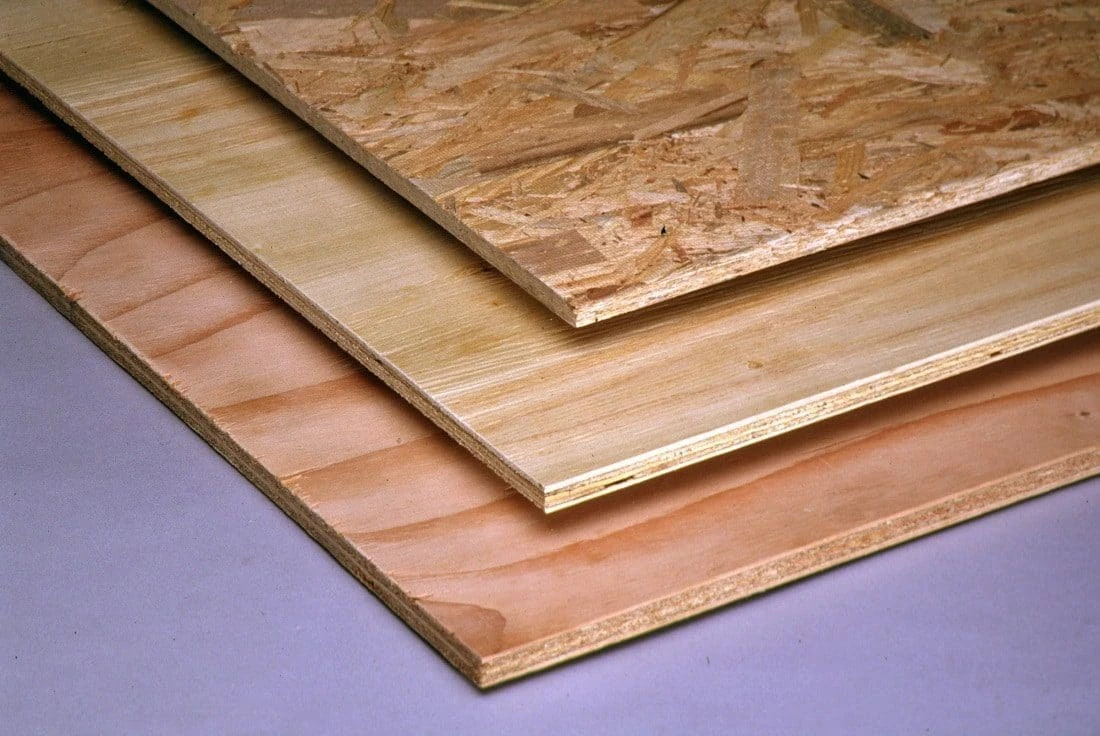
Plywood is manufactured by gluing together several thin layers of wood veneer. Each layer is placed with its grain running in the opposite direction of the one below it, creating a strong and stable panel. Plywood has been used in residential construction for decades and is known for its durability and strength.
Many contractors appreciate plywood because it is lightweight, holds roofing nails securely, and generally dries more quickly if it becomes wet during construction. Its layered construction also gives it excellent structural performance.
What Is OSB?
OSB, or Oriented Strand Board, is made from compressed wood strands that are bonded together using waterproof adhesives under heat and pressure. Modern OSB is engineered to provide excellent strength and consistency, making it one of the most commonly used roof decking materials in new home construction throughout the United States.
OSB is manufactured in large, uniform panels with very few natural defects such as knots or voids. This consistency provides a reliable surface for installing roofing materials.
Strength and Performance
Both plywood and OSB meet building code requirements when installed correctly. They provide excellent structural support for asphalt shingles, metal roofing, and many other roofing systems. When properly installed over correctly spaced rafters or trusses, either material creates a dependable roof deck capable of handling normal roof loads.
Moisture Resistance
One difference homeowners often ask about is moisture. Both products are manufactured for exterior roofing applications, but they can respond differently if exposed to water for extended periods. This is one reason professional roofing contractors work to keep the roof deck protected during installation and replace any damaged or deteriorated sections before installing new roofing materials.
Cost Considerations
OSB is generally more economical than plywood, which is one reason it is widely used in residential construction. Plywood typically costs more but has long been valued for its durability and traditional performance. The choice often depends on the home’s construction, project specifications, local building practices, and homeowner preferences.
Why Roof Deck Inspections Matter
During every complete roof replacement, the existing decking should be carefully inspected after the old shingles are removed. Contractors check for soft spots, water damage, rot, loose fasteners, and deteriorated panels. Any damaged sections should be replaced before installing underlayment and shingles, regardless of whether the roof uses plywood or OSB.
Building a Complete Roofing System
The roof deck is the foundation of the entire roofing system. Ice and water barriers, synthetic underlayment, flashing, ventilation, drip edge, and shingles all depend on a solid, properly installed deck. Whether your home has plywood or OSB, professional installation and regular maintenance are the keys to maximizing the lifespan of your roof.
A quality roof replacement isn’t just about what you see from the street—it’s about ensuring every layer beneath the shingles is built to protect your home for decades. A strong roof starts with a strong foundation, and both plywood and OSB can provide excellent performance when installed and maintained correctly.