


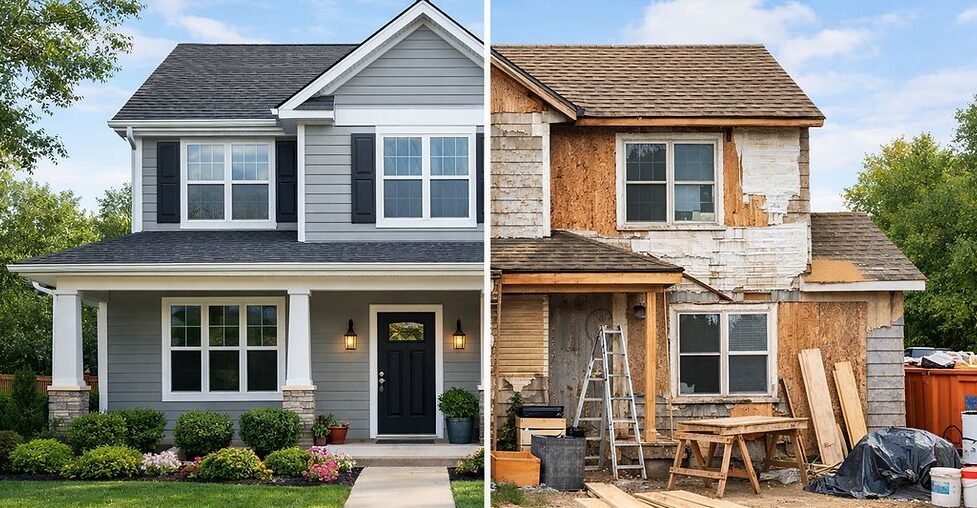
Introduction to Home Improvement Trends
Home improvement trends play a critical role in the evolution of living spaces. They reflect homeowners’ evolving preferences and the continuous advancements in design, technology, and sustainability. Understanding these trends is vital not only for enhancing the aesthetics and functionality of a home but also for increasing its overall market value. Homeowners who align their living environment with current trends often find themselves in a better position when it comes to potential sales.
Trends in home improvement are not static; rather, they evolve with the changing seasons and consumer needs. For example, what was popular in one year may become obsolete in the next as new ideas and technologies emerge. Consequently, homeowners are encouraged to stay informed about these shifts to maintain the appeal of their properties. Keeping spaces updated is not merely about aesthetics; it can significantly enhance the comfort and energy efficiency of a home, reflecting a thoughtful approach to modern living.
This article will delve into some of the top home improvement trends that are shaping the landscape this year. Among them, we will explore the move towards sustainable materials, the integration of smart home technology, and the design emphasis on multi-functional spaces. These trends not only offer practical benefits but also embody a growing desire for homes that are both stylish and environmentally responsible. By understanding these trends, homeowners can make informed decisions that align with their lifestyle and investment goals.
Sustainable and Eco-Friendly Innovations
In recent years, the home improvement sector has witnessed a significant shift towards sustainable and eco-friendly innovations. As homeowners become increasingly aware of their environmental impacts, the demand for eco-conscious renovations has surged. This trend is not just about aesthetic appeal; it encompasses a wide range of practices aimed at enhancing energy efficiency and minimizing waste.
One of the most popular choices among homeowners is the adoption of energy-efficient appliances. These appliances, ranging from refrigerators to washing machines, consume less energy and can drastically reduce utility bills over time. By utilizing technology designed to optimize energy use, homeowners can enjoy modern conveniences without compromising their commitment to sustainability. Furthermore, many of these appliances come with rebates and incentives, further enhancing their economic viability.
In addition to appliances, the use of sustainable materials is gaining traction in home renovation projects. Materials such as reclaimed wood, bamboo, and recycled metals not only contribute to reduced carbon footprints but also often provide unique aesthetic qualities to homes. The rise of eco-friendly options in flooring, insulation, and finishes signifies a broader commitment to reducing reliance on non-renewable resources.
Moreover, green building practices are becoming standard in the construction industry. Techniques such as passive solar design, green roofs, and the use of natural ventilation systems significantly lower energy consumption and enhance indoor air quality. These methods prioritize environmental stewardship while promoting healthier living environments.
The combination of energy-efficient appliances and sustainable materials not only contributes to environmental sustainability but also offers tangible cost savings for homeowners. As these innovations continue to gain popularity, the cumulative impact on both personal finances and the planet is undeniably positive.
Smart Home Technology Integrations
The integration of smart home technology has rapidly transformed the landscape of home improvement, providing homeowners with enhanced convenience, security, and energy management. As technology continues to advance, a growing array of smart devices has emerged, each designed to improve the functionality and efficiency of modern dwellings.
A popular addition to homes today is the smart thermostat, an innovative device that allows users to manage their home’s temperature remotely via smartphone applications. These thermostats can learn user preferences over time, automatically adjusting heating and cooling settings to optimize energy usage. By utilizing features such as geofencing, smart thermostats can further enhance energy savings by adjusting the temperature when residents are away, thereby reducing overall energy costs.
Equally important in smart home technology is the integration of advanced security systems. These systems often include smart cameras, doorbell cameras, and motion sensors, which connect remotely via the internet. Homeowners can monitor their properties in real-time, receive alerts on their smartphones, and even communicate with visitors at the door, all contributing to a heightened level of security. Moreover, with the ability to integrate with other smart devices and platforms, such systems can offer a comprehensive security solution that meets individual user needs.
Automated lighting is another noteworthy smart technology trend. With smart bulbs and lighting systems, homeowners can adjust the ambiance of their living spaces with ease, whether through voice commands or smartphone applications. This innovation not only enhances convenience but also allows for energy conservation by enabling users to schedule when lights are on or off, or dim them according to personal preference.
As these smart devices continue to evolve, they increasingly become integral components of home improvement projects, forming a cohesive network that enhances the livability of homes. Homeowners now have the opportunity to leverage these technologies to create environments that are not only efficient but also tailored to their unique lifestyles.
Open Floor Plans and Space Optimization
The trend of open floor plans continues to gain momentum in home design, reflecting a shift towards more communal and versatile living spaces. Open layouts facilitate better social interaction, allowing families and guests to engage seamlessly across different zones within the home. By eliminating walls that traditionally delineate kitchens, dining areas, and living spaces, homeowners are embracing a more fluid and dynamic environment where activities can flow naturally from one area to another.
Besides enhancing social connectivity, the open floor plan approach is particularly advantageous for space optimization. In urban settings or smaller homes, maximizing available space is crucial. Innovative storage solutions have emerged to address the challenges posed by limited square footage. For instance, builders and designers have focused on incorporating built-in shelving, under-stair storage, and multi-purpose furniture into their designs. This allows homeowners to keep their living areas decluttered while still having easy access to essential items.
Furthermore, multifunctional furniture serves as a key element in space optimization. Pieces such as sofa beds, extendable dining tables, and ottomans with internal storage can fulfill multiple roles. This flexibility enables homeowners to adapt their spaces for various purposes without sacrificing comfort or style. As a result, the open floor plan trend not only promotes a casual atmosphere conducive to interaction but also encourages innovative approaches to storing and utilizing space effectively.
In conclusion, the merging of open floor plans with creative space optimization techniques not only enhances the functionality of homes but also aligns with modern living preferences. As this trend continues to evolve, it offers countless possibilities for homeowners looking to transform their living experience.
Outdoor Living Spaces and Landscaping
In recent years, there has been a significant shift towards enhancing outdoor living spaces, reflecting a growing desire among homeowners to create functional and inviting areas beyond the confines of their homes. This trend emphasizes the importance of outdoor environments as extensions of our living spaces, providing opportunities for relaxation and entertainment.
Patios and decks are at the forefront of this movement, serving as focal points for outdoor gatherings. Homeowners are increasingly opting for multi-functional designs that integrate comfortable seating, dining spots, and even outdoor entertainment systems. When designing these spaces, considerations such as layout, materials, and lighting are paramount. For instance, the use of composite decking and natural stone pavers offers durability while creating an aesthetically pleasing environment. Comfortable outdoor furniture paired with elegant lighting options can transform a simple deck into a sophisticated retreat.
Moreover, outdoor kitchens have emerged as a popular feature, allowing homeowners to explore culinary creations al fresco. Equipped with grills, sinks, and counter space, these kitchens facilitate seamless entertaining. Incorporating elements like fire pits further extends the usability of outdoor areas during cooler evenings, creating cozy atmospheres for family and friends to gather.
Landscaping plays an integral role in this trend, as vibrant gardens enhance the overall ambiance of outdoor spaces. The use of native plants and sustainable landscaping practices not only improves the visual appeal but also encourages biodiversity and reduces maintenance. Pathways, water features, and carefully selected foliage contribute to a sense of cohesion and tranquility.
In conclusion, the transformation of outdoor living spaces is indicative of a broader trend towards maximizing the use of exterior areas. By integrating thoughtfully designed patios, decks, kitchens, and landscapes, homeowners are creating inviting atmospheres that enhance their overall living experience.
Color and Design Trends in Home Interiors
In recent years, the landscape of home interiors has transformed significantly, reflecting shifts in societal values and preferences. One prominent trend is the shift toward more sustainable and natural elements in design. Homeowners are increasingly gravitating towards eco-friendly materials and finishes, which not only enhance aesthetic appeal but are also kind to the environment. This inclination towards sustainability is often paired with a preference for earthy color palettes that evoke a sense of tranquility and connection to nature.
Among the color schemes gaining traction, muted tones such as soft greens, warm neutrals, and gentle blues are at the forefront. These hues function as a backdrop for creating serene living spaces, making them ideal for relaxation. The blend of these colors with rich, dark accents has also become popular, injecting depth and sophistication into interior design. Homeowners are encouraged to explore combinations of colors that reflect their personal style while adhering to modern sensibilities.
The influence of cultural movements on design cannot be understated. With the rise of minimalism and Japanese-inspired aesthetics, many are opting for uncluttered layouts and simple, functional furniture that emphasizes quality over quantity. Additionally, the trend of incorporating handmade elements—such as artisanal decor—reflects a desire for authenticity and uniqueness within home spaces.
For those looking to incorporate these contemporary styles into their homes, it is advisable to start small. Experimenting with accent walls in trending colors or integrating textured fabrics can refresh a room’s appearance without overwhelming the overall decor. Reassessing the existing decor and swapping out outdated elements for modern alternatives can further enhance both the visual and functional aspects of the home.
Health and Wellness Features
As societal focus increasingly shifts towards well-being, the home improvement landscape sees an emerging trend emphasizing health and wellness within interior spaces. Homeowners are increasingly incorporating elements aimed at enhancing mental and physical health, making their living environments more conducive to a balanced lifestyle. One prominent aspect of this trend is the adoption of biophilic design principles, which prioritize natural elements within home decor.
Biophilic design involves integrating nature into the built environment by using natural materials, plant life, and ample daylight. Research indicates that exposure to nature can significantly reduce stress, enhance mood, and improve overall well-being. Homes equipped with large windows or skylights that allow for maximum natural light not only reduce the reliance on artificial lighting but also create a refreshing atmosphere that promotes relaxation and creativity.
In conjunction with biophilic design, many homeowners are allocating space for wellness-centered areas, such as personal gyms, yoga studios, or meditation rooms. These spaces are deliberately designed to cater to physical activity and restorative practices, encouraging occupants to prioritize their health. The incorporation of soundproofing and calming aesthetics in these areas can further enhance their effectiveness, allowing individuals to redirect their focus and achieve a sense of serenity.
Moreover, indoor air quality has gained importance in this trend. Homeowners are invested in air purification systems and humidity control methods to ensure a clean, healthy home environment. Adjustable lighting, including circadian-friendly options, is another feature that aligns with wellness objectives, helping to regulate the body’s natural rhythms and significantly affect sleep patterns.
As we embrace this movement towards health and wellness in home design, it becomes apparent that creating spaces with a focus on our physical and mental health is not merely a trend, but a necessary evolution in our living environments.
Energy Efficiency and Renewable Energy Solutions
In recent years, there has been an observable surge in home improvement projects focused on energy efficiency and renewable energy solutions. Homeowners are increasingly recognizing the benefits of investing in sustainable upgrades, not only to reduce their environmental impact but also to achieve long-term cost savings on energy bills. One of the most significant upgrades in this realm is the installation of solar panels. Solar energy harnesses the sun’s power, providing an excellent way to generate electricity and reduce reliance on traditional energy sources. With various incentives and tax credits available, many homeowners find that the initial investment in solar technology can often lead to substantial savings over time.
Additionally, the insulation and windows of a home play a crucial role in enhancing energy efficiency. Proper insulation helps maintain indoor temperatures, reducing the need for heating and cooling systems to work excessively. Upgrading to energy-efficient windows can further complement these efforts, as they help to minimize heat loss in the winter and reduce heat gain in the summer. The combination of well-insulated homes and energy-efficient windows significantly contributes to lower energy consumption, making homes not only more comfortable but also more environmentally friendly.
Numerous financial incentives and rebates are available for those pursuing these upgrades. Many governments offer programs aimed at promoting energy-efficient home improvements, which may include cash rebates, tax credits, or low-interest loans. By taking advantage of these financial incentives, homeowners can offset the costs associated with installing solar panels, improving insulation, or replacing outdated windows. As awareness of climate change and energy conservation grows, the trend towards energy efficiency and renewable energy solutions will likely continue to gain momentum, solidifying its position as a cornerstone of modern home improvement.
Conclusion and Future Outlook
As we have explored, the top home improvement trends this year encompass a diverse array of innovations designed to elevate the functionality and aesthetic appeal of living spaces. From the emergence of eco-friendly materials that emphasize sustainability to the integration of smart home technology that enhances convenience, these trends indicate a significant shift towards more versatile, efficient, and health-conscious environments. Additionally, open floor plans and multi-purpose spaces reflect changing lifestyles, where adaptability has become paramount.
It is essential for homeowners to adopt these trends not just for the sake of aesthetics but also to increase the value and functionality of their homes. Embracing elements such as energy-efficient appliances, natural light optimization, and space-efficient designs can lead to substantial long-term benefits. Investing in these improvements often results in lower utility costs and enhanced comfort, making them both practical and appealing choices for homeowners.
Looking to the future, we can anticipate that home improvement trends will continue to evolve alongside advancements in technology and design philosophies. As more people become aware of their living environments’ impact on their well-being, trends that prioritize wellness and environmental consciousness are likely to grow in prominence. Staying informed about emerging trends and innovations will be critical for homeowners who wish to maintain not only the aesthetic appeal of their homes but also their practicality and relevance in an ever-changing landscape.
In conclusion, the relevance of these trends underscores the importance of thoughtful home improvement initiatives. By considering how innovation and contemporary design can address daily living needs, homeowners can significantly enhance their spaces, ensuring they reflect both personal style and functional necessity for years to come.