


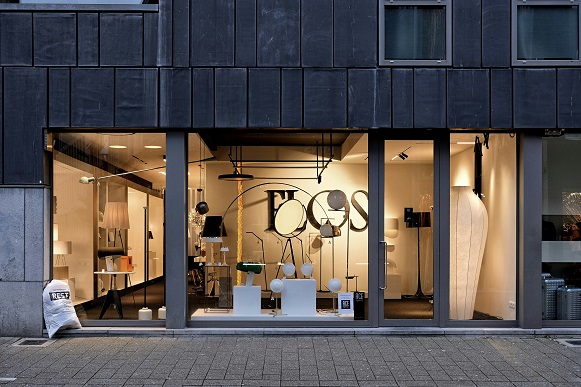
Introduction to Smart Lighting
Smart lighting is a revolutionary advancement in home lighting technology, transforming the way individuals manage illumination in their living spaces. Unlike traditional lighting solutions, which rely on manual switches and fixed settings, smart lighting allows users to control their environment through wireless technology and automation. This innovative system integrates various components, including smart bulbs, smart switches, and an array of connectivity options such as Wi-Fi and Bluetooth, enabling seamless interaction. At the core of smart lighting systems are smart bulbs, which are designed to operate through a network connection. These bulbs contain built-in technology that permits users to change brightness levels, colors, and schedules through smartphones, tablets, or voice-activated devices. The ability to adapt lighting conditions to suit different moods or activities enhances the overall living experience, making spaces more functional and enjoyable.
Smart switches also play a crucial role in smart lighting setups. Unlike conventional switches, these devices enable not only on/off functionality but also advanced features like setting timers and creating lighting scenes. By integrating smart switches into a residential lighting system, homeowners can achieve increased energy efficiency and greater convenience.
Connectivity is another essential aspect of smart lighting, as it enables remote control and integration with other smart home systems. Wi-Fi and Bluetooth are the most common technologies employed to facilitate these connections. Wi-Fi-enabled bulbs can be controlled from anywhere in the home, while Bluetooth options typically provide a localized range, although they are ideal for smaller setups.
In summary, smart lighting represents a significant upgrade from traditional lighting systems, offering flexibility, energy efficiency, and enhanced control. With components such as smart bulbs and switches, along with various connectivity options, these systems are tailored to meet the dynamic needs of modern homes.
Benefits of Smart Lighting
Smart lighting solutions have become increasingly popular in modern homes due to their numerous advantages. One of the most significant benefits of smart lighting is energy efficiency. Intelligent lighting systems are designed to use less electricity compared to traditional incandescent bulbs. They often utilize LED technology, which consumes significantly lower power while providing the same level of brightness. Furthermore, many smart lighting products come equipped with sensors that adjust the intensity of light based on natural light levels, leading to reduced energy consumption.
Another compelling advantage is the potential for cost savings. Although the initial investment for smart lighting systems may be higher, the long-term savings outweigh these costs. By lowering energy usage, homeowners can expect decreased utility bills over time. Additionally, many smart lighting systems are compatible with various home automation platforms, allowing users to monitor and control their energy usage effectively.
Enhanced convenience is another critical benefit of smart lighting. Users can control their lights remotely through smartphone applications or voice-command systems, providing the ability to turn lights on or off from anywhere. This feature is particularly beneficial for households with busy schedules or for those who wish to come home to a well-lit environment. Moreover, many smart lighting solutions allow users to set schedules or automate lighting based on their daily routines.
Smart lighting solutions also enhance security. Motion sensors can activate lights if movement is detected, deterring potential intruders and providing peace of mind. Additionally, users can program lights to turn on and off at specific times, simulating occupancy when they are away from home. This feature is especially useful during vacations to maintain the appearance of being home.
Lastly, the ability to customize lighting settings enhances mood and ambiance. Smart lighting systems enable users to choose from a wide spectrum of colors and brightness levels, allowing for tailored experiences in various settings, be it a cozy movie night or a lively gathering. Therefore, implementing smart lighting solutions in modern homes not only adds functionality but also significantly improves the overall quality of living.
Types of Smart Lighting Solutions
Smart lighting solutions have revolutionized how we interact with light in our homes. These systems not only enhance ambiance but also add to the energy efficiency and convenience of modern living. Below, we categorize the various types of smart lighting options available on the market.
Smart Bulbs are perhaps the most popular form of smart lighting solutions. These energy-efficient bulbs can be controlled remotely via smartphone apps or voice commands. Users can easily customize the brightness and color of smart bulbs, allowing for dynamic changes depending on mood or time of day. They are also compatible with various smart home ecosystems, making them a versatile choice for any household.
Smart LED Strips offer another innovative option for homeowners looking to enhance their environments. These flexible light strips can be easily installed under furniture, around windows, or along walls, providing a modern aesthetic. Smart LED strips typically come with the ability to change colors and adjust brightness, often synchronized with music or other devices, making them popular for entertainment purposes.
Smart Fixtures, such as lamps and ceiling lights, integrate smart technology directly into the design. These solutions often come equipped with advanced features, including motion sensors and programmable settings, allowing for hands-free control and energy savings. Smart fixtures can enrich any space through tailored lighting scenarios, enhancing both functionality and style.
Smart Outdoor Lighting is essential for improving home security while also enhancing curb appeal. These systems typically include motion-activated lights, smart pathways, and landscape lighting options. Homeowners can remotely control outdoor lighting, set schedules, and even receive alerts if unusual activity is detected, promoting safety and peace of mind.
Important Features to Consider
When selecting smart lighting solutions for modern homes, it is paramount to consider several important features that can enhance convenience, efficiency, and overall user satisfaction. First and foremost is compatibility with existing smart home systems. As homes increasingly integrate technology, ease of connectivity with platforms such as Amazon Alexa, Google Assistant, or Apple HomeKit is crucial for seamless operation. This compatibility allows users to control their lighting through a central hub or voice commands, simplifying daily tasks significantly.
Another feature to examine is color-changing capabilities. The ability to alter the color of a light can transform the ambiance of a room and cater to different moods or activities, such as relaxation, productivity, or entertainment. Many smart bulbs offer a wide spectrum of colors and shades, enabling users to create personalized environments easily.
Schedule programming is also an essential function to look for. This capability allows users to automate their lighting based on specific times or events. For instance, lights can be set to turn on at dusk or switch off automatically during the night, enhancing energy efficiency and offering added security when leaving home. Such programmable features are particularly beneficial for maintaining a routine without requiring manual adjustments.
Remote control options add another layer of convenience, enabling users to manage their smart lighting even while away from home. Through mobile applications, individuals can adjust lighting settings, ensuring that they can respond to unexpected situations or simply enhance their home’s appearance from anywhere.
Lastly, integration with voice assistants should not be overlooked. Features that allow users to control lighting through voice commands not only enhance accessibility but also contribute to a hands-free experience that aligns with the increasing trend of smart home automation.
How to Set Up Smart Lighting
Setting up a smart lighting system in your home can transform your living environment, making it more energy-efficient and convenient. Below is a step-by-step guide to help you establish a smart lighting setup effectively.
First, start by assessing your needs and preferences. Determine which areas of your home you would like to automate with smart lighting. Consider how often each space is used and the kind of ambiance you wish to create. Next, select the right smart lighting products. Look for bulbs that are compatible with your existing fixtures and consider brands that align with your specific ecosystem, such as Google Home, Amazon Alexa, or Apple HomeKit. It is essential to check the connectivity options—Wi-Fi, Zigbee, or Z-Wave—to ensure they will work seamlessly.
Once you have selected your smart bulbs or lighting fixtures, the installation process can begin. Generally, the installation of smart bulbs is straightforward. Simply replace your traditional bulbs with smart ones, ensuring that the power is turned off during the replacement for safety. If you are opting for smart switches or fixtures, you may require additional tools such as screwdrivers and wire strippers. In this case, follow the manufacturer’s installation instructions closely for optimal results.
After the physical installation, the next step is connecting your smart lights to the appropriate app. Download the corresponding app for your smart lighting products and create an account if necessary. Follow the in-app instructions to connect your lights through Wi-Fi or a compatible hub. Once connected, you can personalize your settings, including scheduling, dimming, and grouping lights for various rooms or activities.
Through methodical planning and execution, setting up your smart lighting can significantly enhance the convenience of managing your home’s environment.
Popular Smart Lighting Brands and Products
The smart lighting market has seen significant growth, with several brands emerging as frontrunners due to their innovative technology and user-friendly design. Among these, Philips Hue, LIFX, and Wyze stand out as particularly popular choices for consumers looking to enhance their home illumination.
Philips Hue is perhaps the most recognized name in smart lighting. This brand offers an extensive range of products that include smart bulbs, light strips, and fixtures compatible with various smart home ecosystems. Their flagship products, such as the Philips Hue White and Color Ambiance bulbs, allow users to customize brightness levels and colors directly from their smartphone or compatible devices. Prices for Philips Hue products tend to start at around $15 for individual bulbs, with bundles costing significantly more depending on the number of units and features.
LIFX is another key player in the smart lighting arena, known for its vibrant colors and high-quality LED lighting. Unlike Philips Hue, LIFX lights do not require a hub or bridge, making them an appealing option for users seeking simplicity. The LIFX A19 and LIFX Z LED light strips are widely praised for their brightness and color saturation. Prices for LIFX bulbs typically range from $20 to $70, catering to various budgets while maintaining a focus on performance.
Wyze, a brand that has gained traction for its budget-friendly smart home products, offers reliable smart lighting solutions without overwhelming customers with prices. The Wyze Bulbs feature adjustable white temperatures and can be controlled via the Wyze app or voice assistants. These bulbs start at approximately $7 per unit, making them an attractive choice for those entering the world of smart lighting.
Overall, these brands provide a range of options, ensuring that consumers can find smart lighting solutions that fit their needs and budgets.
Integrating Smart Lighting with Other Smart Home Systems
The evolution of smart homes has transformed how homeowners manage their living spaces. Among the various innovations, smart lighting stands out as a crucial component that greatly enhances comfort and security when integrated with other smart home systems. By combining smart lighting with devices such as smart thermostats, security cameras, and home assistants, users can experience a seamless integration that aligns with their lifestyle needs.
One of the most significant benefits of this integration is the creation of automated routines that increase convenience. For instance, homeowners can program their smart lights to adjust based on the time of day or occupancy detected by smart sensors. When the smart thermostat recognizes that no one is home, the smart lighting can automatically turn off, thereby reducing energy consumption and ensuring efficiency.
Moreover, security is significantly enhanced through the integration of smart lighting and cameras. When motion is detected by a security camera, the smart lights can be programmed to illuminate the area, deterring potential intruders and providing clear visibility. Additionally, during evenings, the lighting can simulate occupancy by turning on and off at different intervals, which may discourage break-ins.
The synergy achieved with home assistants enhances functionality as well. Homeowners can control their lighting through voice commands, making everyday activities, such as entering a dark room, safer and more intuitive. For example, a simple voice command to a home assistant like Amazon Alexa or Google Assistant can illuminate the entryway when one arrives home in the evening, ensuring a safer environment.
In conclusion, integrating smart lighting with other smart home systems not only elevates the convenience of daily tasks but also significantly boosts security and energy efficiency, ultimately leading to a more comfortable living experience.
Future Trends in Smart Lighting Technology
As smart home technologies continue to evolve, the future of smart lighting solutions shows immense promise, driven by significant advancements in automation, energy management, and compatibility with broader smart home ecosystems. Central to these developments is the growing integration of Internet of Things (IoT) capabilities, allowing lighting systems to communicate seamlessly with other smart devices. This connectivity is essential for creating a cohesive and intuitive living environment, enabling homeowners to control their lighting through central applications on smartphones or tablets.
One of the most notable trends is the rise of human-centric lighting, also referred to as circadian lighting. This innovative approach aims to enhance well-being by mimicking natural light patterns throughout the day. Various smart lighting systems now offer customizable hues and intensities that change based on the time of day, promoting better sleep and increased productivity. The integration of such features not only enhances comfort but also increases energy efficiency, as lights can automatically adjust to optimize energy consumption.
Another key area of focus is the incorporation of artificial intelligence (AI) in lighting management. AI-driven systems can analyze user behaviors and preferences, predicting the optimal lighting scenarios for different occasions. These systems can learn from routine patterns, enabling automated adjustments that improve convenience and energy savings. Furthermore, AI technology can facilitate predictive maintenance, alerting homeowners to potential issues before they require significant repairs.
Additionally, sustainability remains a paramount consideration in the evolution of smart lighting. Manufacturers are increasingly incorporating energy-efficient technologies, such as LED and smart sensors, to reduce environmental impacts. As smart lighting continues to advance, it will likely become more integrated with renewable energy solutions, enabling homes to optimize power use while supporting a broader commitment to sustainability.
Conclusion: The Future of Home Lighting
As we navigate through advancements in technology, the significance of smart lighting solutions in modern homes becomes increasingly apparent. The integration of intelligent lighting systems offers numerous benefits, enhancing not only the efficiency of energy consumption but also the overall ambiance and comfort of living spaces. Homeowners are now able to tailor their environments to suit their moods and activities, paving the way for a more personalized experience.
Moreover, smart lighting has evolved from mere convenience to a necessity in contemporary homes. Features such as remote control, automation, and compatibility with smart home devices facilitate a seamless integration into everyday life. These systems can adapt lighting based on time of day, occupancy, or even mood, significantly improving energy management and reducing wastage. Consequently, the shift towards smart lighting solutions presents homeowners with the opportunity to contribute to sustainability efforts while enjoying the modern conveniences they offer.
Throughout this blog, we have highlighted the remarkable advantages of embracing smart lighting technology, including improved ambiance, enhanced security, and energy efficiency. It is clear that investing in these technologies not only elevates the aesthetic appeal of homes but also aligns with a forward-thinking approach to living. As market options continue to expand and advance, it is essential for homeowners to stay informed about the latest developments and consider upgrading their traditional lighting solutions.
In conclusion, the future of home lighting is undeniably smart. By making informed decisions and adopting advanced lighting solutions, homeowners can transform their living experiences, ensuring they remain both stylish and efficient. Thus, it is highly recommended to evaluate current lighting setups and explore the vast array of smart lighting options available today.