

Understanding Indoor Air Quality
Indoor air quality (IAQ) refers to the condition of the air within buildings, specifically as it relates to the health and comfort of occupants. It is a critical aspect of environmental health since we spend a significant portion of our lives indoors. The quality of air we breathe can significantly influence our physical and mental well-being. Common indoor pollutants include particulate matter, volatile organic compounds (VOCs), carbon monoxide, mold, and allergens such as dust mites and pet dander. These pollutants can emanate from various sources within the home, such as cleaning agents, building materials, paints, and furnishings. Poor ventilation often exacerbates the problem, leading to higher concentrations of these harmful substances in indoor environments.
The impact of subpar indoor air quality on health can range from mild irritations to serious health conditions. Symptoms such as headaches, fatigue, eye irritation, and respiratory issues are frequently associated with exposure to polluted indoor air. Long-term exposure may contribute to the development of chronic lung diseases, cardiovascular problems, and even mental health disorders like anxiety and depression.
Moreover, vulnerable populations, including children, the elderly, and individuals with pre-existing health conditions, are particularly at risk. The significance of maintaining good IAQ cannot be understated, as it plays a fundamental role in enhancing overall health and productivity. Addressing indoor air quality issues can lead to improved sleep patterns, better concentration, and a lower incidence of respiratory ailments.
While there are many causes of indoor air pollution, understanding and addressing these factors is essential for creating a safe and healthy living environment. By recognizing the sources of indoor pollutants and the serious implications they can have on our health, we can take proactive measures to improve our indoor air quality.
Identifying Common Indoor Pollutants
Indoor air quality is significantly impacted by various pollutants commonly found within residential and commercial spaces. Understanding these specific pollutants is essential for taking proactive measures to improve air quality and safeguard health.
One of the most prevalent indoor pollutants is mold. Mold thrives in damp areas, such as bathrooms and kitchens, and can release spores that contribute to respiratory issues, including asthma and allergies. Regular cleaning and moisture control can help mitigate mold growth.
Another common pollutant is dust mites, microscopic organisms that inhabit bedding, upholstered furniture, and carpets. These creatures are a leading cause of allergic reactions and are best controlled by frequent vacuuming and the use of allergen-proof covers on mattresses.
Pet dander is also a significant contributor to indoor air pollution, particularly in households with furry pets. The tiny particles shed by pets can trigger allergic responses and exacerbate asthma symptoms. Maintaining a clean living environment and using air purifiers can help reduce the presence of pet dander.
Exposure to asbestos, once common in building materials, poses serious health risks, including lung cancer and mesothelioma. If disturbed, asbestos fibers can become airborne and inhaled. Careful renovation and maintenance strategies are necessary to manage asbestos’ presence in older buildings.
Volatile Organic Compounds (VOCs) are organic chemicals released from various products, including paints, cleaning agents, and pesticides. Continuous exposure to high levels of VOCs may lead to headaches, nausea, and long-term health complications. Opting for low-VOC products can significantly improve indoor air quality.
Lastly, carbon monoxide is a colorless, odorless gas produced by incomplete combustion of fuels. High concentrations can lead to severe health issues, including headaches, dizziness, and even death. Regular maintenance of heating systems and carbon monoxide detectors is essential for safety.
Ventilation: The First Step
Proper ventilation plays a critical role in maintaining good indoor air quality. It helps reduce the accumulation of airborne contaminants, moisture, and odors, creating a healthier living environment. Stagnant air can contribute to various health issues, including allergies and respiratory difficulties. To ensure effective ventilation, homeowners can employ a mix of natural and mechanical systems.
Natural ventilation can be maximized by thoughtfully using windows and doors. Opening these fixtures during favorable weather conditions allows fresh air to circulate while enabling stale air to exit. Utilizing cross-ventilation by opening windows on opposite sides of a room can enhance airflow, effectively reducing indoor pollutants. When designing or renovating a home, it is crucial to consider the placement and size of windows to optimize natural ventilation. Additionally, incorporating vents or air bricks can further facilitate air movement without compromising security or aesthetic appeal.
On the other hand, mechanical ventilation systems can be an important complement to natural methods, particularly in regions with limited outdoor air quality. Exhaust fans installed in kitchens and bathrooms are essential for removing moisture and odors, thus preventing mold growth and possible damage to building materials. Moreover, whole-house ventilation systems, such as heat recovery ventilators (HRVs) or energy recovery ventilators (ERVs), can efficiently exchange indoor air with fresh outdoor air while conserving energy. These systems filter incoming air, further enhancing indoor air quality.
Ultimately, the combination of both natural and mechanical ventilation strategies provides a comprehensive approach to improving indoor air quality. Homeowners should evaluate their specific needs to create a balanced ventilation system that works effectively across various seasons.
Houseplants: Natural Air Filters
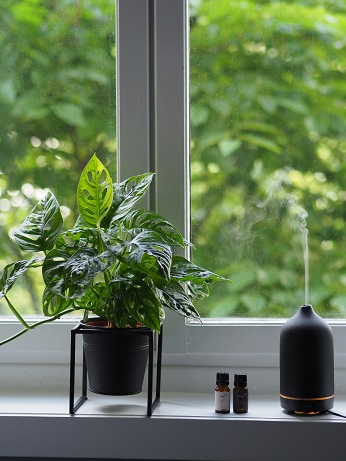
Houseplants serve not just as decorative elements in our homes, but they also play a significant role in improving indoor air quality. Through a process known as phyto-remediation, certain plants are able to absorb harmful pollutants and toxins from the air, effectively acting as natural air filters. Common indoor pollutants such as benzene, formaldehyde, and trichloroethylene can accumulate over time and negatively impact our overall health. Integrating specific houseplants into your living environment can provide a simple, yet effective means of enhancing air quality.
Research indicates that specific plants possess superior air-purifying abilities. For instance, the Peace Lily is well-renowned for its capability to filter several toxins while also thriving in low light conditions. The Spider Plant is another excellent choice, known for its ability to remove pollutants like formaldehyde and xylene. Additionally, the Boston Fern excels at absorbing formaldehyde, making it a valuable addition for improving air quality.
To maximize the air-purifying effectiveness of these houseplants, it is important to provide them with proper care. Ensure they are placed in suitable light conditions as per their specific needs; some prefer bright, indirect sunlight while others thrive in shadier areas. Regular watering, while being cautious to avoid overwatering, is crucial for maintaining plant health. Moreover, periodic dusting of leaves can enhance their ability to photosynthesize effectively, allowing them to trap more pollutants.
Incorporating these plants into your home can provide dual benefits: enhancing aesthetic appeal while simultaneously improving indoor air quality. By choosing the right varieties and caring for them adequately, individuals can enjoy cleaner air and a healthier living environment.
Regular Cleaning: A Key Factor
Maintaining good indoor air quality is a critical aspect of creating a healthy living environment. One of the most effective methods to achieve this is through regular cleaning. Dust, allergens, and various pollutants can accumulate in our homes over time, leading to compromised air quality and potential health issues. Therefore, adopting a structured cleaning routine can significantly enhance the cleanliness and overall atmosphere of indoor spaces.
To begin with, vacuuming plays a paramount role in controlling dust accumulation. It is advisable to use a vacuum cleaner equipped with a HEPA filter, which effectively captures fine particles that might otherwise remain airborne. Regular vacuuming of floors, carpets, and upholstered furniture can hinder the buildup of dust mites and pet dander, which are common allergens found in homes.
Additionally, dusting is essential. It is important to wipe down surfaces regularly using a damp cloth or microfiber materials to prevent dust from becoming airborne. Special attention should be given to hard-to-reach areas, such as ceiling fans, light fixtures, and the tops of cabinets where dust tends to gather unnoticed. Incorporating this practice into your cleaning routine can significantly reduce allergen levels in the home.
The cleaning of textiles and fabrics should not be overlooked, as well. Curtains, bed linens, and cushions should be washed frequently to eliminate dust and allergens that may embed themselves in these materials. It is recommended to wash these items in hot water to further reduce particulate matter and maintain a more hygienic living space.
Lastly, maintaining adequate airflow in the home can facilitate better indoor air quality. Keeping windows open when possible and ensuring that air filters in HVAC systems are replaced regularly can contribute to a healthier environment. Overall, the commitment to regular cleaning practices not only enhances the aesthetics of your home but is essential in creating a safer and healthier indoor atmosphere.
Using Air Purifiers Effectively
Air purifiers are essential devices for enhancing indoor air quality, functioning to remove pollutants such as dust, pollen, pet dander, mold spores, and volatile organic compounds (VOCs). By employing various filtration systems, including HEPA filters, activated carbon, and UV lights, these machines can significantly reduce harmful particulates, thereby contributing to a healthier indoor atmosphere.
When selecting an air purifier, various features should be considered. The most critical factor is the Clean Air Delivery Rate (CADR), which indicates the volume of filtered air delivered by the unit. A higher CADR rating signifies better performance in removing specific pollutants. Additionally, ensure that the purifier has a True HEPA filter, which is capable of trapping at least 99.97% of particles that are 0.3 microns in size. Some models also include smart features, such as air quality sensors and remote control options, enhancing their usability.
Placement of the air purifier within a room is equally significant for optimal performance. Ideally, the device should be positioned in a location that allows for unobstructed airflow; this typically means placing it in a central area away from walls or furniture. It is recommended to keep the air purifier running continuously, particularly during times of high pollution, such as allergy seasons. This ensures that the air remains consistently clean. Furthermore, consider the room size and the purifier’s coverage area to ensure it effectively addresses the intended space.
By selecting the right air purifier and positioning it effectively, homeowners can effectively improve their indoor air quality, promoting a healthier living environment for all occupants. Investing in quality air purification not only enhances comfort but can also lead to long-term health benefits, particularly for individuals with allergies or respiratory sensitivities.
Controlling Humidity Levels
Maintaining proper humidity levels is essential for improving indoor air quality. Humidity refers to the amount of moisture present in the air. When humidity levels are too high or too low, they can significantly affect air quality, leading to potential health issues and discomfort. Ideally, indoor humidity levels should be maintained between 30% to 50%. Maintaining this balance helps mitigate the growth of harmful allergens such as mold, dust mites, and bacteria.
High humidity levels can lead to the condensation of moisture on surfaces, which promotes mold growth and can contribute to respiratory problems. Moreover, excessive moisture in the air can create an environment conducive to dust mites, further complicating indoor air quality. On the other hand, excessively low humidity can cause dry skin, irritated respiratory tracts, and an increase in static electricity, leading to discomfort in living spaces.
To effectively control indoor humidity levels, utilizing a dehumidifier is highly recommended, particularly in areas prone to moisture, like basements and bathrooms. Dehumidifiers work by removing excess moisture from the air, thereby maintaining optimal humidity levels. Additionally, proper ventilation is crucial; ensuring that areas of the home, such as kitchens and bathrooms, are adequately ventilated can help dissipate excess moisture generated during cooking and bathing.
Other strategies to control humidity include using exhaust fans, repairing leaks, and insulating walls and ducts to prevent condensation. Houseplants can also play a role; while some plants release moisture into the air, others can help absorb excess humidity. Therefore, being mindful of humidity levels and implementing effective strategies to manage them not only enhances indoor air quality but also contributes to a more comfortable living environment.
Avoiding Indoor Pollution Sources
Indoor air quality can be significantly compromised by various pollution sources commonly found in our living or working spaces. One of the most detrimental practices is smoking indoors, which not only produces harmful chemicals but also clings to surfaces, diminishing air quality long after the smoke has dissipated. To improve indoor air quality, it is advisable to establish a no-smoking policy within enclosed spaces. This simple measure can lead to drastic improvements in the overall air quality and health of individuals residing in those environments.
Another major contributor to indoor pollution is the use of harsh cleaning products. Many conventional cleaning agents release volatile organic compounds (VOCs) that can affect respiratory health and contribute to poor indoor air quality. As an alternative, consider switching to eco-friendly cleaning products that are free from harsh chemicals. Many brands now offer non-toxic and biodegradable options, which are equally effective while being gentler on both the environment and the occupants of the space.
Furthermore, the improper storage of chemicals can lead to air quality degradation. Household products, such as paints, solvents, and pesticides, often release harmful fumes. It is crucial to store these types of chemicals in properly sealed containers and, ideally, in a well-ventilated area away from living spaces. Whenever possible, consider using natural alternatives for pest control and maintenance tasks that reduce reliance on synthetic chemicals.
By consciously avoiding these common sources of indoor pollution, you can create a healthier environment. Implementing these strategies not only benefits your wellbeing but also promotes sustainable practices that contribute to improved air quality.
Creating a Healthy Indoor Environment
Establishing a healthy indoor environment is crucial for enhancing the overall air quality within your home. This involves implementing a series of actionable strategies designed to reduce harmful pollutants and promote cleaner air circulation. By focusing on these key areas, you can significantly improve your indoor air quality over time.
First and foremost, regular cleaning is essential. Dust, pet dander, and other allergens can accumulate quickly, so it is advisable to vacuum and dust surfaces frequently using a HEPA-filtered vacuum cleaner. Additionally, incorporating air purifiers with HEPA filters in high-traffic areas can help trap airborne particles, thus making your indoor spaces healthier.
Another significant contributor to air quality is ventilation. Ensuring that your home receives proper ventilation allows fresh outdoor air to mix with indoor air, effectively diluting pollutants. Opening windows on pleasant days or using exhaust fans in kitchens and bathrooms can facilitate this exchange. For those living in areas with high outdoor air pollution, utilizing mechanical ventilation systems can offer a controlled method of air replacement.
In addition to cleanliness and ventilation, monitoring humidity levels plays a crucial role in air quality management. Maintaining humidity levels between 30 and 50 percent can help prevent mold growth and reduce the survival rate of dust mites. Dehumidifiers or humidifiers can be employed depending on your regional climate to maintain these levels.
Lastly, be mindful of the products used in your home. Opting for low-VOC (volatile organic compounds) paints, cleaners, and household items significantly reduces harmful chemicals in your living space. Choosing natural alternatives can further enhance your indoor environment.
By incorporating these strategies into your daily routine, you can cultivate a living environment that continuously promotes better indoor air quality, benefiting both your health and well-being.