


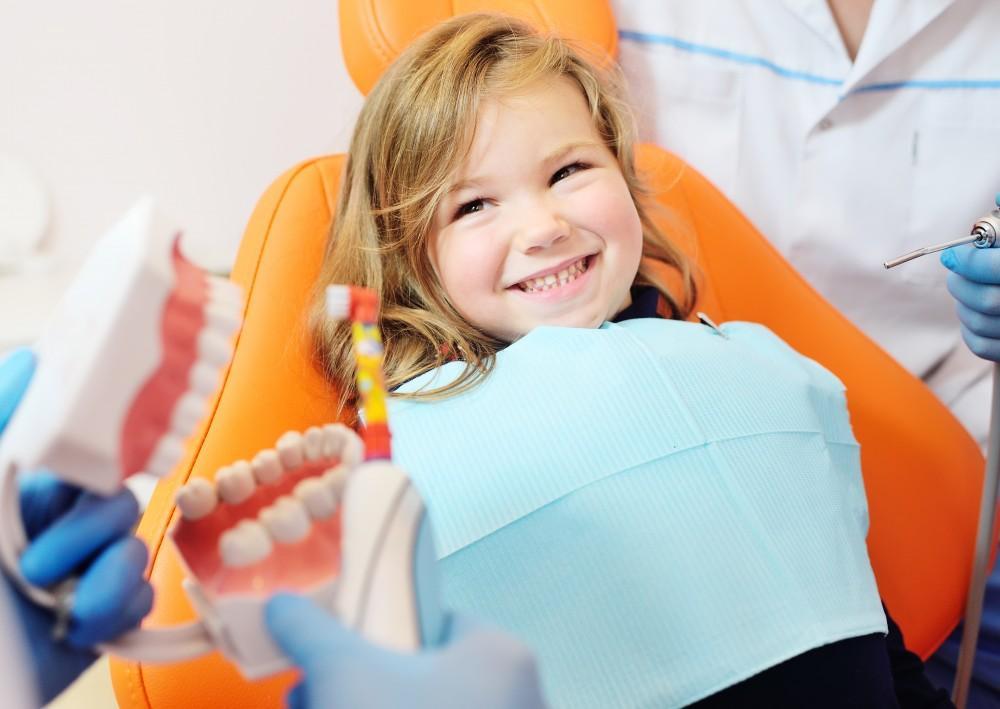
You brush your child’s teeth at night, remind everyone to rinse, and still wonder why another cavity showed up at the last visit. That kind of frustration is common. Family routines are busy, snacks happen in the car, bedtime gets rushed, and teeth do not care how full your calendar is. Cavities build slowly, then seem to appear all at once. Albuquerque same day crowns.
Tooth decay is one of the most common health problems for children and adults, and it tends to spread through habits, not bad luck. If a household drinks sugary drinks often, skips flossing, or treats dental visits like something to postpone, the risk rises for everyone. The good news is that the same thing works in your favor. Shared routines can lower cavity risk across the whole home. A few steady changes, done together, usually help more than one big effort that fades after a week.
Family habits shape cavity risk more than most people realize
Cavities do not start with one missed brushing session. They build when plaque stays on teeth and sugars feed the bacteria that make acid. That acid wears down enamel over time. The CDC explains how cavities and tooth decay develop, and the pattern is familiar in real life. A child sips juice through the afternoon. A parent grabs sports drinks during errands. Bedtime brushing gets shortened because everyone is tired. None of this feels dramatic in the moment. Over months, it adds up.
That is why a family approach matters. One person trying to improve oral care in a house full of mixed routines usually runs into resistance. Kids notice what adults do. If you ask them to floss while you skip it, they see the gap. If the whole household brushes at the same time, keeps water easy to reach, and treats checkups like routine care instead of emergency care, the message sticks.
This is also where cost and stress creep in. A small cavity can often be treated early with less time and expense. Waiting can lead to deeper decay, pain, school absences, missed work, and treatment that feels bigger than it should have been. With young children, untreated decay can affect eating, sleep, speech, and focus. The HRSA resource on oral health for young children lays out how early prevention supports overall health, not just teeth.
Small daily choices create either protection or problems
Many families think cavity prevention starts and ends with brushing twice a day. Brushing matters, but it is only one piece. Frequency of sugar exposure matters just as much. A cookie with dinner is usually less harmful than constant grazing on crackers, gummies, or sweet drinks all day. Teeth get a chance to recover between meals when the mouth is not under a steady acid attack.
Fluoride is another piece families sometimes avoid because they have heard mixed messages. Fluoride helps strengthen enamel and lower decay risk. The CDC’s fluoride guidance explains how it protects teeth in practical terms. If your family uses fluoride toothpaste and drinks fluoridated water when available, that is often a steady layer of protection without adding much work.
A family cavity prevention tips plan also works better when it matches your actual life. If mornings are chaos, do not build your whole system around a perfect morning routine. Anchor the strongest habits at night. If one child resists brushing, use a timer, music, or brushing together in the same mirror. If snacks are the weak point, change what is visible and easy to grab first.
Daily patterns that raise or lower risk
| Family Habit | Higher Cavity Risk | Lower Cavity Risk |
|---|---|---|
| Drinks during the day | Frequent juice, soda, sports drinks, sweetened milk | Water between meals, sweet drinks kept occasional |
| Snacking pattern | Constant grazing, sticky snacks, bedtime snacks after brushing | Set snack times, fewer sticky foods, no food after brushing |
| Brushing routine | Quick brushing, skipped nights, no adult check for young kids | Two minutes twice a day, supervised brushing for children |
| Fluoride exposure | Nonfluoride toothpaste without professional advice | Fluoride toothpaste and regular guidance from a family dentist |
| Dental visits | Waiting for pain or visible damage | Regular exams and cleanings to catch issues early |
Three practical ways to reduce cavity risks as a family
- Build one shared nightly routine.
Night is when prevention has the most payoff. Food is done, the mouth dries out more during sleep, and leftover plaque has hours to sit on teeth. Make the evening routine simple and consistent. Brush for two minutes with fluoride toothpaste, floss the teeth that touch, and stop food after that point. Younger children usually need hands-on help longer than parents expect. Even if they want independence, they still need a final check.
- Change the snack and drink environment.
You do not need to ban every treat. You do need to reduce how often teeth are exposed to sugar. Keep water bottles filled and visible. Serve sweets with meals instead of as repeated mini snacks. Swap sticky, slow-to-clear foods for options that are easier on teeth. Cheese, yogurt without added sugar, nuts when age-appropriate, and crunchy produce are often easier choices than fruit snacks or frequent crackers. This is one of the strongest forms of preventing cavities at home because it cuts risk at the source.
- Treat checkups like maintenance, not crisis care.
A family dentist can spot weak areas before they turn into pain, infection, or larger treatment. Regular visits also help children get comfortable with care, which lowers fear and resistance over time. If one family member has frequent cavities, that is useful information for the whole household. It may point to shared habits, dry mouth, diet patterns, or brushing gaps that can be corrected before others follow the same path.
Steady routines protect more than teeth
When your family lowers cavity risk together, you are not chasing perfection. You are building a home routine that makes dental problems less likely and less expensive. That means fewer painful surprises, fewer rushed appointments, and fewer arguments at bedtime about brushing. It also gives children a clear model they can carry into adulthood.
If your household has been stuck in a cycle of cavities, it does not mean you failed. It usually means the routine needs to change in a way that fits real life. Start with one nightly system, one drink swap, and one scheduled visit with a family dentist. Small changes done together tend to last, and lasting habits are what protect smiles over time.