


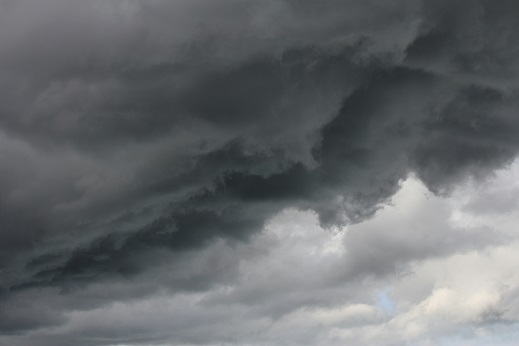
The art and science of weather forecasting play a crucial role in our daily lives, influencing our plans and activities. Weather forecasts can broadly be categorized into several types, including daily, hourly, and long-range forecasts. Daily forecasts provide predictions for conditions over the next 24 hours, often summarizing expected temperatures, precipitation, and wind patterns. Hourly forecasts offer a more granular look at the weather, detailing expected conditions in each hour of the day, which can be especially useful for planning outdoor events.
Long-range forecasts, on the other hand, extend from several weeks to a season. These forecasts utilize climate models to predict trends based on historical data and current meteorological observations. While long-range forecasts can provide a general outlook, their accuracy diminishes over time, making them less reliable than daily and hourly forecasts.
The generation of weather forecasts relies heavily on meteorological data collected from various sources, including satellites, weather stations, and radar systems. Meteorologists analyze this data using sophisticated computer models that simulate atmospheric conditions. The integration of data from these diverse sources allows for a more accurate prediction of weather patterns, enabling individuals and communities to make informed decisions based on potential weather changes.
Staying informed about weather patterns is vital, as conditions can change rapidly. Knowing when to expect rain, snow, or severe storms can significantly affect planning for outdoor activities, travel, and agricultural operations. By understanding how forecasts are formulated and the types of forecasts available, individuals can better navigate their schedules and remain prepared for unexpected weather events.
Recent Weather Trends
In recent months, several notable weather trends have emerged across various regions, highlighting the increasing unpredictability of climate patterns. Heatwaves have been particularly severe in regions that typically experience moderate summers. For instance, cities in the Midwest have reported record high temperatures, causing significant disruptions to outdoor activities and local events. This shift in temperature trends has led to public health advisories, with residents being urged to stay hydrated and limit outdoor exposure during peak hours.
Conversely, other areas are grappling with an abundance of rain and storms that have not only disrupted travel plans but also wreaked havoc on local events. Coastal regions, for example, have experienced significant rainfall due to a series of storms that have swept through, prompting flash flood warnings and safe evacuation measures. These developments have prompted organizers to reconsider schedules for outdoor festivals and athletic events, as inclement weather can severely limit attendance and enjoyment.
Additionally, persistent rain has affected agricultural activities, causing delays in planting and harvesting cycles. Farmers are expressing concerns about crop yields and the implications of prolonged wet conditions on their livelihoods. This has been particularly evident in the Northeast, where farmers have adopted new strategies to cope with unexpected shifts in weather, such as utilizing drainage systems and adjusting planting schedules.
As we witness these varied weather forecasting phenomena, it is crucial for individuals to stay informed about local forecasts and understand how these trends may impact their plans. Whether it involves adjusting travel arrangements or considering alternative outdoor activities, awareness of current weather patterns is essential for ensuring safety and enjoyment in daily life.
Planning Ahead: Making Adjustments
Weather can be unpredictable, and its impact on our plans can vary significantly. Therefore, it’s essential to prepare and adjust our activities according to the forecast. One effective strategy is to keep an eye on weather updates leading up to your planned event or outing. This allows for timely adjustments, enabling you to make informed decisions tailored to the prevailing weather conditions.
If inclement weather is expected, consider alternative activities that can be enjoyed indoors. For example, if heavy rain is forecasted, you might swap an outdoor picnic for a visit to a local museum or a cozy café. Engaging in indoor activities not only keeps the experience enjoyable but also minimizes disappointment from potential cancellations.
Moreover, packing for unexpected weather forecasting changes is imperative for every outing. This includes bringing along essentials such as umbrellas, jackets, or sunscreen, even if the forecast appears favorable. An adaptable packing approach ensures that you are well-prepared for any scenario, thus reducing stress and enhancing your enjoyment of the planned activities.
Additionally, maintaining flexibility with your travel plans can significantly mitigate weather disruptions. If traveling to a destination with fluctuating weather patterns, consider scheduling extra days to allow for delays or rescheduling activities. Should conditions take a turn for the worse, having buffer time may prove beneficial for re-arranging your itinerary without losing valuable experiences.
In summary, adjusting plans based on weather updates is a proactive approach that enhances the quality of your experiences. By planning alternative activities, preparing for unexpected weather, and allowing flexibility in travel arrangements, you can maximize enjoyment regardless of what the forecast dictates.
Staying Informed: Tools and Resources
Staying updated on weather conditions is essential for effectively planning your day-to-day activities. A variety of tools and resources are available to help you navigate the unpredictable nature of the weather. Smartphone applications, dedicated websites, and local news channels typically serve as reliable sources for weather information.
Popular weather apps, such as The Weather Channel, AccuWeather, and NOAA Weather Radar Live, provide real-time updates, forecasts, and radar imagery. These applications feature user-friendly interfaces and customizable notifications that alert you to changes in weather conditions, including severe weather warnings, rain alerts, and temperature fluctuations. This level of accessibility empowers users to make informed decisions about their plans.
In addition to mobile applications, numerous websites offer comprehensive weather forecasting information. Websites like Weather.com, BBC Weather, and National Weather Service provide in-depth weather forecasts, interactive maps, and educational resources that can enhance your understanding of meteorological phenomena. On these platforms, users can explore regional forecasts, view historical weather data, and track upcoming weather events.
Local news channels also play a crucial role in delivering timely weather updates. During severe weather events, local broadcasters often provide live coverage that includes emergency alerts and safety tips. Tuning into these broadcasts can offer a community-focused perspective on weather developments that might impact your area. Furthermore, many local stations maintain social media accounts and websites dedicated to weather updates.
To make sense of the various alerts and warnings issued by these resources, it is important to understand the terminology used by meteorologists. For instance, a “watch” indicates potential weather hazards may develop, while a “warning” suggests that dangerous conditions are imminent. By familiarizing yourself with these terms, you can better interpret the information provided by weather sources.