


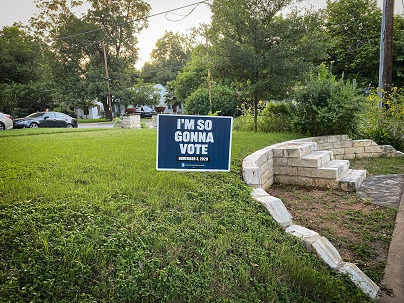
Political opinions hold a foundational role in shaping the contours of a democratic society. Each individual’s beliefs and opinions contribute significantly to the overall political landscape, reflecting the collective consciousness of the electorate. In a democracy, political opinions serve as a guiding force that influences not only electoral outcomes but also public discourse and decision-making processes.
Public opinion acts as a critical barometer of what citizens prioritize and value in governance. In the context of elections, voter engagement is crucial; active participation in the democratic process amplifies the expression of political opinions. High levels of voter turnout often indicate a vibrant political atmosphere where citizens feel empowered to voice their perspectives, thus impacting the selection of representatives and policies. Politicians are tasked with interpreting these opinions and adapting their platforms accordingly, aiming to resonate with the electorate’s values and concerns.
Furthermore, the relationship between political opinions and policymaking cannot be overstated. Elected officials frequently base their decisions on the prevailing sentiments of their constituents, making public opinion a significant factor in the legislative process. Politicians leverage polls and surveys to gauge voter attitudes and preferences, which helps inform their policy proposals and governance strategies. This interplay underscores the importance of individual political opinions, as these sentiments can lead to shifts in policies and priorities depending on the electorate’s demands.
Ultimately, elections function as a reflection of the political opinions held by the populace, offering a snapshot of societal values at a given time. These opinions shape not only the immediate electoral outcomes but also the long-term trajectory of democratic governance, impacting how policies evolve and how political institutions respond to the changing needs and expectations of society.
Historical Trends in Voting Behavior
Voting behavior has undergone significant changes throughout history, influenced by a variety of factors, including political opinions, social movements, and demographic shifts. In the early years of American democracy, voting was predominantly dominated by white, landowning men, creating a narrow demographic that shaped political opinion. As suffrage expanded, the inclusion of various groups transformed the electorate and brought new political perspectives to the forefront.
Key elections often serve as pivotal moments that reflect and sometimes even reshape public opinion. For instance, the 1964 presidential election showcased a dramatic ideological shift as the civil rights movement gained momentum. This election highlighted the emerging preference for progressive policies among younger voters and racial minorities, fundamentally altering the Democratic Party’s platform. Similarly, the 1980 election marked a significant turning point as conservative sentiments gained traction, with Ronald Reagan’s campaign appealing to an electorate increasingly disenchanted with the status quo.
Research indicates that party affiliation plays a critical role in shaping individual voting behaviors. Trends show that over decades, party loyalty has fluctuated, with increased polarization in recent years. The rise of identity politics has further complicated traditional voting patterns, as segments of the population align themselves with specific issues rather than the parties themselves. Demographic shifts, such as urbanization and changes in the racial makeup of the electorate, have also contributed to evolving political opinions.
Major political events, such as economic recessions and social upheavals, have historically prompted shifts in public opinion and voting behavior. For example, the Great Depression of the 1930s led to a substantial realignment, favoring the Democratic Party and the New Deal coalition. Such historical trends illustrate the fluid nature of political opinions and their considerable impact on election outcomes, underscoring the necessity of understanding these dynamics in the context of contemporary elections.
The Influence of Media and Social Platforms on Political Opinions
In today’s digital landscape, the role of media and social platforms in shaping political opinions has grown tremendously. Traditional media outlets, including newspapers and television, continue to be significant sources of political information; however, social media platforms have become essential in framing public discourse. Through these channels, political news is disseminated and often engaged with instantaneously. Users share articles, comment on posts, and contribute to discussions, all of which contribute to the formation of opinions leading up to elections.
Furthermore, the rise of social media has facilitated the creation of echo chambers. These are environments where individuals are exposed predominantly to opinions that align with their pre-existing beliefs. Within these digital confines, users may become more polarized, reinforcing their political views. The danger posed by this phenomenon is the potential for misinformation to spread unchecked. False narratives can rapidly gain traction, misleading users and altering perceptions of candidates or issues that are critical during election cycles.
The dynamics of engagement on social media also play a vital role in political opinion influence. Algorithms curate content based on user interactions, creating a feedback loop that can intensify biases. As individuals encounter increasingly tailored information, their understanding of political matters may skew without exposure to varying perspectives. This selective exposure can diminish critical thinking and lead to rigid political opinions that may not reflect broader public sentiment.
Moreover, the immediacy and reach of social platforms enable rapid mobilization around political causes, influencing voter turnout and engagement. When individuals feel their opinions are echoed by their online communities, they may be more likely to participate in elections. Thus, understanding the complex interplay between media, social platforms, and political opinions is crucial for grasping their potential impact on electoral outcomes.
The Real Impact of Political Opinions on Election Outcomes
Political opinions play a crucial role in shaping the dynamics of elections. Voter sentiments can significantly impact the course of election outcomes, often leading to discernible shifts in political power. In examining the tangible effects of these opinions, one can observe a myriad of factors, including the behavior of swing voters, key demographic shifts, and the ever-evolving significance of opinion polls.
Swing voters, typically those who do not have a fixed allegiance to any political party, are often instrumental in deciding the fate of elections. For instance, during the 2016 U.S. presidential election, certain states revealed a noticeable shift in voter opinions that saw many individuals transitioning from traditional party lines to independent votes. This transition was not merely anecdotal; it was reflected in numerous polling statistics that indicated changing sentiments leading up to the election.
Demographic analysis provides further insight into how political opinions influence voter behavior. Key demographics, such as age, race, and economic status, contribute significantly to political opinions. Younger voters, for example, have shown an increasing inclination towards progressive policies, which has been reflected in election outcomes where such policies are prominently featured in candidates’ platforms. Various studies have demonstrated that candidate appeal, shaped largely by political opinions, often sways these vital voting blocks.
Opinion polls also serve as a critical barometer for understanding political sentiments. By aggregating public opinion data, these polls can predict electoral behavior, offering projections that sometimes align closely with actual election results. These forecasts, however, often come with caveats, reminding us that while political opinions may greatly influence outcomes, they are not infallible predictors. In assessing whether political opinions can effectively predict election outcomes, it becomes clear that they hold significant weight in shaping electoral results, influencing strategies, and determining the future political landscape. As we move forward, understanding this intricate interplay between voter beliefs and electoral success will be essential for candidates and analysts alike.