


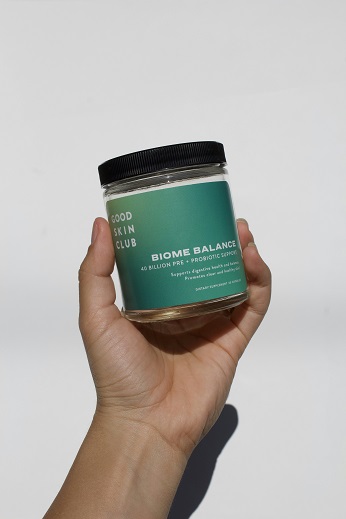
Gut health refers to the overall well-being of the gastrointestinal (GI) tract, encompassing all the organs involved in the digestion and absorption of food. A well-functioning digestive system is crucial for maintaining optimal health, as it ensures the proper breakdown of nutrients and the elimination of waste products. The digestive system contributes significantly to absorbing essential vitamins and minerals, which are vital for various bodily functions.
At the heart of gut health lies the balance of gut bacteria, often referred to as the microbiome. Composed of trillions of microorganisms, a healthy microbiome plays a vital role in digestion by breaking down complex carbohydrates and fibers that the body cannot digest on its own. The type and diversity of these bacteria are heavily influenced by diet, with fiber-rich foods promoting beneficial bacteria while processed foods may lead to an imbalanced microbiome.
The gut-brain connection further emphasizes the importance of gut health, as the gastrointestinal tract communicates with the brain through the vagus nerve and neurotransmitters. This communication can affect mood, stress levels, and overall mental health, illustrating the intricate relationship between digestion and well-being. Furthermore, emerging research indicates that gut health extends its influence beyond digestion; it can impact immune function, hormone regulation, and even skin health.
Consequently, adopting a balanced diet rich in fruits, vegetables, whole grains, and fermented foods can significantly enhance gut health. These foods provide not only vital nutrients but also prebiotics and probiotics that nourish and maintain the microbiome. Thus, conscious dietary choices play a significant role in fostering optimal gut health, which, in turn, supports overall physiological and psychological well-being.
Top Foods for Promoting Gut Health
The gut is a vital component of overall health, significantly influencing digestion and immune function. Supporting gut health through nutrition can lead to enhanced digestion and a balanced gut flora. Incorporating specific foods known for their benefits can promote a healthier gut. Here are some of the top foods to consider for improving gut health.
Yogurt is one of the most recognized foods for gut health. It is rich in probiotics, which are beneficial bacteria that can help restore the natural balance of gut flora. Regular consumption of yogurt can lead to improved lactose digestion and reduce symptoms of lactose intolerance. The presence of live cultures aids in the fermentation process that supports gut function.
Kefir is another fermented product that offers similar benefits to yogurt, but with a wider variety of probiotics. This fermented milk beverage is packed with nutrients and can aid in digestion by breaking down food more efficiently. Its diverse range of microbes can also positively impact the gut microbiome, promoting a diverse ecosystem of beneficial bacteria.
Fibrous vegetables, such as broccoli, Brussels sprouts, and artichokes, are essential for gut health. These vegetables are high in fiber, which acts as a prebiotic, feeding the beneficial bacteria and allowing them to flourish. A fiber-rich diet improves bowel regularity and can prevent digestive disorders.
Lastly, fermented foods like sauerkraut, kimchi, and miso are excellent for gut health. They contain live beneficial bacteria that can enhance the gut microbiome and bolster digestion. Incorporating these foods into daily meals can significantly improve gut function and overall wellness.
In summary, focusing on the right foods, such as yogurt, kefir, fibrous vegetables, and fermented products, can greatly benefit gut health and digestion. These nutrient-rich options provide essential support for maintaining a balanced and healthy gut microbiome.
How to Incorporate Gut-Friendly Foods into Your Diet
Incorporating gut-friendly foods into your diet is an effective strategy for improving digestion and maintaining overall gut health. One of the most effective methods is through meal planning. By dedicating some time each week to prepare your meals, you can ensure that you include a variety of beneficial foods in your daily intake. Start by identifying gut-friendly ingredients such as whole grains, fruits, vegetables, legumes, and fermented foods, like yogurt or kimchi, which can significantly support your digestive system.
As you plan your meals, consider including dishes that feature these ingredients prominently. For instance, you could prepare a hearty lentil stew packed with vegetables like carrots and spinach, seasoned with herbs and spices. Another great option is to create a colorful salad using mixed greens, chopped fruits, nuts, and a yogurt-based dressing. These meals not only offer the requisite nutrients but also allow for creativity in the kitchen.
For snacks, opt for options that enhance gut health. Snack on fruits like bananas or berries, which are rich in fiber, or try some hummus with carrot sticks. Homemade smoothies can be another excellent choice, blending your favorite fruits with Greek yogurt or a handful of spinach for a nutrient-dense boost.
Moreover, simple recipes can be a great way to introduce gut-friendly foods without requiring extensive cooking skills. For example, a basic overnight oats recipe can be made by mixing rolled oats with yogurt and a touch of honey, coupled with berries or nuts for added flavor and texture. The beauty of these recipes is that they are easy to adapt based on your preferences, ensuring a diverse range of gut-friendly foods.
Overall, incorporating gut-friendly foods requires a little planning and creativity. By focusing on whole, nutritious ingredients and experimenting with recipes, you can enhance your digestive health while enjoying flavorful meals.
Lifestyle Habits that Complement Gut Health
Maintaining a healthy gut is not solely reliant on diet; lifestyle habits play a pivotal role in enhancing digestion and gut function. Hydration is vital; water consumption aids in breaking down food and absorbing nutrients. Adequate hydration also supports the lining of the intestines, facilitating smooth digestion. It is advised to consume sufficient fluids throughout the day, adjusting liquidity based on physical activity and environmental factors. Integrating beverages like herbal teas or water-rich fruits and vegetables can further enhance hydration levels.
Regular physical activity is another essential component of supporting gut health. Exercise stimulates the contraction of muscles in the gastrointestinal tract, enhancing the movement of food through the system. Engaging in moderate exercises, such as walking, swimming, or yoga, can improve digestive efficiency, reducing the risk of gastrointestinal discomfort, including bloating and constipation. Recommendations suggest incorporating a minimum of 150 minutes of moderate aerobic exercise weekly to complement gut functionality.
Additionally, managing stress levels plays a crucial role in gut health. Chronic stress can disrupt the gut-brain axis, leading to digestive issues. Techniques such as mindfulness, meditation, or deep-breathing exercises can alleviate stress and promote overall wellness. Furthermore, establishing a routine that includes relaxation practices can foster a supportive environment for gut health.
Lastly, sleep quality significantly impacts gut functionality. Inadequate sleep affects hormone levels that regulate appetite, leading to poor food choices and overeating. Prioritizing restorative sleep can enhance gut flora and overall digestive health. Aim for seven to nine hours of uninterrupted sleep per night to support a well-functioning gut.