


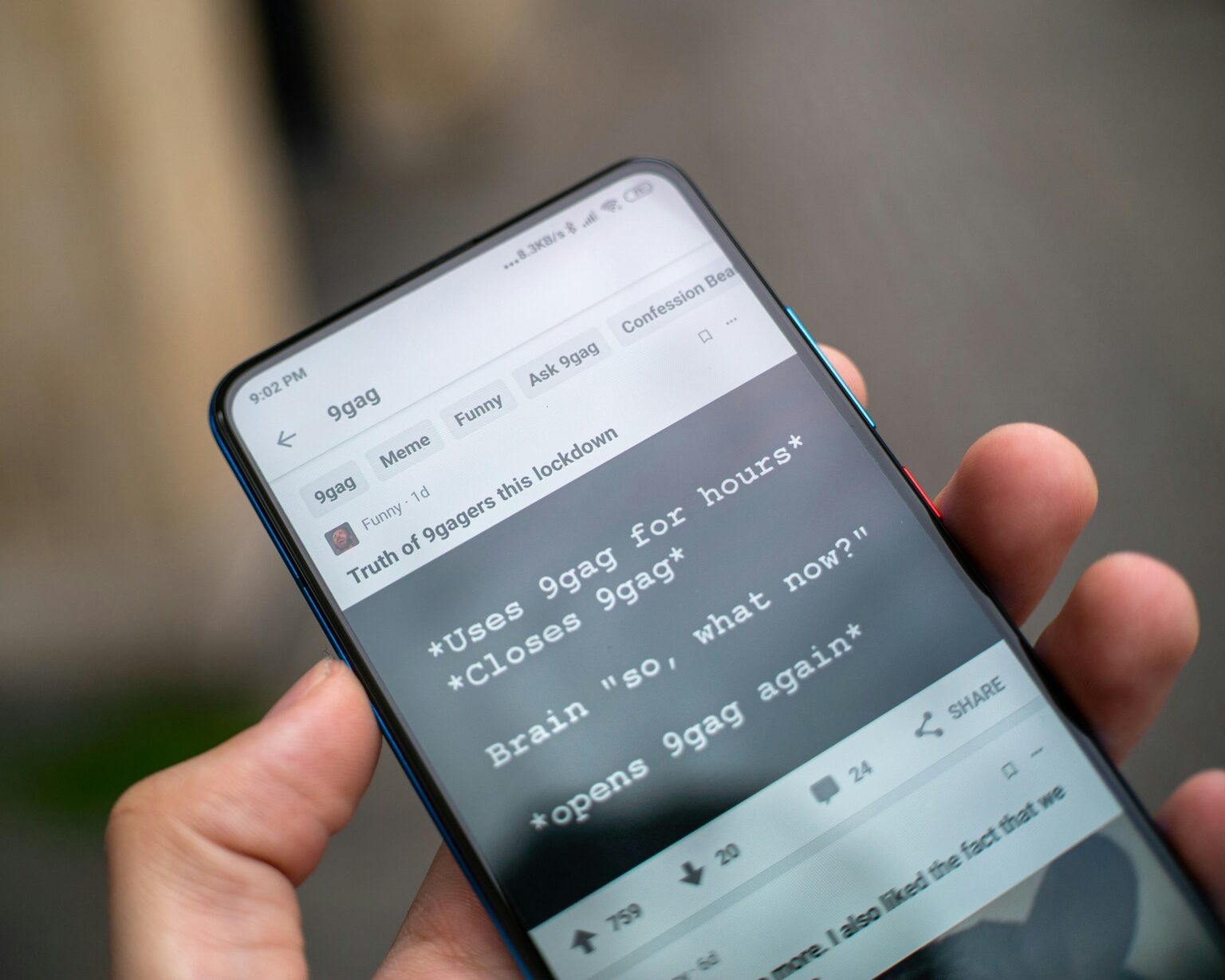
In the realm of digital communication, memes have established themselves as a unique form of expression that can spread across social media platforms rapidly. The viral nature of these memes often hinges on a few critical elements, including relatability, humor, and timeliness regarding current events. When a meme resonates with a broad audience, it is more likely to be shared, liked, and commented on, thus increasing its visibility and reach exponentially.
Relatability is perhaps one of the most significant factors contributing to a meme’s virality. Memes that reflect common experiences, emotions, or societal trends create a sense of connection among individuals. For instance, a meme that showcases the trials of working from home, especially during the pandemic, resonated with a vast audience, as many people could relate to the challenges depicted. This shared experience allowed the meme to be passed around quickly, enabling it to go viral overnight.
Additionally, humor is a quintessential component of most memes. Funny memes often elicit strong emotional responses, prompting viewers to share them with others for the sake of entertainment. An example is the “Distracted Boyfriend” meme, which cleverly illustrates the concept of shifting priorities and relationships. Its humorous take on a relatable scenario amplified its appeal, helping it spread rapidly across social mediums.
Moreover, memes that tap into current events can seize the moment, gaining traction almost instantly. For instance, memes centered on notable political events or pop culture occurrences frequently see a spike in sharing, as they capture the public’s attention during those times. The rapid exchange of such content illustrates the dynamic relationship between social media and contemporary topics, reinforcing how timely content influences the virality of memes.
Top Memes That Dominated Recent Trends
The dynamic nature of the internet has fostered an environment where memes can emerge and spread rapidly, capturing the interest of users worldwide. One of the most significant memes to have taken social media by storm recently is the “Distracted Boyfriend” meme. Originating from a stock photo, this image has been repurposed to humorously depict various scenarios, illustrating internal conflict and distraction across multiple contexts. Its relatability and versatile application have made it a favorite among meme enthusiasts.
Another notable example is the “Woman Yelling at a Cat” meme, which features an image of a woman shouting with a cat sitting at a table, looking confused. This meme gained popularity due to its ability to express a myriad of emotions, allowing users to convey frustration or absurdity in humorous conversations. The juxtaposition of the shouting woman and the unbothered cat has led to a variety of entertaining interpretations, contributing to its viral status.
Additionally, the “Bernie Sanders Sitting” meme emerged during the 2021 inauguration, where Senator Bernie Sanders was photographed sitting alone, wearing a distinctive parka and handmade mittens. This image quickly became a symbol of comfort and casualness, prompting countless users to superimpose Bernie into various contexts, ultimately highlighting the meme’s adaptability and humor in social commentary.
These memes, among others, illustrate the unique capacity of internet culture to encapsulate feelings and observations in humorous formats. As social media platforms continue to evolve, so does the creativity surrounding these memes, fostering ongoing trends that engage audiences across various demographics. By remaining attuned to these mainstream memes, users can not only join in on the conversation but also contribute to the rich tapestry of digital expression present in today’s online landscape.
The Role of Social Media in Meme Culture
Social media platforms have become essential conduits for the dissemination of memes, playing a pivotal role in shaping contemporary meme culture. These platforms, including Facebook, Twitter, Instagram, and TikTok, facilitate the rapid sharing and engagement with memes, leading to their viral spread across diverse user demographics. The ability to share content with just a click or tap has transformed how memes propagate; especially with the use of features such as likes, comments, retweets, and shares, users not only consume memes but also amplify their reach significantly.
On platforms like Twitter, for example, a single retweet can expose a meme to thousands of users, creating a snowball effect that can see a meme go from relative obscurity to trending status in mere hours. This phenomenon is further enhanced by the inherent nature of social media, which encourages users to interact with content by liking or commenting, thus promoting further visibility due to algorithmic recommendations. Additionally, the design of these platforms typically prioritizes shareable content, allowing memes to infiltrate various communities outside their original context.
Instagram and TikTok, on the other hand, leverage visual storytelling and short-form content, which are characteristic of memes. The use of visual mediums allows for quicker comprehension and engagement, making it easier for users to share humor and cultural commentary through memes. As memes become increasingly integrated into social media content strategies, brands and influencers also jump on the bandwagon, using memes to connect with audiences in relatable and fun ways, further fueling their popularity.
In conclusion, social media is not just a platform but a catalyst for meme culture, driving the speed and reach with which memes spread. As the digital landscape evolves, so does the interaction between users and memes, continually shaping the way cultural narratives are conveyed and shared online.
Future of Meme Trends: What’s Next?
The world of memes is ever-evolving, reflecting the rapid pace of cultural and technological advancements. As we look ahead, several factors may shape meme trends in ways that are difficult to predict yet fascinating to explore. One of the primary influences on future memes will likely be advancements in technology, particularly in artificial intelligence and machine learning. These technologies may enable the creation of more sophisticated memes, potentially allowing users to generate personalized content based on preferences or trending cultural references.
Furthermore, the rise of new platforms can significantly impact how memes are created and shared. The emergence of short video formats, as seen with TikTok, has already altered traditional meme consumption. Users are gravitating towards dynamic content that blends humor with visual storytelling, hinting that future memes may increasingly incorporate these elements. In essence, we may witness a transition from static images to a predominance of video memes that engage audiences on multiple sensory levels.
Cultural shifts also play a crucial role in the evolution of meme trends. Current events, social movements, and even economic conditions can inspire new themes and formats. We may see an increase in memes that embrace social awareness or address pressing global issues, reflecting society’s collective experiences and sentiments. As young creators become more involved in addressing these topics through humor, we may experience a wave of socially conscious memes that resonate deeply with audiences.
In conclusion, while it is impossible to predict with certainty what meme trends will emerge next, the intersection of technology and culture will undoubtedly drive innovation in meme creation and sharing. Observing these developments will be essential for understanding how the landscape of humor on the internet continues to transform in the years to come.