

Introduction to Home Ventilation
Home ventilation refers to the intentional process of exchanging indoor air with outdoor air to ensure a constant flow that maintains a healthy living environment. It plays a crucial role in enhancing indoor air quality, regulating temperature, and preventing the accumulation of excessive moisture levels. This process is vital, particularly in modern homes, where energy-efficient designs often limit natural airflow. One of the primary objectives of home ventilation is air exchange, which involves bringing fresh outdoor air into the home and expelling stale indoor air. This exchange is essential for removing indoor pollutants, including volatile organic compounds (VOCs), allergens, and other harmful substances generated by everyday activities. Proper ventilation is particularly significant in areas such as kitchens and bathrooms, where humidity levels can rise rapidly.
Moreover, the regulation of temperature is another critical function of effective home ventilation. By circulating air and promoting cross-ventilation, homes can maintain a more consistent indoor temperature, thereby reducing the reliance on heating and cooling systems. This not only contributes to energy savings but also elevates overall comfort levels within the home.
Additionally, effective ventilation systems are instrumental in preventing moisture build-up, which can lead to mold growth and structural damage. By controlling humidity, ventilation fosters a healthier indoor environment, ultimately supporting the well-being of residents. As such, understanding the importance of home ventilation becomes imperative for homeowners seeking to improve their living conditions and ensure long-term sustainability.
Types of Home Ventilation Systems
Home ventilation systems are crucial for maintaining indoor air quality and comfort. They can be categorized into three primary types: natural ventilation, mechanical ventilation, and hybrid ventilation systems. Each type serves a unique purpose and comes with its own set of advantages and disadvantages.
Natural Ventilation relies on natural forces such as wind and temperature differences to facilitate air exchange within a building. This system typically involves the strategic positioning of windows, vents, and other openings to allow outdoor air to flow freely into the home while expelling stale indoor air. Advantages of natural ventilation include its low energy requirements and cost-effectiveness, making it an environmentally friendly option. However, its effectiveness heavily depends on geographic location and weather conditions, which can result in inconsistent air flow.
Mechanical Ventilation, in contrast, utilizes powered fans and blowers to circulate air throughout a building. This system can be further divided into exhaust, supply, and balanced ventilation systems. Exhaust systems remove stale air, while supply systems bring in fresh air. Balanced systems combine these functions to maintain optimal air pressure. The main advantage of mechanical ventilation is its ability to provide consistent air flow regardless of external conditions. However, it typically requires more energy, which can lead to higher operational costs. Additionally, regular maintenance is necessary to ensure optimal performance and prevent air quality issues.
Hybrid Ventilation systems combine both natural and mechanical ventilation techniques. They adapt to external weather conditions and provide ample airflow while optimizing energy efficiency. During favorable weather, it may rely on natural ventilation, switching to mechanical methods when conditions are less suitable. This flexibility allows homeowners to benefit from the strengths of both systems. However, the complexity of hybrid systems can sometimes lead to higher installation costs and the need for professional advice to determine the best configuration for individual homes.
Health Implications of Poor Ventilation
Poor ventilation can significantly impact health, leading to a variety of respiratory problems and exacerbating pre-existing conditions. Inadequate air circulation can contribute to the accumulation of indoor air pollutants such as volatile organic compounds (VOCs), dust, and particulate matter. These pollutants are known to aggravate asthma and other respiratory illnesses, often resulting in chronic discomfort and health complications. Proper home ventilation is essential for reducing these harmful contaminants and ensuring a healthier indoor environment.
Furthermore, individuals suffering from allergies may find their symptoms intensifying in poorly ventilated spaces. Stale, damp air promotes the proliferation of mold and mildew, organisms that release allergens into the environment. Exposure to molds can trigger allergic reactions, leading to a host of issues such as sneezing, itching, and more severe respiratory ailments. Additionally, the presence of dust mites, which thrive in humid conditions, becomes a significant concern when ventilation is lacking. Ensuring adequate airflow can mitigate the growth of these allergens and contribute to better health outcomes.
The consequences of poor air quality extend beyond physical health—mental well-being may also suffer. Research has indicated that inadequate ventilation can lead to feelings of fatigue and decreased productivity. The link between air quality and cognitive function emphasizes the need for an environment that supports optimal health. Spaces that are well-ventilated can enhance focus, mood, and overall effectiveness, demonstrating a direct correlation between air quality and individual performance.
In conclusion, the implications of insufficient home ventilation are far-reaching, affecting both physical and mental health. Addressing ventilation issues is a vital step toward ensuring a safe and thriving living environment.
Benefits of Proper Ventilation
Proper home ventilation is crucial for maintaining a healthy and comfortable living environment. One of the most significant benefits is improved indoor air quality. By ensuring a consistent flow of fresh air, ventilation helps to dilute and remove indoor pollutants such as allergens, dust, and volatile organic compounds (VOCs). When effectively implemented, a good ventilation system minimizes the concentration of harmful substances, leading to a healthier home atmosphere.
In addition to enhancing air quality, proper ventilation contributes to greater comfort within your living spaces. Without adequate airflow, homes can become stuffy and oppressive, especially during warm months. A well-ventilated home allows for a balanced temperature throughout, making it easier to maintain a comfortable climate regardless of external weather conditions. Enhanced comfort not only makes a space more enjoyable but can also have a positive impact on mental well-being.
Investing in proper ventilation can also lead to notable energy efficiency benefits. Correctly designed and installed systems can help reduce the load on heating and cooling systems, leading to lower energy bills. When air circulates freely, it requires less energy to heat or cool spaces, making the home more environmentally friendly and cost-effective. Over time, homeowners often find that effective ventilation systems pay for themselves through reduced utility costs.
Lastly, reduced health issues are a key benefit of proper ventilation. Poor indoor air quality is linked to various respiratory problems and allergies. By promoting better airflow, proper ventilation can help prevent moisture buildup, reducing the risk of mold growth that can exacerbate health issues. Investing in an effective ventilation system not only contributes to immediate comfort but also fosters long-term well-being for all inhabitants.
Signs Your Home Needs Better Ventilation
Proper ventilation is essential for maintaining a healthy and comfortable indoor environment. Homeowners should be aware of several signs that indicate their home may be suffering from inadequate ventilation. Recognizing these issues early can help prevent more significant problems down the road.
One common symptom of poor ventilation is excessive humidity. If you notice that your home feels muggy or damp, especially in areas like basements or bathrooms, it could be an indication that moist air is not being adequately circulated and expelled. This excess humidity can lead to the growth of mold and mildew, which can pose health risks and damage your property.
Another prevalent sign is condensation forming on windows. When the internal air is humid, and your home lacks proper ventilation, this moisture can settle on cooler surfaces like glass. If you find yourself constantly wiping condensation off windows, it may be time to consider improving your home’s ventilation system.
Additionally, persistent odors are a clear sign that your home needs better air circulation. Unpleasant smells, especially those that seem to linger despite cleaning efforts, are often caused by trapped air or stagnant moisture. These odors can originate from spaces that are not receiving adequate airflow, leading to a buildup of bacteria or other harmful substances.
In many cases, if you notice an increase in allergens such as dust mites or pollen in your home, it could signal that your ventilation system is not functioning properly. Ensuring effective airflow can help manage air quality and reduce the accumulation of irritants, creating a healthier living space.
By recognizing these key signs indicating the need for improved ventilation in your home, you can take proactive measures to address potential issues, ensuring a more comfortable and healthier living environment for all occupants.
How to Improve Home Ventilation
Improving home ventilation is essential for maintaining a healthy living environment and promoting energy efficiency. There are several actionable strategies homeowners can employ to enhance airflow throughout their residences. These methods range from simple maintenance tasks to more significant upgrades.
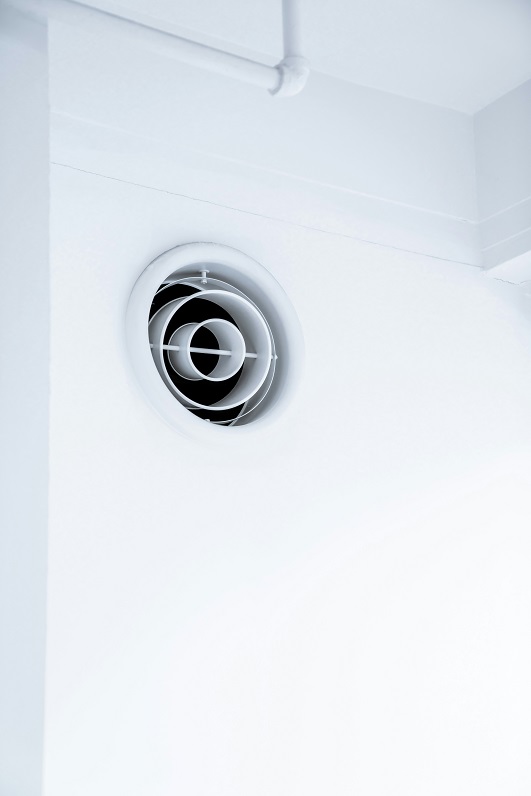
First, regular maintenance of existing ventilation systems is crucial. Homeowners should routinely clean air filters in HVAC systems, which enhances airflow and improves indoor air quality. Additionally, inspecting and sealing ducts can prevent air leaks, ensuring that the conditioned air reaches its intended spaces. Cleaning exhaust fans in areas such as kitchens and bathrooms can also help maintain optimal airflow and prevent humidity buildup.
Homeowners should consider upgrading to energy-efficient appliances and ventilation systems. Modern systems often come equipped with advanced filtration technologies that are better at improving air quality and reducing energy consumption. For those with older systems, retrofitting with new components can also enhance performance and efficiency.
Moreover, natural ventilation can be maximized through DIY methods. Homeowners can strategically open windows and doors during favorable weather conditions, encouraging cross-ventilation. Installing vents or using window fans can facilitate air exchange between indoor and outdoor spaces. Additionally, the use of ceiling fans can create a breeze that helps in distributing air more evenly and improving overall comfort.
Incorporating plants that improve air quality can also support better ventilation. Certain greenery can absorb pollutants and effectively increase oxygen levels within the home. Utilizing exhaust fans in high-moisture areas can help mitigate the risk of mold growth while ensuring proper airflow.
By actively maintaining existing systems, considering upgrades, and employing DIY strategies, homeowners can significantly improve the ventilation in their homes, leading to enhanced comfort and healthier air quality.
The Role of Ventilation in Energy Efficiency
Proper home ventilation is increasingly recognized as a critical component in achieving energy efficiency. When a home is adequately ventilated, it supports the balance between air exchange and temperature regulation, leading to reduced energy costs. Effective ventilation facilitates the removal of indoor air contaminants, moisture, and excess heat during warmer months, creating a healthier living environment.
One of the primary benefits of good ventilation is its ability to assist in maintaining consistent indoor temperatures. Hot air can accumulate within a home, particularly in areas like attics or upper floors, leading to an increased reliance on air conditioning during the summer. By utilizing ventilation systems, homeowners can allow cooler outdoor air to circulate, reducing the strain on HVAC systems and ultimately lowering energy bills. In winter, proper ventilation helps eliminate humidity and maintains the efficiency of heating systems by ensuring that warm air moves freely throughout the house.
Additionally, modern ventilation solutions, such as heat recovery ventilators (HRVs) and energy recovery ventilators (ERVs), offer energy-efficient options for both heating and cooling, allowing for significant cost savings. These systems exchange stale indoor air with fresh outdoor air while retaining the thermal energy from the outgoing air, which minimizes the demands on heating and cooling systems. The implementation of such systems not only improves air quality but also enhances energy efficiency by reducing the amount of energy required to achieve comfortable temperatures.
In summary, the role of proper ventilation in energy efficiency cannot be overstated. By ensuring that air circulation is adequately managed, homeowners can enhance comfort, reduce energy costs, and maintain a healthier living environment. Adopting effective ventilation strategies is integral to creating an energy-efficient home.Pairing better airflow with a review of your current gas and electric suppliers can compound those savings, since a well-ventilated home paired with a competitive energy plan often delivers the biggest drop in monthly utility bills.
Ventilation Standards and Guidelines
Proper home ventilation is critical for maintaining indoor air quality and ensuring a healthy living environment. Various health and building experts have established ventilation standards and guidelines that homeowners should follow to keep their systems compliant with local building codes and best practices.
The American Society of Heating, Refrigerating and Air-Conditioning Engineers (ASHRAE) provides comprehensive guidelines for ventilation in residential buildings. According to ASHRAE Standard 62.2, the minimum ventilation rate in homes should be calculated based on the number of bedrooms and the square footage. For instance, the standard recommends a minimum rate of 0.35 air changes per hour (ACH) or 15 cubic feet per minute (CFM) per person, ensuring adequate fresh air enters the home.
Additionally, local building codes may augment these recommendations, often requiring specific mechanical systems to meet ventilation requirements. Homeowners should familiarize themselves with their state and municipal regulations, as these can vary greatly. For example, some areas may mandate the installation of heat recovery ventilators (HRVs) or energy recovery ventilators (ERVs) to enhance energy efficiency while providing necessary air exchange.
Furthermore, the use of smoke alarms, carbon monoxide detectors, and humidity sensors is also recommended. These devices help detect issues that may arise from poor ventilation and enable timely interventions. Compliance with established ventilation standards not only supports the health of occupants but also protects the home’s structure, reducing the risk of mold growth and damage from moisture accumulation.
By adhering to these expert guidelines and updating existing systems according to local codes, homeowners can create a healthier and more comfortable living environment. Keeping abreast of the latest ventilation practices is essential for maintaining a safe home atmosphere.
Conclusion: The Future of Home Ventilation
As we have explored throughout this blog post, the significance of proper home ventilation cannot be overstated. It plays a critical role in maintaining indoor air quality, preventing moisture build-up, and ensuring the overall health and comfort of residential spaces. With increasing awareness of environmental issues and the impact of indoor air pollution, the demand for efficient ventilation solutions is set to rise. Therefore, understanding the fundamentals of home ventilation will empower homeowners to make informed decisions regarding their living environments.
Emerging technologies are paving the way for more advanced ventilation systems. Innovations such as energy recovery ventilators (ERVs) and heat recovery ventilators (HRVs) offer the potential to enhance air exchange rates while minimizing energy loss. These systems not only help in maintaining optimal temperature and humidity levels but also ensure that fresh air circulates effectively throughout the home. Over the next few years, we can expect to see further developments in smart home ventilation solutions, utilizing sensors and automation to adapt airflow based on real-time air quality data.
Additionally, the integration of renewable energy sources in home ventilation systems signifies a move towards more sustainable practices. Solar-powered ventilation systems, for instance, could provide energy-efficient solutions that align with environmentally friendly residential designs. As these technologies advance, homeowners will have greater access to tools that can improve indoor air quality while also reducing environmental footprints.
In summary, the future of home ventilation is promising, with innovations that can significantly improve residential air quality and promote healthier living environments. Staying informed on these advancements will be paramount for homeowners looking to enhance their home ventilation systems effectively.