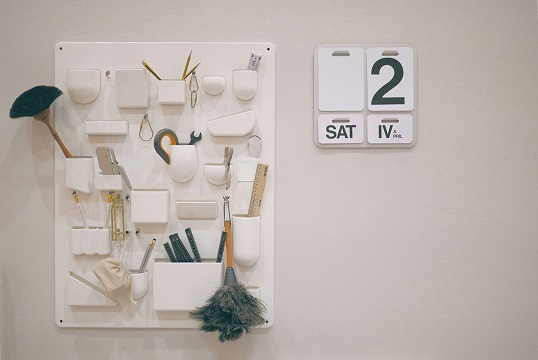
Introduction to Home Organization
Maintaining organization within the home is a practice that extends far beyond mere aesthetic appeal. An organized space is not only visually pleasing but also fundamentally improves various aspects of daily life, including productivity and mental well-being. When a home is well-organized, individuals can navigate their surroundings with ease, leading to a more efficient execution of daily tasks. One of the primary benefits of home organization is the reduction of stress levels. Clutter can create a sense of chaos, overwhelming individuals and making it difficult to focus. By implementing organizational strategies, such as designated storage solutions and decluttering practices, residents can foster a more serene environment. This tranquility can enhance one’s ability to concentrate and accomplish tasks, whether they pertain to work, leisure, or family commitments. Furthermore, maintaining an organized home contributes significantly to enhanced aesthetics. A well-organized space reflects a sense of care and attention, inviting positivity and comfort. This aesthetic improvement can be especially motivating during gatherings, as guests may find the environment more welcoming. An organized home can lead to increased social interactions, further benefiting emotional health.
However, achieving and maintaining organization throughout the year can present challenges. Common obstacles include busy schedules that leave little time for sorting through belongings and the accumulation of items that can make organization feel overwhelming. Additionally, seasonal changes may necessitate adjustments in organization techniques to accommodate different activities or projects. Understanding these challenges is the first step toward developing effective organizational systems that can stand the test of time.
Assessing Your Space
To embark on the journey of home organization, the first step is to thoroughly assess your space. This evaluation is crucial, as it helps in identifying the strengths and weaknesses of your current organizational systems. Begin by taking a walk through your home, paying close attention to each room and its function. As you observe, consider specific questions: Which areas are cluttered? What items do you frequently misplace? Where do I spend the most time, and is it organized to support my activities? This reflective process can illuminate clutter hotspots that may have previously gone unnoticed.
It may be beneficial to jot down your observations. Create a checklist that includes each room, noting the specific areas that are disorganized and need immediate attention. This list not only provides you with a game plan but also lays the groundwork for devising effective organizational strategies. In assessing each room, you might ask yourself about the necessary items. Are there any that can be donated, discarded, or stored elsewhere? Streamlining your belongings is a vital aspect of effective home organization.
Furthermore, evaluate the systems you currently employ. Are your storage solutions fallible? Do you find that certain strategies only work momentarily before reverting to disorder? Understanding how your existing methods are performing will inform you as you create new organizational plans tailored to your needs. Keep in mind that organizing is a continual process; periodic reassessment of your spaces is essential to maintaining order.
Creating a Master Plan
To achieve a well-organized home, the development of a master organization plan is crucial. This plan should be meticulously tailored to the specific needs of your household and the layout of your home. Start by setting achievable goals that address both immediate and long-term organization needs. These goals could include decluttering a specific room, implementing a storage solution, or establishing a maintenance routine.
Next, prioritize tasks based on urgency and impact. For instance, if a particular area of your home is frequently used and cluttered, it should take precedence in your organization efforts. Consider creating a checklist or a flowchart that details each task. This will not only provide clarity but also a sense of accomplishment as you complete each item.
Determining a realistic timeline for implementation is another critical aspect of your master plan. Break down your larger goals into smaller, manageable tasks that can be tackled weekly or monthly. By setting specific dates for when each task should be completed, you create accountability and momentum for your organization journey.
It is important to remain flexible throughout this planning process. Life can change unexpectedly, and some tasks may take longer than anticipated. Be willing to adjust your timeline and priorities as needed. This adaptability ensures that your organization plan can evolve alongside your changing lifestyle, making it sustainable in the long term. In a well-organized home, every element should serve its purpose efficiently and harmoniously, thus fostering both functionality and peace of mind.
Decluttering: The First Step to Organization
Embarking on the journey of home organization necessitates a crucial first step: decluttering. This process involves evaluating your belongings and making decisions regarding what to keep, donate, or discard. An effective method to guide this decision-making is the ‘one-year rule’. According to this guideline, if an item has not been used in the past year, it may be time to consider parting with it. This approach encourages homeowners to assess the functional value and emotional attachment they have to various items.
When beginning the decluttering process, it is advisable to tackle one room or area at a time. By focusing your efforts, you create a more manageable task that allows for thorough organization without becoming overwhelming. Start with areas that may commonly accumulate clutter, such as closets, kitchens, or garages. Set specific goals for each session, such as determining what can be donated or what is truly essential to keep.
It may also be beneficial to employ specific strategies during the decluttering process. For instance, categorizing items into four groups—keep, donate, throw away, and recycle—can streamline decision-making. Additionally, consider engaging family members or friends to assist in the process, as they may provide objective perspectives regarding the necessity of certain items.
In some cases, emotional connections to items may complicate the decluttering process. Recognizing these attachments while maintaining a clear vision of a more organized living space can help. If parting with certain possessions proves difficult, contemplate taking a photograph as a memory before letting go, thus preserving sentimental value without the physical clutter.
Tips for Effective Organization Techniques
Maintaining an organized home throughout the year requires strategic planning and practical organization techniques. Each room in the home can benefit from tailored approaches that enhance efficiency and minimize clutter. Below, we explore effective organization strategies for various areas, including the kitchen, living room, bedroom, and bathroom.
In the kitchen, it is advisable to utilize vertical space by installing shelves and using stackable containers for pantry items. This not only maximizes storage but also ensures easy access to ingredients. Consider labeling containers clearly to promote organization, making it simpler to locate items quickly while cooking. Additionally, incorporating a pull-out waste bin can help maintain cleanliness, ensuring that waste is efficiently managed.
Moving to the living room, employing multi-functional furniture can be a game-changer. Coffee tables with hidden storage compartments or ottomans that double as seating provide extra space for blankets, magazines, or toys. Implementing a system of decorative baskets can also offer a visually appealing solution for organizing remote controls or miscellaneous items, keeping surfaces clear and tidy.
When it comes to the bedroom, decluttering should be a priority. Start by evaluating clothing and accessories, removing items that are no longer used. A rotating seasonal wardrobe can help streamline the number of clothes visible at any one time. Utilizing under-bed storage boxes can also expand the available space while keeping unused items out of sight.
Finally, in the bathroom, simple enhancements like adding drawer dividers can significantly enhance organization. These divisions allow for easy categorization of toiletries and personal care products. Opt for clear storage containers to make visibility easier and ensure minimal space is wasted. By applying these targeted organization strategies, each room in your home can reflect a sense of order and calm.
Establishing Routines to Maintain Organization
Establishing a consistent routine is fundamental in maintaining an organized home throughout the year. Routines create habits that streamline daily tasks and minimize clutter, effectively leading to a more harmonious living space. By incorporating organized practices into daily, weekly, and monthly schedules, individuals can uphold a tidy environment with relative ease.
Daily Routines: Begin with a brief daily cleanup. Setting aside a mere 10 to 15 minutes each day for tidying up can significantly reduce clutter accumulation. This can include simple actions such as making the bed, washing dishes, or organizing items that have been used throughout the day. Implementing a “reset” time in the evening can also be beneficial, enabling family members to review the day’s activities and put things back in their designated spots.
Weekly Routines: Allocating a specific day of the week for more comprehensive cleaning and organizing tasks ensures that sorting and organizing does not become an overwhelming chore. For instance, dedicating Saturdays to laundry, dusting, and vacuuming while focusing on one area each week can prevent clutter buildup. Additionally, utilizing checklists for these tasks can provide structure and allow individuals to track their progress effectively.
Monthly Routines: Monthly organization rituals can involve deeper cleaning tasks such as decluttering closets or sorting through paperwork. This can be crucial for maintaining an organized atmosphere. Consider designating a day for such tasks and prepare a checklist that addresses each area needing attention. Keeping an organization inventory can also be helpful to ensure that items are maintained and properly stored.
In summary, establishing routines that encompass daily, weekly, and monthly tasks is vital in fostering a consistently organized home. By systematically addressing organization at regular intervals, families can seamlessly maintain an orderly environment conducive to productivity and peace of mind.
Incorporating Family and Household Members
Maintaining an organized home is a collective effort that significantly benefits from the active participation of all household members. To achieve this aim, it is crucial to foster an environment where communication flows freely, allowing everyone to express their thoughts on organization and cleanliness. Regular family meetings can serve as an excellent platform for discussing organization goals, sharing insights, and troubleshooting challenges that arise in the cleaning and organizing process.
Assigning specific responsibilities to each household member is another vital strategy. By designating tasks based on individual strengths and preferences, members are more likely to take ownership and follow through on their assigned duties. For instance, one person might excel at decluttering, while another may have a knack for maintaining cleanliness in shared spaces. Utilizing a chore chart can further clarify responsibilities, making it easier to track progress and provide necessary encouragement.
Creating a culture that values cleanliness and organization is essential for long-term success. This involves celebrating small achievements, such as successfully organizing a room or completing a cleaning task. Offering praise and rewards can motivate household members and foster a sense of teamwork. Additionally, setting a good example as a leader in organizing can encourage others to adopt similar habits. Demonstrating efficient organizing techniques—not only verbally but also through action—can inspire family members to follow suit.
By engaging all members of the household in the process of organizing, it transforms into a shared responsibility rather than a burden on a single individual. Emphasizing communication, assigning roles thoughtfully, and cultivating an organization-friendly atmosphere can lead to lasting benefits in maintaining an orderly home environment.
Seasonal Organization: Adapting to Change
Maintaining an organized home requires a flexible approach that aligns with the shifting seasons. Each season brings unique challenges and opportunities for change, making it crucial to adapt your organization strategies accordingly. For instance, as the weather transitions from winter to spring, it is an ideal time to perform a thorough seasonal cleaning. This process not only revitalizes your living spaces but also helps in reassessing items that may have been neglected during the colder months.
One effective method is to establish a seasonal cleaning schedule. Dedicate time at the beginning of every season to go through your belongings. This involves evaluating the items stored within your home, including clothing, decor, and supplies. By categorizing these items into keep, donate, or discard, you can create a more organized environment while simultaneously supporting sustainable practices. Furthermore, seasonal changes often call for a reevaluation of your decor. As nature transforms, adapting your home’s aesthetics can enhance your living experience and contribute to an organized aura.
It’s also important to consider the practical aspects that seasonal changes bring. For example, as summer approaches, ensure that items such as outdoor tools and summer wear are easily accessible. Conversely, during winter, it may be beneficial to store away lighter clothing and expose warm attire. Creating designated storage spaces for seasonal items, such as bins for holiday decorations or seasonal sports equipment, enhances both efficiency and organization.
By embracing the concept of seasonal organization, you not only keep your home orderly but also foster a dynamic living environment that evolves with time. Regularly adapting your organization methods according to the seasons sets a holistic tone for home management, encouraging a clutter-free lifestyle throughout the year.
Conclusion and Encouragement
Maintaining an organized home is not merely a task to be completed, but an ongoing journey that requires commitment and adaptability. As we have discussed throughout this article, the benefits of an organized home extend beyond just aesthetics; they significantly enhance your efficiency, reduce stress, and contribute to a more balanced lifestyle. By viewing home organization as a continuous endeavor rather than a one-off event, you can create a living environment that evolves alongside your needs.
It is important to adopt a mindset that embraces flexibility when organizing your space. Life changes often, and so too should your organization strategies. Whether it is seasonal changes or shifts in family dynamics, adapting your organizational approaches will allow you to maintain a harmonious home environment. By incorporating small, consistent habits into your daily routine, you will find that the maintenance of order becomes second nature.
Utilizing methods such as regular decluttering sessions, designated storage solutions, and an inventory system for your possessions can be crucial to staying organized. These techniques not only help in keeping your home tidy but also empower you to make informed decisions about what you truly need and value. Additionally, remember to celebrate your efforts and progress in organization, as it can significantly motivate you to continue on this path.
In summary, the journey of home organization is filled with opportunities for personal growth and improved well-being. By integrating the strategies we have discussed and viewing organization as an ongoing process, you will find that it becomes easier to cultivate a space that reflects your values and enhances your daily life. Embrace this journey with enthusiasm, and remember that every step you take contributes to a more organized and fulfilling home.