Key Takeaways
- Choose a fence based on its primary purpose, such as privacy, pet containment, security, or curb appeal.
- Compare wood, vinyl, aluminum, chain-link, steel, and composite materials based on appearance, durability, cost, and maintenance.
- Consider yard slope, drainage, soil conditions, wind exposure, and other Northern Virginia weather factors.
- Evaluate fence height, panel spacing, gate placement, and hardware to support safety and everyday access.
- Look beyond the initial installation quote by reviewing future maintenance, repairs, warranties, and included services.
- Check Prince William County zoning requirements, property boundaries, easements, and HOA rules before construction.
- Arrange utility markings through Virginia 811 before digging post holes.
- Coordinate fence materials and design with decks, patios, landscaping, and other outdoor features for a cohesive property layout.
Choosing a fence in Haymarket, Virginia involves more than picking a color or a panel style. A good fence needs to suit the property’s purpose, the layout of the yard, daily maintenance expectations, and the changing conditions that come with Northern Virginia weather. Homeowners planning a broader outdoor update, including hardwood decking in Haymarket, VA, can create a more cohesive space by considering how fence materials will complement decks, patios, gardens, and walkways. Whether the priority is privacy from nearby homes, a safer place for children and pets, a polished front boundary, or practical security around a business, the material should follow the job. The best choice is rarely the same for every property, especially where sloped lots, wooded edges, drainage patterns, and neighborhood requirements may shape the design.
Start With the Fence’s Main Purpose
Before comparing materials, define what the fence must accomplish. A solid backyard enclosure for privacy has different requirements from an open aluminum boundary around landscaping or a chain-link enclosure for a dog run. Choosing the purpose first helps prevent paying for features that do not solve the real problem.
- Blocking views from neighboring yards or nearby roads
- Containing pets and creating safer play areas
- Defining property edges and outdoor living zones
- Protecting pool areas and controlling gate access
- Adding curb appeal without closing off views
- Screening equipment, storage, or service areas
- Supporting commercial security and controlled access
Compare Common Fence Materials
Wood Fencing
Wood remains a flexible option for privacy fences because it can be built in many heights and styles. Board-on-board, stockade, shadowbox, and picket designs each create a different look. Wood fits traditional homes and natural landscapes well, but it requires periodic cleaning, protective finishing, and repairs as boards and hardware age.
Vinyl Fencing
Vinyl is often chosen for its clean, consistent appearance and lower routine upkeep than painted or stained wood. Solid vinyl panels can create substantial privacy, while semi-private styles allow more light and airflow. Periodic washing and inspections still matter, particularly around gates, posts, and areas exposed to lawn equipment.
Aluminum Fencing
Aluminum works well where homeowners want a defined boundary without obstructing views. It is commonly used around landscaped areas, yards, and pools when the selected design meets applicable safety requirements. Its open construction provides little privacy on its own, but shrubs or layered plantings can soften sightlines.
Chain Link, Steel, and Composite
Chain link is practical for containment and visibility, and privacy slats or screening can change its appearance. Steel fencing can provide a stronger security-focused solution when properly protected against corrosion. Composite fencing offers a manufactured, wood-like appearance and can appeal to owners who want reduced finishing work, although its initial cost may be higher than basic wood options.
Choose a Material for Privacy
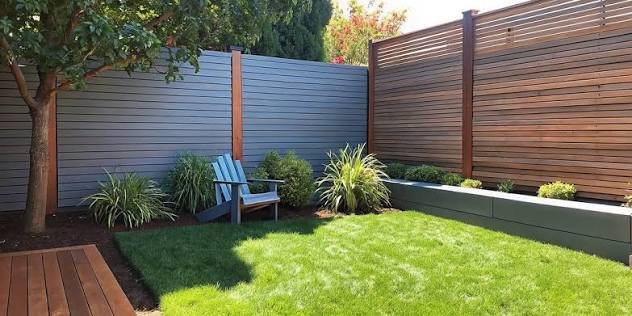
Privacy depends on fence height, panel construction, board spacing, gate placement, and the yard’s grade, not solely on the material. Solid wood, vinyl, and composite panels are typical choices for maximum screening. Lattice-top, shadowbox, and slatted styles offer more light and visual interest while providing partial separation. On a sloped Haymarket yard, a stepped fence layout may cover gaps more effectively than trying to force each panel to follow uneven ground. The right approach depends on the slope, desired finished appearance, and whether containing a pet or blocking sightlines is the greater priority.
Plan for Safety, Pets, and Security
Fence details can be as important as the material itself. Small dogs may need narrower picket spacing than larger dogs. Gates serving active family areas should use durable posts, reliable hinges, and latches that are easy for adults to operate but difficult for children or pets to open unintentionally.
- Match openings and picket spacing to the smallest pet using the yard.
- Use sturdy gate frames in high-traffic areas.
- Avoid sharp or protruding hardware near play spaces.
- Preserve visibility near driveways, sidewalks, and corners.
- Confirm pool barriers meet the rules that apply to the property.
Review Maintenance Needs Before Buying
Low maintenance does not mean maintenance-free. Every fence benefits from occasional checks for loose fasteners, leaning posts, gate alignment, surface damage, and vegetation that holds moisture against the structure. The following comparison makes the trade-offs easier to scan.
| Material | Typical Care | Best Fit |
| Wood | Clean, seal or stain, replace damaged boards | Natural privacy and flexible design |
| Vinyl | Wash surfaces and inspect posts and gates | Low-upkeep privacy |
| Aluminum | Clean and check hardware | Open views and decorative boundaries |
| Chain link | Inspect mesh tension and coated surfaces | Containment and practical security |
| Composite | Clean panels and inspect fasteners | Wood-like appearance with less finishing |
Match the Fence to the Site and Weather
Soil conditions, drainage, wind exposure, irrigation, sunlight, and grade can affect both the fence face and the posts beneath it. Tall, solid panels catch more wind than open designs, while persistently wet areas deserve careful attention to drainage and post installation. Installation quality matters because aligned posts, appropriate depth, supported gates, and a layout that respects the terrain all affect long-term performance.
Compare Cost and Long-Term Value
Look beyond the first quote. Wood may have a lower starting price in some designs, but owners should budget for protective finishing and eventual board repairs. Vinyl, aluminum, and composite can reduce certain recurring chores, yet each has different material and repair costs. The best value is the option that fits the property’s needs, the owner’s budget, and the amount of time available for upkeep. Ask each installer what is included, including removal of an existing fence, disposal, post and hardware specifications, gate construction, access challenges, cleanup, and warranty coverage. Comparing matching scopes of work makes quotes more meaningful.
Check Local Requirements Before Installation
Fence placement should be confirmed before materials are ordered. In Prince William County, residential fence projects are subject to zoning review, and height, location, visibility, easements, and pool-related conditions can affect the plan. Reviewing the county’s residential fence requirements early can help homeowners avoid designing around an assumption that does not apply to their lot. Property surveys, homeowners association rules, and shared-boundary conversations should also happen before construction begins. Before post holes are dug, homeowners and contractors should request utility markings through Virginia 811 for fence installation projects and wait for the required responses.
Create an Installation Plan
- Measure the proposed fence line and identify grade changes.
- Mark gates, driveways, walkways, landscaping, and utility areas.
- Rank the top goals, such as privacy, pet containment, appearance, or security.
- Compare two or three materials that meet those priorities.
- Review surveys, neighborhood standards, and local requirements.
- Request detailed quotes using the same fence height and specifications.
- Choose the option that balances performance, maintenance, appearance, and budget.
A carefully selected fence can make a Haymarket property more usable, private, and secure for years to come. When the material, design, site conditions, and installation details all support the same goal, the finished fence is more likely to look right and perform reliably.
Conclusion
Choosing the right fence for a Haymarket property requires balancing practical needs, appearance, maintenance, and long-term value. Start by identifying what the fence should accomplish, then compare materials and designs that suit the yard’s layout, household activities, and budget. Consider details such as privacy, pet safety, gate access, drainage, and weather exposure before making a final decision. Homeowners should also review local zoning requirements, property surveys, HOA guidelines, and utility locations to help avoid preventable installation problems. Getting detailed quotes with comparable materials and specifications can make the costs easier to evaluate. Whether the goal is a private backyard, a safer play area, or a more defined property boundary, careful planning can result in a fence that complements the outdoor space and remains useful for years.