

Introduction to Home Office Furniture
The rise of remote work has made home office furniture not just a luxury, but a necessity for many individuals. As more employees shift to working from home, it becomes increasingly important to establish a workspace that is conducive to productivity and comfort. Choosing the right furniture plays a crucial role in creating an environment that supports efficient work habits. Home office furniture includes a variety of items such as desks, chairs, storage solutions, and ergonomic accessories, all aimed at facilitating a seamless work experience. A well-thought-out selection of furniture can significantly enhance overall work satisfaction by promoting better posture and reducing the risk of discomfort or injury. Furthermore, an organized workspace can directly influence productivity levels, allowing individuals to stay focused and efficient throughout their working hours.
The significance of properly chosen furniture is accentuated by the need for a defined work-life balance. With the boundaries between home and work often blurred, a designated office space with suitable furniture can help individuals mentally transition from home mode to work mode. This mental shift is essential for both maintaining productivity and ensuring that personal spaces remain relaxing and separate from professional duties.
As remote work continues to become a permanent fixture for many, understanding the impact of home office furniture extends beyond aesthetics. It addresses practical needs and promotes an efficient workspace that caters to the diverse demands of different professionals. Selecting the right pieces enhances not only the functionality of the work environment but also the overall well-being of the individual working from home.
Ergonomics: The Key to Comfort
In the realm of remote work, the significance of ergonomic furniture cannot be overstated. Ergonomics is the science of designing furniture and tools that create a comfortable and efficient workspace, which is crucial for individuals who spend extended periods working from home. The primary focus of ergonomic design is to reduce strain on the body, thereby preventing the common discomforts associated with long hours of sedentary work.
Ergonomic chairs are a vital component of a healthy home office setup. These chairs are specifically engineered to provide adequate lumbar support, adjust in height, and promote an optimal seating posture. This is essential for maintaining the natural curvature of the spine, which helps in alleviating back pain that many remote workers experience. Additionally, adjustable armrests help to reduce shoulder strain, making the overall work experience much more comfortable.
Equally important is the choice of an ergonomic desk. A desk that allows for height adjustment enables users to alternate between sitting and standing throughout the day. This flexibility can significantly enhance energy levels and productivity while minimizing fatigue and discomfort. Furthermore, incorporating accessories such as keyboard trays and monitor stands can enhance posture by ensuring that screens are at eye level and that typing positions are more natural.
Investing in ergonomic furniture is not merely a matter of comfort; it is a proactive approach to maintaining physical health during extended periods of work from home. The integration of ergonomic elements into a remote workspace promotes better posture and reduces the risk of musculoskeletal disorders. As more individuals transition to remote work, prioritizing ergonomic furniture solutions is essential for cultivating a productive and healthy work environment.
Desks: Finding the Perfect Fit
Choosing the right desk for a home office is crucial to creating an effective workspace that promotes productivity and comfort. With various types of desks available, such as standing desks, writing desks, and corner desks, it is essential to evaluate both personal preferences and the specific needs of your work tasks.
Standing desks have grown in popularity due to their ergonomic benefits and flexibility; they allow users to alternate between standing and sitting, which can improve posture and reduce the risks associated with prolonged sitting. When selecting a standing desk, consider the height adjustment features, stability, and surface area available for your work materials.
Writing desks, on the other hand, offer a minimalist design that often prioritizes aesthetics and simplicity over additional features. This type of desk usually comprises a flat surface suitable for laptops or notebooks but may lack extensive storage. When opting for a writing desk, it’s vital to assess the fit within your space and ensure it can accommodate your essential work items without feeling cluttered.
Corner desks maximize available space by utilizing often-overlooked areas in your home office. They provide ample workspace and can fit snugly into small rooms, allowing for effective use of corners that would otherwise remain unused. Corner desks are ideal for multitasking, especially when equipped with storage shelves or additional organizational features.
When selecting the perfect desk, consider the size in relation to the entire room; ensure that the desk does not overwhelm the space or inhibit movement. Also, think about functionality—choose a desk that complements your workflow, whether it is suited for focused writing, multiple screens, or casual tasks. Taking these factors into consideration will help create an efficient and comfortable home office environment.
Chairs: Importance of Good Seating
Choosing the right chair is crucial for creating an effective and comfortable home office environment. With remote work becoming increasingly prevalent, investing in high-quality seating can significantly affect productivity and overall wellness. Among the various options available, ergonomic chairs, task chairs, and executive chairs stand out due to their specific features designed to enhance comfort.
Ergonomic chairs are crafted with the user’s anatomy in mind, offering adjustments in lumbar support, seat height, and armrests. Such adjustability not only accommodates individual preferences but also promotes a healthier posture, reducing the likelihood of neck and back pain over prolonged periods of sitting. Many ergonomic options also come with breathable materials that help in regulating body temperature, enhancing long-term comfort.
Task chairs are typically designed for short-term use, providing essential support without unnecessary features. They are often more lightweight and mobile, making them ideal for collaborative workspaces or situations where flexibility is needed. While they may lack some of the advanced features of ergonomically designed chairs, many task chairs still afford adequate lower back support and are available at a lower price point.
For individuals seeking a more luxurious experience, executive chairs offer a higher level of comfort and design sophistication. These chairs often incorporate premium materials like leather, along with advanced adjustability options including reclining functions. An executive chair not only enhances physical comfort but also contributes to the aesthetic appeal of the home office, creating an atmosphere of professionalism.
When selecting a chair, prioritizing features such as lumbar support, adjustability, and material quality is essential for ensuring that your seating aligns with your working style and contributes to your health and productivity. A well-chosen office chair can provide substantial benefits, supporting long hours of concentrated work.
Storage Solutions: Organizing Your Workspace
Creating an optimal home office requires a focus on organization, particularly through effective storage solutions. A clutter-free workspace not only improves aesthetics but also enhances productivity by reducing distractions. In this context, various storage options are available that cater to different organizational needs and preferences.
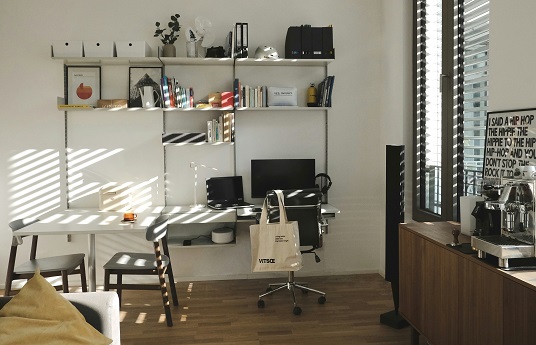
One popular choice is shelving units, which offer a versatile means of storage while maximizing vertical space. Open shelves allow easy access to books, office supplies, and decorative items, which can contribute to a more personalized and inspiring environment. Alternatively, closed shelving units can conceal clutter, keeping the workspace looking tidy and professional. When selecting shelving units, consider adjustable options that can accommodate items of various heights and sizes.
Filing cabinets present another excellent storage solution, particularly for professionals handling multiple documents or projects. These cabinets help in categorizing and storing paperwork efficiently. Opting for a multi-drawer filing cabinet can provide ample space for organizing essential documents in a systematic way, making it convenient to retrieve necessary files quickly. It is advisable to label each drawer accordingly, which further aids in maintaining an organized workspace.
Additionally, drawer organizers enhance the functionality of desks by keeping smaller office supplies such as pens, notepads, and sticky notes neatly arranged. This prevents chaos in workspaces and allows individuals to focus on their tasks without the distraction of searching for tools. By investing in suitable drawer organizers, one can ensure that items are easy to locate and readily available.
In conclusion, selecting proper storage solutions, including shelving units, filing cabinets, and drawer organizers, can significantly contribute to an organized and efficient home office. By ensuring that items are easily accessible and neatly stored, distractions can be minimized, thereby enhancing overall productivity.
Lighting: Creating the Right Atmosphere
Proper lighting is crucial in a home office as it significantly influences both productivity and comfort. The right lighting can improve concentration and reduce eye strain, ultimately enhancing the overall work environment. There are several types of lighting to consider when designing your home office, including natural light, desk lamps, and overhead lighting.
Natural light is often regarded as the most desirable form of lighting. It has a positive effect on mood and can contribute to energy levels throughout the workday. Whenever possible, position your desk near a window to maximize exposure to natural light. However, be mindful of glare on computer screens, which can detract from visibility. Installing sheer curtains can help diffuse the incoming light while minimizing harsh glare.
Complementing natural light with artificial lighting is also essential for creating an effective workspace. Desk lamps are versatile tools that provide focused light on tasks while allowing for flexibility in positioning. Choosing adjustable desk lamps can help tailor the light to specific needs, whether for reading or detailed tasks. It is advisable to select lamps with warm-colored bulbs, as they promote a comfortable atmosphere without being overly harsh on the eyes.
Overhead lighting serves as another important aspect of lighting design in a home office. Soft, ambient lighting from fixtures such as ceiling lights or pendant lamps can help eliminate shadows and create an evenly lit workspace. Opting for fixtures with adjustable brightness will afford greater control over illumination levels, thereby accommodating different tasks and times of the day.
Incorporating a balanced lighting setup that combines natural light, effective desk lamps, and soft overhead lighting is key to creating a conducive atmosphere for remote work. By ensuring that your home office is well-lit, you can reduce eye strain while fostering a productive work environment.
Technology: Essential Office Accessories
In today’s digital world, the effectiveness of a remote work setup heavily relies on the integration of the right technology accessories. These accessories not only facilitate better workflow but also contribute to overall comfort and productivity. Among the essential items that remote workers should consider, monitor stands are crucial. By elevating the screen to eye level, these stands mitigate neck strain and promote a more ergonomically sound posture during extended work hours.
Additionally, investing in high-quality computer peripherals is paramount. Keyboards and mice that are designed for ergonomic use can significantly enhance the typing experience, reducing fatigue and increasing efficiency. Wireless options provide added convenience, allowing for a tidier desk without the clutter of cords. Furthermore, the introduction of noise-cancelling headphones can improve concentration by minimizing background distractions, thereby fostering a more productive work environment.
Cable management solutions are another often-overlooked aspect of a functional home office. Properly organizing cables not only presents a cleaner appearance but also prevents potential hazards associated with tangled wires. Items like cable clips, sleeves, or boxes can keep charging cables and computer wires neatly arranged. This not only enhances aesthetic appeal but also contributes to a safer workspace.
To summarize, equipping a home office with the right technology accessories can significantly enhance the remote working experience. By integrating monitor stands, ergonomic peripherals, and effective cable management solutions, professionals can create an environment conducive to productivity and efficiency. Ultimately, thoughtful technology choices lead to a more organized and functional workspace that supports the demands of remote work.
Decor and Personalization: Making Your Office Inviting
Creating a compelling workspace is essential for maintaining productivity, especially in a remote work environment. Personalization plays a crucial role in transforming a standard home office into an inviting space that inspires creativity and enhances motivation. One effective way to achieve this is by incorporating wall art that resonates with your individual tastes. Artwork can invigorate the environment and serve as a source of inspiration, whether it’s motivational quotes, abstract pieces, or personal photographs.
In addition to wall art, integrating indoor plants is an excellent method for personalizing your office space. Plants not only improve air quality but also add a touch of nature that can uplift your mood. Consider choosing low-maintenance options such as succulents or snake plants, which can flourish in office conditions while requiring minimal care. The presence of greenery can create a calming atmosphere and aid in reducing stress, making your workspace more enjoyable.
Further personalization can be achieved through the inclusion of meaningful mementos—items that evoke positive memories or signify personal achievements. This could include awards, travel souvenirs, or family photos. Displaying such items can boost morale and foster a sense of belonging within your workspace. Additionally, customizing your office furniture with unique accessories like colorful desk organizers or personalized mouse pads can enhance functionality while reflecting your style.
Ultimately, the goal of decoration and personalization is to curate an environment that motivates you to work effectively. By thoughtfully selecting decor that resonates with your personality and enhances your productivity, your home office can become a place where inspiration flows freely.
Tips for Creating an Effective Home Office Layout
Designing an effective home office layout involves careful consideration of various factors, including room size, furniture arrangement, and functional zoning. The goal is to create a workspace that maximizes productivity while maintaining a pleasant aesthetic.
Firstly, one must assess the size of the available room. For smaller spaces, it is advisable to choose compact furniture that serves dual purposes, such as a desk that can also function as a shelving unit. Conversely, larger rooms can accommodate more elaborate setups, including additional storage units or specialized furniture, allowing for a more organized and efficient workspace.
Furniture arrangement plays a pivotal role in the effectiveness of the home office layout. Positioning the desk in a way that takes advantage of natural light from windows can significantly enhance the working environment, reducing eye strain and improving overall mood. Furthermore, ensuring that the desk is oriented towards the door can help in creating a focus point and may boost confidence by facilitating a sense of control over one’s environment.
Another essential aspect is zoning for different tasks within the workspace. For example, if the room allows, consider creating distinct areas for focused work, meetings, and relaxation. This not only helps in mentally separating different activities but also increases concentration and creativity. Using furniture to define these zones—such as a comfortable chair for reading or a small table for brainstorming—can significantly improve productivity.
Lastly, personalize your office with decor that inspires you. This could include wall art, plants, or personal items that motivate you. However, ensure that these decorations do not become distractions. A thoughtful blend of colors, materials, and layout will contribute to a cohesive design that enhances both functionality and appeal.