


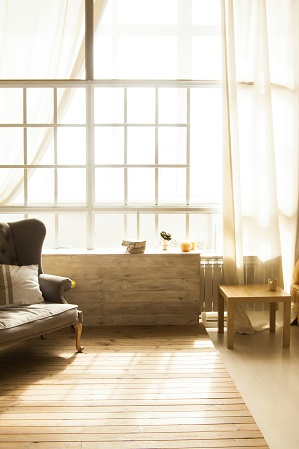
Introduction to Home Character
When discussing the essence of a home, the term ‘character’ is often used to describe the unique attributes and personality that define a living space. Home character encompasses a multitude of elements, from architectural features and furnishings to color palettes and decor styles. It is the amalgamation of these distinct aspects that contributes to an atmosphere that feels personal and inviting. One of the most significant reasons for cultivating character in a home is the capacity for self-expression. The way in which individuals choose to personalize their spaces serves as a reflection of their tastes, experiences, and values. This personalization transforms a mere house, which may be characterized by standardized features, into a warm and welcoming home that resonates with the inhabitants’ sense of identity. Beyond self-expression, character plays a crucial role in establishing the overall ambiance of a home. A space infused with character tends to evoke feelings of comfort and ease. Elements such as thoughtfully selected art pieces, heirloom furnishings, or even vibrant textiles convey a narrative that makes both residents and visitors feel at home. Furthermore, a character-rich environment often encourages engagement and hospitality, inviting family and friends to gather and share memorable experiences.
In essence, the character of a home significantly enhances its atmosphere, creating a distinguishing factor that sets it apart from others. By integrating personal touches and curated selections, homeowners can create a space that not only reflects their individuality but also fosters a sense of belonging and warmth. This investment in character ultimately contributes to the emotional well-being of its occupants, making daily life more enjoyable.
Incorporating Personal Artwork and Decor
Adding character to your home is an effective way to create a unique and inviting atmosphere. One of the most impactful methods of achieving this is through the integration of personal artwork and decor. Individual taste and style can be beautifully expressed through the selection of art pieces, photographs, and unique decor items. By curating a collection that resonates with your identity, you establish a living space that reflects your personality.
When considering personal artwork, it is beneficial to curate a collection that not only pleases your eye but also tells a story. This could involve selecting pieces from local artists, original artworks, or prints from your favorite sources. A thoughtful selection can transform a bare wall into a visually stimulating gallery that captivates guests and inspires conversations. Integrating artwork that highlights specific themes or colors can help tie your home decor together, further enhancing its character.
Creating a gallery wall is an excellent way to showcase your curated pieces. Consider mixing different types of artwork, such as framed photographs, paintings, and prints, in various sizes to create visual interest. Experiment with different layouts before settling on a design to ensure it captures your intended aesthetic. Pay attention to the spacing between pieces; consistent spacing creates harmony, while variegated arrangements can evoke a more eclectic vibe.
Additionally, don’t overlook the personal touch of family photographs. They can evoke cherished memories and instill a sense of belonging within the home. Utilize decorative frames or collage-style displays to feature these images prominently. In doing so, you create a warm and inviting environment that emphasizes family connections and personal history.
By thoughtfully incorporating personal artwork and decor, you can imbue your home with character and charm, making it not just a house, but a true reflection of yourself.
Utilizing Color and Textures
Colors and textures are pivotal elements that contribute significantly to the overall character of a room. The choice of colors can evoke various moods and feelings, ultimately influencing how one interacts with the space. For instance, warm colors such as reds, oranges, and yellows tend to create a cozy and inviting atmosphere, making them ideal for living rooms or kitchens where social interactions are frequent. In contrast, cooler colors like blues and greens can promote calmness and relaxation, making them suitable for bedrooms and personal retreats.
When selecting a color palette, it is essential to consider the psychological effects of each hue. Neutral tones, such as beige, gray, and taupe, often provide a versatile background that allows for the incorporation of vibrant accents. This approach not only keeps the room feeling spacious but also permits individual character through the addition of decorative items like cushions, artwork, and accessories.
Textures also play a crucial role in adding depth and richness to a room’s character. The combination of various materials can create a visually stimulating environment. For instance, mixing smooth surfaces like glass and metals with soft textiles such as velvet or knitted fabrics can generate a balanced and inviting look. Incorporating natural elements, such as wooden furniture or woven decor, adds an organic touch that not only enhances aesthetic appeal but also fosters a sense of comfort.
The thoughtful integration of colors and textures can transform a mundane space into a vibrant and personalized home. By strategically selecting palettes that resonate with the desired ambiance, complemented by diverse materials and finishes, it is possible to cultivate an inviting and unique character in any room.
Mixing Vintage and Modern Elements
Blending vintage pieces with modern furniture can create a distinctive character that enhances the overall aesthetic of your home. The juxtaposition of vintage and modern elements not only adds depth but also creates an inviting atmosphere that tells a story. To begin this creative journey, it is essential to first identify the style of modern furniture you wish to incorporate. Clean lines and minimalist designs typically characterize modern decor, while vintage pieces often feature intricate details and unique craftsmanship.
When sourcing vintage items, consider visiting local flea markets, antique shops, or online marketplaces that specialize in vintage goods. Look for pieces that resonate with you and complement your existing decor. A well-selected vintage item, such as a retro sofa or an ornate coffee table, can serve as a stunning focal point in a contemporary living space.
Once you have gathered a collection of vintage pieces, the next step is to integrate them thoughtfully within your home. One effective strategy is to create contrast by placing a bold vintage item against a neutral modern backdrop, such as a white wall or a sleek modern sofa. This contrast not only enhances the beauty of each piece but also prevents the space from feeling too cluttered. Additionally, incorporating modern accents, such as abstract art or minimalistic lighting, can help balance the ensemble, allowing both styles to coexist harmoniously.
Keep in mind that the key to successful blending lies in moderation. Start with one or two vintage items and allow them to complement the modern elements without overwhelming the space. Gradually, as you become more comfortable with the mix, you can add additional vintage accents, further enhancing your home’s character while maintaining a cohesive look.
Creating Distinctive Focal Points
A focal point is a key design element that draws attention and serves as the anchor for a room’s aesthetic. Establishing distinctive focal points in your home is essential for infusing character and enhancing visual interest. By strategically placing furniture, decor, and architectural features, you can create inviting spaces that reflect your personal style.
One effective way to create a focal point is through furniture arrangement. Positioning key pieces, such as a sofa or a beautiful coffee table, at the center of the room encourages flow and invites conversation. For instance, in a living room, orienting the seating around a striking piece of artwork or a fireplace can create a warm and welcoming atmosphere. Additionally, utilizing oversized furniture or a bold color palette can naturally emphasize certain areas, making them the central focus.
Standout decor items also play a crucial role in defining focal points. Consider incorporating a statement chandelier, a large mirror, or an eye-catching piece of art, as these elements command attention and contribute to the character of the space. When selecting decor, opt for pieces that resonate with your design aesthetic and complement the room’s overall theme. This harmony will enhance the space’s character and help maintain visual coherence.
Moreover, architectural features, such as exposed beams, arches, or an accent wall, can serve as exceptional focal points. These features not only highlight the room’s design but also add depth and dimension. If your home lacks architectural intrigue, consider adding features like crown molding or wainscoting to create a sense of elegance and refinement.
Incorporating distinctive focal points in your home is essential for crafting spaces that are both functional and character-rich. Through thoughtful furniture arrangement, standout decor, and the strategic use of architectural elements, you can bring depth and personality to your living areas, resulting in environments that truly feel like home.
Accessorizing with Textiles and Soft Furnishings
Textiles and soft furnishings play a pivotal role in enhancing the character and warmth of a home environment. The strategic use of items such as rugs, curtains, and cushions can transform any room from a mere space to a reflective expression of personal style. By selecting fabrics that resonate with your aesthetic, you can add unique depth and personality to your living areas.
Layering fabrics is a powerful technique to introduce complexity and warmth in your home decor. For instance, a plush area rug can serve as a foundation upon which a variety of cushions of different sizes and textures can be artfully arranged on furniture. Mixing materials, such as soft cottons with luxurious velvets, can create an inviting atmosphere. Consider using various patterns and colors to provide contrast; a floral print cushion paired with a geometric sofa can lead to a dynamic visual appeal, showcasing color coordination and an eye for design.
Another thoughtful approach is to utilize curtains for adding both functional and aesthetic value. Select curtains that complement the color palette of your space while also considering how light filters through them. Sheer fabrics can bring in natural light while maintaining privacy, creating an ethereal vibe. Alternatively, heavier drapes can provide a sense of coziness while also framing windows beautifully.
When choosing textiles, consider incorporating varied textures to engage the senses. A mix of knitted throws, smooth silk cushions, and soft cotton linens can elevate your home’s character. By thoughtfully accessorizing with textiles and soft furnishings, you can effectively convey a sense of style and comfort, making your living spaces truly your own.
Bringing Nature Indoors
Incorporating natural elements into your home decor is an excellent way to add character and warmth. Bringing nature indoors not only enhances aesthetic appeal but also fosters a refreshing atmosphere that promotes well-being. One effective way to achieve this is through the use of houseplants. Selecting the right plants is crucial; factors such as light availability, humidity levels, and the size of the space should all be considered. Low-maintenance plants like pothos, snake plants, or succulents are ideal for beginners, while vibrant flowering plants like orchids can serve as eye-catching focal points.
When arranging plants, consider their heights and shapes to create a balanced look. Tall plants can serve to anchor a space in a corner, while smaller plants can adorn coffee tables and shelves. Grouping plants in odd numbers often provides a more natural appearance; for instance, a trio of varying heights creates visual interest. Additionally, combining different textures and colors, such as glossy leaves alongside fuzzy ones, further enhances the indoor plant arrangement.
Moreover, the use of natural materials can significantly elevate your home’s character. Incorporating elements like wood, stone, and fibers into your decor can create an organic, cohesive look. For example, wooden furniture, stone coasters, or woven baskets can harmonize beautifully with houseplants, allowing the decor to feel more integrated and alive. Fabrics such as linen and cotton, combined with earthy color palettes, can complement the greenery while also adding depth and comfort to the overall design.
Overall, bringing nature indoors through thoughtfully chosen plants and natural materials contributes to a living space characterized by both beauty and tranquility. This approach invites a serene ambiance that resonates with the outside world, establishing a connection between indoor and outdoor environments.
Lighting as a Character Enhancer
The impact of lighting on a home’s atmosphere and overall character cannot be overstated. Effective lighting design is integral to not only illuminate spaces but also to enhance the aesthetic appeal and functionality of each room. Different types of lighting serve distinct purposes, and their strategic application can transform an environment from ordinary to extraordinary.
Ambient lighting serves as the foundation for any space, providing a uniform level of illumination that promotes safety and comfort. This type of lighting can be incorporated through overhead fixtures, wall-mounted units, or even natural light sources such as windows. By choosing fixtures that resonate with the home’s style, whether it be modern, rustic, or eclectic, homeowners can set an inviting tone that reflects their personality.
Task lighting is another crucial component, as it focuses on specific areas where practical activities occur, such as reading, cooking, or working. Desk lamps, pendant lights over kitchen islands, and under-cabinet lights in kitchens are excellent examples of task lighting options. These fixtures not only enhance functionality but also offer opportunities for individuality, allowing for the inclusion of distinct designs and styles.
Finally, accent lighting can add depth and drama to a space. This type of lighting highlights architectural features or artwork, drawing attention to specific elements. Wall sconces, track lighting, and strategically placed table lamps can provide the ambience needed to enhance a home’s character. Unique light fixtures, such as vintage chandeliers or contemporary metallic installations, bring an additional layer of interest, showcasing the owner’s taste and elevating the overall design.
Ultimately, the harmonious blend of ambient, task, and accent lighting fosters a balanced environment. By thoughtfully selecting lighting as a character enhancer, homeowners can create spaces that feel not only warm and inviting but also personalized and expressive.
Final Thoughts on Personalization
Creating a home imbued with character is an enriching journey that combines personal expression with thoughtful design. It is essential to recognize that the essence of a personalized space lies not only in large renovations or extravagant purchases but significantly in subtle, individual touches that reflect personal style. By incorporating personal elements such as cherished photographs, handcrafted decor, or unique art pieces, one can transform a standard living environment into a space that feels inherently personal.
Moreover, small adjustments such as selecting colors that resonate emotionally or choosing furnishings that tell a story can deepen the sense of ownership and comfort. These details can shape the overall ambiance, fostering an environment where one feels relaxed and inspired. For instance, integrating fabrics and patterns that evoke pleasant memories or showcase heritage can provide a sense of continuity and warmth.
It is imperative to remember that personalization is an ongoing process, allowing for evolution over time as preferences and experiences change. Each small addition or modification contributes to a cohesive narrative throughout the home, creating layers of character that invite appreciation from both residents and visitors alike. A home that exhibits such individuality often tells a story, revealing insights into the personalities and values of those who inhabit it.
Ultimately, the journey of personalizing a home is not solely about aesthetics; it is an expression of self that harmonizes with one’s lifestyle and experiences. Engaging in this heartfelt endeavor paves the way for a space that is not just lived in but is also cherished, promising the comfort of a true sanctuary that mirrors the occupant’s identity and experiences, thereby consistently resonating with their personal style.