


Understanding Your Skin Type
Identifying your skin type is a crucial step in establishing an effective skincare routine. Every individual has a unique skin type, which can be categorized into four primary types: oily, dry, combination, and sensitive. Understanding these classifications not only helps in selecting appropriate products but also plays an important role in addressing specific skin concerns.
Oily skin is characterized by excess sebum production, leading to a shiny appearance and a tendency for breakouts. Individuals with oily skin might find their pores appear larger, and they may need to choose lightweight, oil-free products. If you often deal with acne or have a noticeably shiny complexion throughout the day, it’s likely you have oily skin.
On the other hand, dry skin often leaves individuals feeling tight or flaky. This skin type lacks moisture and can exhibit rough patches and redness. To effectively care for dry skin, it is essential to select moisturizers that are rich in nourishing ingredients, as these help replenish the skin’s moisture barrier. If you experience discomfort, especially after washing your face, this may indicate you have dry skin.
Combination skin presents a unique challenge as it encompasses characteristics of both oily and dry skin. Typically, individuals notice oiliness in the T-zone (forehead, nose, chin) while experiencing dryness on the cheeks and other areas. This duality means that a balanced approach to skincare is required, often utilizing products that can address both concerns without exacerbating either.
Sensitive skin can react easily to various products, resulting in redness, irritation, or allergic reactions. Those with sensitive skin must exercise caution in choosing products, opting for gentle, hypoallergenic formulations. Common triggers can include fragrances, alcohol, and harsh additives, making it essential to examine labels thoroughly.
Recognizing your skin type is instrumental in optimizing your skincare regimen. Tailoring products and treatments to your specific skin type ensures better outcomes, ultimately leading to a healthier complexion. Therefore, it is advisable to conduct a simple skin assessment or consult with a skincare professional to accurately identify your skin type, ensuring that you are equipped to make informed choices that will benefit your skincare journey.
Establishing a Daily Routine
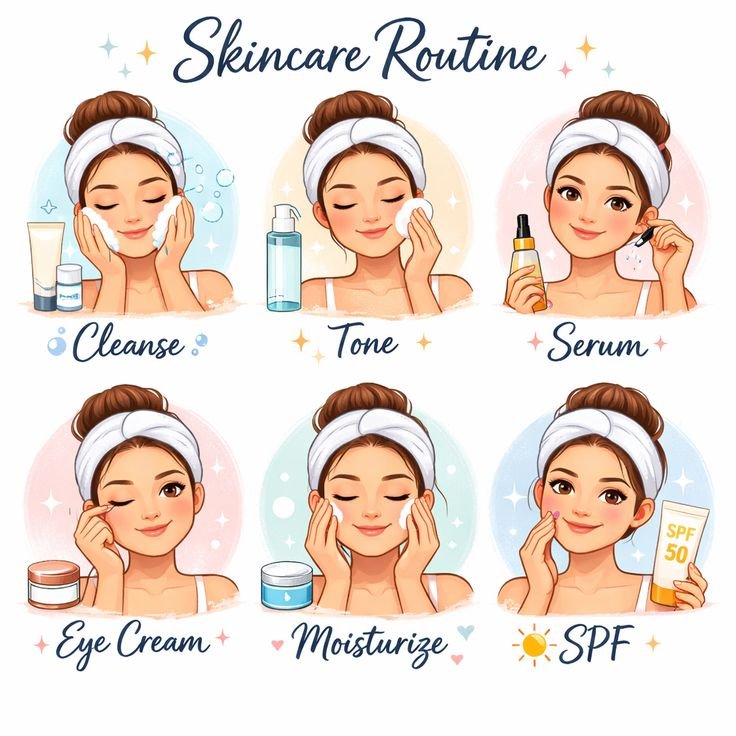
Creating an effective daily skincare routine is essential for maintaining healthy skin. Key components include cleansing, toning, moisturizing, and sun protection. Each step plays a vital role in ensuring your skin remains clean, hydrated, and protected from environmental damage.
The first step of any skincare regimen is cleansing. It is crucial to use a gentle cleanser twice a day—once in the morning and once before bedtime—to remove impurities, makeup, and excess oil. This practice helps to prevent clogged pores and breakouts while preparing your skin for subsequent products.
After cleansing, the next step is to apply a toner. Toning should also be performed twice daily following cleansing. Toners help to balance the skin’s pH, remove any residual impurities, and can provide additional hydration. When choosing a toner, consider ingredients that suit your skin type, such as soothing botanicals for sensitive skin or exfoliating acids for oily skin.
Following toning, moisturizing is essential for maintaining skin hydration. Apply a moisturizer in the morning and evening to nourish the skin and lock in moisture. For daytime use, choose a lightweight formula, while a richer cream can be applied at night for deeper hydration. Consistent moisturizing is vital, as it helps combat dryness and keeps the skin looking youthful.
Lastly, sun protection cannot be overlooked, especially during daytime routines. Applying a broad-spectrum sunscreen with at least SPF 30 every morning is imperative. This protects against harmful UV rays that can lead to premature aging and skin cancer. Regardless of the weather or your plans for the day, incorporating sun protection is essential to safeguard your skin’s health.
Consistency in following these steps—cleansing, toning, moisturizing, and applying sunscreen—is key to achieving desired skincare results. Establishing a daily routine not only helps to improve the appearance and texture of your skin but also contributes to its overall health.
Incorporating Exfoliation
Exfoliation plays a vital role in a well-rounded skincare routine. It involves the removal of dead skin cells from the surface of the skin, allowing for better absorption of skincare products and enhancing the overall appearance of the skin. There are two primary methods of exfoliation: physical and chemical. Each offers unique benefits and can be tailored to individual skin types and needs.
Physical exfoliation involves the use of abrasive substances, such as scrubs or brushes, that manually slough away dead skin. Products containing natural exfoliants like sugar or salt, as well as tools like facial brushes, are common in this category. While physical exfoliation can provide immediate results and leave the skin feeling smooth, it is essential to choose products that are gentle to avoid irritation or microtears in the skin.
Chemical exfoliation, on the other hand, utilizes acids or enzymes to dissolve dead skin cells. This method can be particularly beneficial for those with sensitive skin or conditions such as acne. Ingredients like alpha-hydroxy acids (AHAs) and beta-hydroxy acids (BHAs) penetrate the skin to facilitate exfoliation without requiring manual scrubbing. Chemical exfoliants can yield more profound changes in skin texture and tone over time.
The frequency of exfoliation largely depends on skin type and age. Generally, those with oily or thicker skin can tolerate exfoliating two to three times per week, while individuals with dry or sensitive skin should limit exfoliation to once a week. Additionally, as skin ages, cell turnover slows down, so older individuals may benefit from incorporating exfoliation into their routine more frequently, but they should consider gentler options to prevent over-exfoliation.
In conclusion, whether opting for physical or chemical exfoliation, understanding one’s skin type and implementing the appropriate method and frequency can significantly enhance your skincare routine, promoting a healthier and more radiant complexion.
Choosing the Right Products
When it comes to developing an effective skincare routine, the selection of appropriate products is crucial. With a plethora of options available on the market, understanding how to choose the right skincare products can significantly impact your skin’s health and appearance. This process begins with a fundamental practice; always read the labels of the products you are considering. Labels often provide valuable information about the formulations and active ingredients that can help target specific skin concerns.
Active ingredients are the core assets in skincare products that offer tangible benefits. For example, if you have dry skin, look for products containing hyaluronic acid, glycerin, or ceramides, as these ingredients are known for their hydrating properties. Conversely, if you are prone to acne, salicylic acid and benzoyl peroxide may be essential components to include as they help to unclog pores and reduce breakouts. Understanding the role of these ingredients is vital in selecting products that will effectively address your unique skin condition.
In addition to focusing on active ingredients, it is wise to consider the product categories essential for a complete skincare regimen. Start with a gentle cleanser that suits your skin type; for instance, gel cleansers are generally beneficial for oily skin, while cream-based cleansers work well for dry skin types. Follow this with a toner, which can help restore your skin’s pH balance and prepare it for better absorption of subsequent products.
Moisturizers come next, and choosing one that aligns with your skin type is important—lightweight lotions for oily skin and thicker creams for dry skin. Sunscreen is a non-negotiable component of day-to-day skincare, regardless of the season. A broad-spectrum SPF helps protect against harmful UV rays and prevents premature aging.
In conclusion, selecting skincare products with a focused approach can lead to a more effective regimen. By educating yourself on the key ingredients and employing a thoughtful methodology in choosing essential products, you can enhance your skincare routine significantly. This foundational knowledge will empower you to make informed decisions that cater specifically to your skin’s needs.
Hydration: The Key to Healthy Skin
Maintaining adequate hydration is crucial for achieving and preserving healthy skin. Not only does hydration improve the skin’s appearance by promoting elasticity, but it also serves as a barrier against environmental stressors, helping to prevent issues such as dryness and premature aging. Hydration can be achieved both through topical products and through drinking sufficient amounts of water.
Topical hydration can be provided by a variety of skincare products designed to infuse moisture into the skin. Ingredients such as hyaluronic acid, glycerin, and aloe vera have become popular for their ability to attract and retain water within the skin’s layers. Hyaluronic acid, for instance, can hold up to 1,000 times its weight in water, making it a powerful humectant that draws moisture from the environment into the skin. Similarly, glycerin works by pulling water into the outer layer of the skin, ensuring that it remains supple and hydrated.
In addition to these effective ingredients, products containing ceramides can help to strengthen the skin barrier, preventing moisture loss and improving overall skin texture. These lipids help retain hydration and keep the skin plump, making ceramide-infused moisturizers an essential addition to a thorough skincare routine.
However, topical applications alone cannot fully replace the need for systemic hydration. Drinking adequate water throughout the day is equally essential for promoting skin health. When the body is well-hydrated, it can more effectively flush out toxins and supply nutrients necessary for maintaining skin vitality. Moreover, hydration from within helps to keep skin cells functioning optimally, which contributes to a radiant complexion.
To optimize skin hydration, it is recommended to layer hydrating products over a freshly cleansed face while the skin is still damp. This technique, combined with proper water intake, ensures a holistic approach to skincare that effectively combats moisture loss and promotes long-lasting hydration.
The Role of Nutrition in Skin Health
Nutrition plays a fundamental role in maintaining and enhancing the health and appearance of the skin. The food we consume significantly influences our skin’s vitality, texture, and overall condition. A well-balanced diet rich in essential nutrients can contribute to radiant and youthful skin.
Certain vitamins and minerals are particularly beneficial for skin rejuvenation. For instance, Vitamin C is a powerful antioxidant that helps in collagen production, which is crucial for skin elasticity and firmness. Citrus fruits like oranges and grapefruits, as well as berries, are excellent sources of Vitamin C. Additionally, Vitamin E, found in nuts and seeds, aids in protecting skin cells from damage caused by free radicals.
Omega-3 fatty acids are also important for skin health. These healthy fats, commonly found in fatty fish like salmon and walnuts, help maintain skin hydration and reduce inflammation, contributing to a smoother complexion. Moreover, antioxidants such as beta-carotene, found in sweet potatoes and carrots, can help improve skin tone and protect against sun damage.
Another critical element for skin health is staying hydrated. Drinking ample water helps maintain skin moisture and elasticity, reducing the appearance of fine lines and wrinkles. Incorporating hydrating foods such as cucumbers, watermelon, and leafy greens can further enhance skin hydration.
On the other hand, diet can also have a negative impact on skin health. High sugar intake and processed foods may lead to increased acne breakouts and skin irritations. Therefore, focusing on a diet rich in whole foods, including fruits, vegetables, lean proteins, and healthy fats, can significantly improve not only skin appearance but overall health.
In conclusion, adopting a nutrient-rich diet is essential for achieving healthy skin. By incorporating specific vitamins, minerals, and hydration, individuals can enhance their skincare routine and promote a radiant complexion.
Sun Protection Essentials
Sun protection is a fundamental aspect of any effective skincare routine, playing a vital role in preventing skin damage and premature aging. Exposure to ultraviolet (UV) radiation from the sun can lead to various skin issues, including sunburn, dark spots, and an increased risk of skin cancer. Therefore, incorporating an appropriate SPF product is essential for maintaining healthy skin.
When selecting SPF products, one should consider the Sun Protection Factor rating. The American Academy of Dermatology recommends using a broad-spectrum sunscreen with an SPF of 30 or higher. Broad-spectrum refers to the sunscreen’s ability to protect against both UVA and UVB rays. UVA rays contribute to skin aging while UVB rays primarily cause sunburn. For daily use, a sunscreen that combines both types of protection is ideal.
There are various forms of sun protection products available, including lotions, creams, gels, sprays, and sticks. Lotions and creams tend to be more moisturizing and are often suitable for dry skin types, while gels may be preferable for those with oily skin due to their lightweight texture. Sunscreen sprays are convenient for reapplication throughout the day, making them popular. Furthermore, for specific areas like the face, lip balms with SPF can provide essential protection.
To ensure effective sun protection year-round, it is crucial to apply sunscreen even on cloudy days, as up to 80% of UV rays can penetrate clouds. Additionally, one should remember to reapply sunscreen every two hours or immediately after swimming or sweating. Besides using topical products, physical barriers such as wide-brimmed hats and UV-protective clothing can enhance protection against harmful sun exposure.
Incorporating sun protection into your daily skincare routine is indispensable. By understanding the importance of SPF and selecting the right products, you can take proactive steps in safeguarding your skin against the adverse effects of the sun, ensuring long-term skin health.
Adapting Your Routine with the Seasons
The changing seasons can have a significant impact on the condition of your skin. Each season brings its own set of environmental factors that can affect moisture levels, skin texture, and overall health. As temperatures fluctuate, it becomes essential to adapt your skincare routine accordingly to maintain a healthy complexion.
During the winter months, cold air and low humidity can lead to dry skin. This may necessitate the use of thicker, more emollient creams to combat this dryness. Opting for products containing ingredients like hyaluronic acid, glycerin, or natural oils can help lock in moisture and provide a protective barrier against harsh elements. You might also want to consider incorporating a humidifier into your home, as this can help maintain moisture levels in the air.
In contrast, summer often brings heat and humidity, which can lead to excess oil production and breakouts. For this reason, you may need to switch to lighter, non-comedogenic moisturizers that won’t clog pores. Gel-based formulas, rich in antioxidants and water, can offer hydration without feeling heavy on the skin. Moreover, it’s crucial to increase your use of sunscreen during this season, as sun exposure can lead to premature aging and other skin issues.
Spring and fall serve as transitional periods where you may experience fluctuations in skin condition. For spring, when allergens can affect your skin and contribute to irritation, consider using soothing products that contain anti-inflammatory ingredients, such as aloe vera or chamomile. Meanwhile, in the fall, as temperatures decrease, it may be beneficial to reintroduce more hydrating components back into your skincare regimen to prepare your skin for the dry months ahead.
By recognizing how seasonal changes influence skincare needs, you can adjust your routine effectively and maintain healthy, radiant skin year-round.
When to Seek Professional Help
While many skincare issues can be managed at home with proper care and over-the-counter products, there are specific scenarios where consulting a dermatologist or skincare professional is advisable. Recognizing when to seek their expertise can greatly benefit your skin’s health and overall appearance.
Individuals experiencing persistent skin issues such as severe acne, eczema, or psoriasis should consider seeking professional advice. These conditions can lead to significant discomfort and may require specialized treatment plans tailored to individual skin types. Dermatologists are equipped to prescribe medications that manage these conditions more effectively than standard products available at retail outlets.
Another common reason for consulting a skincare professional involves sudden changes in the skin’s appearance, such as new moles, skin growths, or changes in existing moles. These changes can sometimes indicate skin cancer or other serious skin conditions. Early detection is crucial, making it a priority to discuss any concerning changes with a dermatologist as soon as they arise.
Moreover, individuals struggling with signs of aging, such as wrinkles, sun spots, or loss of elasticity, may benefit from professional analysis. Skincare experts can offer advanced treatments and procedures, such as chemical peels, laser therapy, or personalized skincare regimens, designed to combat these signs effectively.
Some conditions, like rosacea or chronic redness, may also necessitate professional intervention. A trained dermatologist can diagnose these issues accurately and suggest targeted treatment methods, which may include prescription creams or laser treatments that typically yield higher efficacy than standard topical solutions.
In certain instances, a skincare professional can evaluate the relationship between skin issues and underlying health problems. Hormonal imbalances, for example, can manifest in various skin conditions, warranting a referral to other health specialists, if necessary.
Ultimately, while at-home skincare routines and over-the-counter products are vital for maintaining skin health, consulting a dermatologist or skincare professional is crucial when faced with ongoing issues, significant changes, or the desire for advanced treatments. The right guidance can lead to significant improvements and long-lasting skin health.