


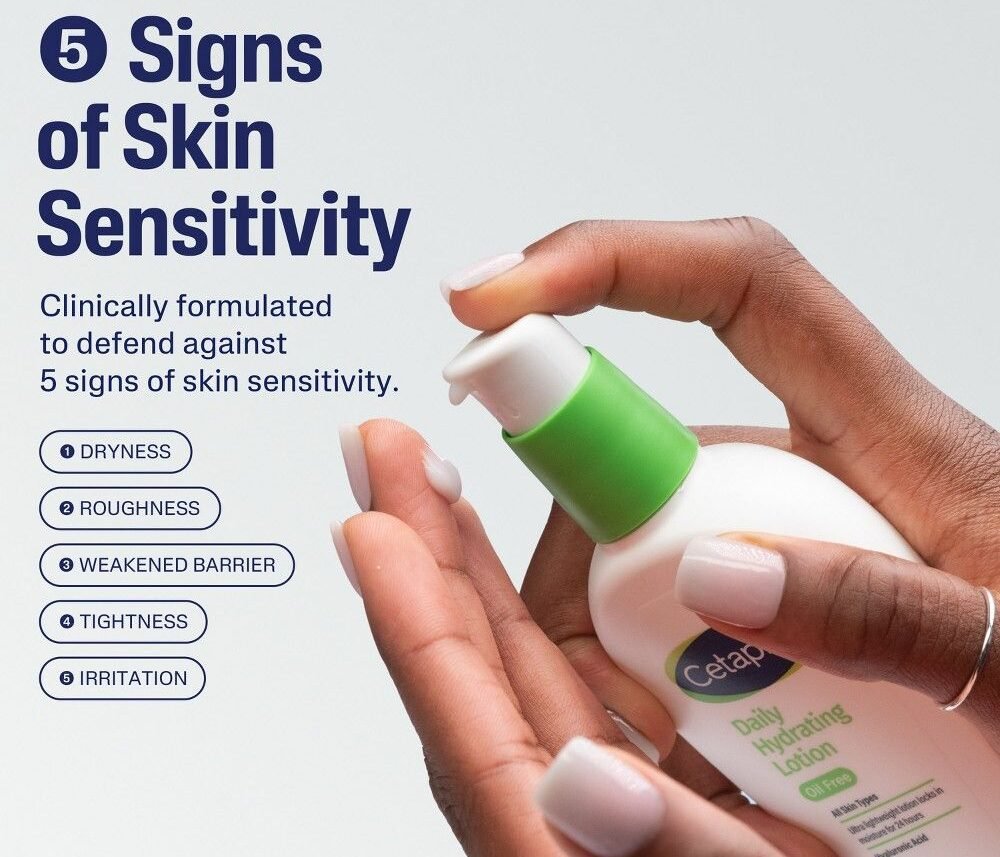
Understanding Sensitive Skin
Sensitive skin is often defined by its heightened reactivity and tendency to exhibit discomfort in response to various external stimuli. Individuals with sensitive skin may experience symptoms such as redness, itching, burning sensations, or dryness, which are indicative of skin irritation. This skin type can be particularly challenging to manage due to its unique characteristics, which distinguish it from other skin types, such as oily, dry, or combination skin. The physiological factors affecting sensitive skin commonly include a compromised skin barrier, which may allow irritants to penetrate more easily. When the skin’s natural protective barrier is weakened, it becomes more vulnerable to allergens and environmental factors. This condition can result from genetic predisposition or external factors such as weather conditions, harsh skincare products, or certain fabrics.
Common causes of sensitive skin can vary widely. Environmental triggers such as extreme temperatures, UV radiation, and pollution can exacerbate sensitivity. Additionally, the use of cosmetic products containing alcohol, fragrances, or harsh chemicals may lead to reactions. Other underlying health conditions, such as eczema or rosacea, can also contribute significantly to skin sensitivity, causing more pronounced symptoms.
Understanding the distinct features of sensitive skin is essential for effective management. It is crucial to recognize that this condition is not solely a cosmetic issue; sensitive skin requires gentle care and attention. Individuals may find that their skin reacts differently to various products and environmental conditions, necessitating a personalized approach to skincare. By being aware of common triggers and physiological sensitivities, those with sensitive skin can take proactive steps to avoid irritants and maintain healthy skin.
Daily Skincare Routine for Sensitive Skin
Establishing a daily skincare routine for individuals with sensitive skin is essential for maintaining skin health and preventing irritation. The key is to choose products that are gentle and specifically formulated for such skin types. Here is a recommended skincare routine that incorporates mild, fragrance-free options throughout each step.
Cleansing: Begin your routine with a gentle, sulfate-free cleanser that effectively removes impurities without stripping the skin of its natural oils. Look for cleansers labeled as hypoallergenic or formulated for sensitive skin. Products containing ingredients like aloe vera or chamomile can be soothing and help reduce redness during the cleansing process.
Moisturizing: After cleansing, apply a moisturizer that is devoid of fragrances and harsh additives. A hydrating and soothing moisturizer containing ingredients such as hyaluronic acid or ceramides can bolster the skin’s barrier function and keep it hydrated throughout the day. For sensitive skin, a thicker cream or balm may be more beneficial, especially during cold or dry weather.
Sun Protection: Protecting sensitive skin from sun damage is vital, so incorporating a broad-spectrum sunscreen is essential. Choose a physical sunscreen that contains zinc oxide or titanium dioxide, as these ingredients are less likely to irritate sensitive skin compared to chemical sunscreens. Apply this product generously and reapply throughout the day, particularly during prolonged sun exposure.
Additionally, when selecting products, individuals with sensitive skin should be vigilant about reading labels and avoiding common irritants like alcohol, synthetic fragrances, and harsh active ingredients. Patch testing new products on a small area of skin can also help determine tolerance before full application.
In conclusion, adopting a skincare routine tailored for sensitive skin involves careful selection of gentle products and a consistent approach. By emphasizing mild, fragrance-free formulations throughout the cleansing, moisturizing, and sun protection steps, individuals can significantly enhance their skin’s well-being and comfort.
Managing Skin Irritation and Reactions
Sensitive skin can often react negatively to various environmental factors, products, or even lifestyle choices. To effectively manage skin irritation, it is essential to adopt a systematic approach that minimizes discomfort and promotes healing. One of the primary strategies involves identifying and avoiding triggers that exacerbate skin reactions. Common irritants include harsh soaps, fragrances, and certain fabrics. Hence, it is advisable to use mild, hypoallergenic formulations that are specifically designed for sensitive skin.
Additionally, dealing with specific reactions such as redness, dryness, or itching requires targeted solutions. For redness, cooling agents like aloe vera or chamomile can provide immediate relief. Similarly, dry skin may benefit from rich moisturizers that contain ingredients like ceramides or hyaluronic acid, which help retain moisture and fortify the skin barrier. Itching is often a sign of inflammation, and soothing balms containing calamine or colloidal oatmeal can effectively alleviate this discomfort.
Moreover, patch testing new products before broad application is an indispensable practice for those with sensitive skin. This involves applying a small amount of product on a discreet area of the skin to observe any adverse reactions before using it fully. This simple step can save a person from potential irritation and help them make informed choices.
Home remedies also play a significant role in calming irritated skin. Natural options like coconut oil or honey can be beneficial due to their anti-inflammatory properties. Incorporating calming ingredients into daily routines can enhance skin resilience over time, contributing to improved texture and tone.
In conclusion, managing sensitive skin involves recognizing irritants, employing soothing treatments, and maintaining a consistent skincare regimen that prioritizes gentleness. By following these strategies, individuals can minimize irritation and help promote healthier skin.
Lifestyle Tips for Sensitive Skin
Managing sensitive skin requires a holistic approach, encompassing various lifestyle changes that can promote skin health. A balanced diet plays a significant role in the quality and resilience of sensitive skin. Foods rich in antioxidants, vitamins, and omega-3 fatty acids can help reduce inflammation and build a strong skin barrier. Incorporating fruits, vegetables, nuts, and fatty fish into daily meals can provide the necessary nutrients that support skin health.
Hydration is another essential factor. Drinking an adequate amount of water throughout the day helps maintain skin moisture from the inside out. Proper hydration can alleviate dryness and irritation commonly associated with sensitive skin. It is advisable to drink at least eight glasses of water daily, or more depending on individual needs, to keep skin hydrated and functioning optimally.
Stress management is also crucial. High levels of stress can exacerbate skin issues, leading to flare-ups and increased sensitivity. Engaging in activities that promote relaxation, such as yoga, meditation, or even regular exercise, can significantly benefit both mental health and skin condition. These practices help in reducing cortisol levels in the body, which is linked to skin irritation and breakouts.
Environmental factors must not be overlooked. Minimizing excessive sun exposure is vital; harmful UV rays can cause skin damage and irritation. Wearing protective clothing and using sunscreen with a high SPF can shield sensitive skin from the sun’s harmful effects. Furthermore, opting for breathable fabrics like cotton can prevent irritation and allow the skin to maintain its natural moisture balance.
Incorporating these practical tips into daily routines can lead to healthier skin. By focusing on a nutritious diet, staying hydrated, managing stress, and addressing environmental factors, individuals with sensitive skin can adopt a proactive approach to their skincare. These adjustments can create a supportive environment for the skin to thrive and reduce instances of sensitivity.