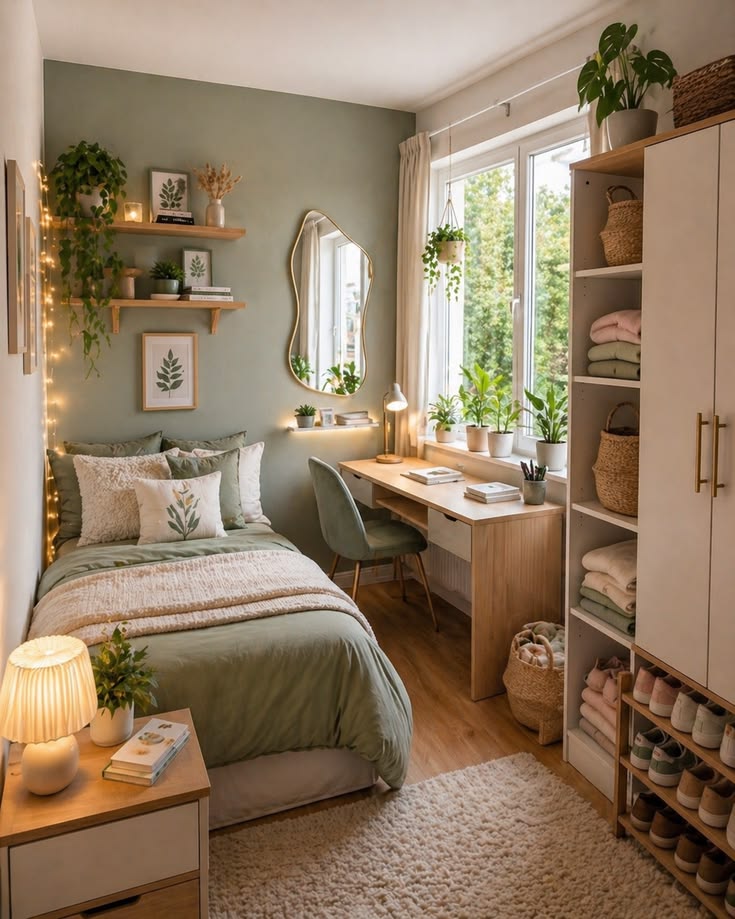
Understanding the Challenges of Small Bedrooms
Decorating small bedrooms presents unique challenges that can significantly impact both their functionality and aesthetic appeal. One of the foremost issues is the limited space available. Small bedrooms often restrict the choice of furniture size and shape, making it essential to select items that maximize usability without overwhelming the area. For instance, opting for multi-functional furniture, such as a bed with built-in storage or a desk that can serve as a nightstand, can help alleviate the issues posed by cramped quarters.
Furthermore, the need for functionality within a small bedroom cannot be overstated. Every piece of furniture and decorative element must serve a purpose while contributing to the overall atmosphere of the room. This requires careful planning and consideration to ensure that the space remains livable. Designers often recommend creating designated zones within small bedrooms to help organize various activities, such as sleeping, studying, or relaxing. This allows for better space management, ensuring that the room is both stylish and practical.
Creating a sense of style without overcrowding the room is another significant challenge. In small bedrooms, it is crucial to strike a balance between decorative elements and open space. An overcrowded room can feel chaotic and uncomfortable, undermining the coziness typically associated with a bedroom. Utilizing light color palettes, reflective surfaces, and strategic placement of decor can help to create an illusion of depth and openness. It is also important to avoid excess accessories, opting instead for a few carefully selected pieces that reflect personal style while maintaining a sleek, uncluttered look.
Maximizing Vertical Space
In small bedrooms, the effective use of vertical space can significantly enhance both storage and aesthetic appeal. When floor space is limited, it is essential to look upwards to create a more organized and visually appealing environment. One practical idea is incorporating tall bookshelves that draw the eye upward while providing ample storage for books, decorative items, or even clothing. Opting for shelves that reach the ceiling can maximize utility without compromising floor area.
Wall-mounted fixtures are another excellent option for maximizing vertical space. Consider wall-mounted nightstands, which not only save space but also add a modern touch to the bedroom. By elevating nightstands off the floor, one can make the room feel more spacious while offering room for essential items such as lamps, books, or personal belongings. Wall-mounted lighting can further enhance this effect, providing illumination without the bulkiness of traditional lamps.
Incorporating vertical gardens is an innovative way to bring nature into small bedrooms while efficiently utilizing wall space. Vertical planters can be attached to the walls, creating a stunning green display that requires minimal horizontal space. This approach not only beautifies the room but can also improve air quality and create a serene atmosphere. Utilizing climbing plants or shelf plants allows individuals to have a lively element in their bedroom without overwhelming the existing layout.
By incorporating these strategies—tall bookshelves, wall-mounted fixtures, and vertical garden ideas—homeowners can transform their small bedrooms into functional, organized, and inviting spaces. Each of these elements works harmoniously to maximize vertical space, creating an illusion of greater width while enhancing style and storage capabilities.
Color Schemes to Create Illusion of Space
In the realm of interior design, color plays a vital role in establishing the ambiance of a room. Particularly in small bedrooms, choosing the right color palette can significantly influence how spacious the area appears. Light and neutral hues, such as soft whites, pale grays, and muted beiges, are often recommended for creating a sense of openness. These colors reflect light, making walls seem further away, thus enhancing the room’s overall perception of space.
Incorporating pastel shades can complement a neutral palette while still steering clear of an overwhelming aesthetic. Colors like light blue, soft green, and gentle lavender maintain a calming effect, perfect for a bedroom environment. Furthermore, utilizing a monochromatic scheme—where various shades of the same color are employed—can create depth and interest without crowding the visual space.
For those seeking to infuse personality into their small bedrooms, accent colors offer an excellent solution. It is essential, however, to use them judiciously. Consider incorporating vibrant accessories like cushions, artwork, or a bedside lamp, as these can create focal points without dominating the room. Strategic placement of these accents can draw the eye upwards or to a specific feature, further enhancing the illusion of height and space.
Moreover, patterns can contribute positively when used in moderation. Opting for subtle, small-scale patterns may help maintain an airy feel, whereas large, bold patterns can make a room feel cramped. Vertical stripes, for example, can elongate walls and create the impression of higher ceilings. When selecting textiles or wallpapers, keeping the overall color scheme in mind will ensure a cohesive and spacious look.
Incorporating Multi-functional Furniture
In small bedrooms, the challenge of maximizing space while maintaining comfort and style necessitates innovative solutions. One effective approach is the incorporation of multi-functional furniture. This type of furniture not only conserves space but also enhances the functionality of a room, making it more accommodating for various activities.
For instance, a sofa bed serves dual purposes as both seating and a sleeping arrangement, saving valuable floor space during the day while providing a comfortable bed at night. This versatility is particularly beneficial in compact living environments, where every square foot counts. Similarly, storage ottomans can be used as footrests or extra seating, while simultaneously providing hidden storage for blankets, books, or other items. This approach to furniture can significantly reduce clutter, allowing for a more serene bedroom atmosphere.
Another practical example of multi-functional furniture is the bed frame with built-in drawers. This design offers additional storage for clothing, linens, or other personal items, effectively utilizing the often-overlooked space underneath the bed. By opting for such designs, individuals living in small bedrooms can alleviate the need for bulky dressers or standalone storage units that typically occupy floor area.
Incorporating these versatile pieces allows for a streamlined aesthetic while maximizing storage options. Multi-functional furniture not only helps to declutter a small bedroom but also promotes a sense of organization and tranquility. When selecting furniture, it is crucial to choose items that seamlessly blend style and practicality, ensuring that each piece contributes to both the aesthetic appeal and functionality of the space.
Creative Lighting Solutions
Lighting plays a vital role in the overall atmosphere and functionality of small bedrooms, serving not only as a practical feature but also as a means to enhance aesthetics. One effective approach to lighting in limited spaces is layered lighting, which incorporates various sources of light to create depth and interest. This can include ambient lighting, task lighting, and accent lighting, ensuring that the room is well-illuminated while also allowing for flexibility based on activities at different times.
For ambient lighting, consider ceiling fixtures that diffuse light evenly, such as flush mounts or ceiling fans with light kits. Supplementing these with task lighting, such as bedside lamps or wall-mounted sconces, can provide specific lighting for reading or other activities. Accent lighting, like LED strip lights or spotlights, can be used to highlight artwork or architectural features, drawing attention to these areas while adding warmth to the space.
Another effective method to maximize light in small bedrooms is to use mirrors strategically. Mirrors can reflect available light sources, making a room feel brighter and more spacious. Placing mirrors opposite windows can amplify natural light, thereby utilizing external light effectively and reducing the reliance on artificial sources during the day. Additionally, mirrored furniture or decor can contribute to the illusion of space and enhance the room’s overall brightness.
Natural light is an invaluable asset in small bedrooms. Whenever possible, choose light and airy window treatments that can be fully drawn back during the day, allowing sunshine to flood in. Light-filtering shades can provide privacy while still allowing ample daylight to illuminate the room. By recognizing the importance of these creative lighting solutions, small bedrooms can transform into beautifully lit sanctuaries, enhancing both their functionality and aesthetic appeal.
Using Mirrors to Enhance Space
In the quest to make the most of a small bedroom, mirrors serve as a remarkably effective decorative tool. Their reflective properties can create an illusion of depth and space, transforming an otherwise cramped area into a more open and airy environment. By strategically placing mirrors within a small bedroom, one can significantly change the visual dynamics, making the room appear larger than it actually is.
When selecting mirrors for small bedrooms, consider those with thinner frames or frameless designs, as they tend to take up less visual space. Large, statement mirrors can also be beneficial, but they should be used wisely; positioning a large mirror across from a window can amplify natural light and enhance the brightness of the room. Moreover, mirrors with unique shapes or designs can serve as focal points, adding character without overwhelming the space.
Design ideas for positioning mirrors effectively include placing them above dressers or nightstands to reflect the room’s decor elegantly. Hanging a mirror on a wall opposite the bed can also create a sense of depth, tricking the eye into perceiving more space. Additionally, incorporating mirrored furniture, such as bedside tables or accent chairs, can further expand on the reflective theme, enhancing the room’s perceived dimensions.
Incorporating mirrors not only contributes to space enhancement in small bedrooms but also adds a stylish element to the overall decor. By understanding the types of mirrors that suit this setting and utilizing thoughtful positioning strategies, one can significantly improve the ambiance and functionality of a confined living area.
Personal Touches and Decor Accents
When it comes to decorating small bedrooms, the inclusion of personal touches and decor accents plays a crucial role in establishing a welcoming and individualized space. By carefully selecting items that resonate with your personality, you can create a unique atmosphere that reflects your tastes while maintaining comfort and functionality.
One effective way to achieve this is through the use of statement artwork. A bold piece of art can serve as a focal point, drawing the eye and adding depth to the room. Whether it is a painting, a photograph, or a unique print, the right artwork can convey your sense of style and spark conversation. Place it strategically above a bed or a small dresser to make a striking impact without overpowering the limited space.
In addition, decorative pillows and throws can transform a plain bedding setup into a cozy haven. Opt for varying textures and colors that complement the overall theme of the bedroom. By layering pillows of different sizes and incorporating soft throws, you enhance comfort while lending a touch of warmth to the decor. This not only makes the room more inviting but also allows for easy updates according to changing trends or seasons.
Furthermore, incorporating meaningful souvenirs or treasured items can personalize your small bedroom significantly. These could be travel mementos, family heirlooms, or handcrafted pieces that tell a story. Displaying these items creatively can contribute to the uniqueness of your space while avoiding chaos. Shelves, wall-mounted display cases, or even a dedicated corner can beautifully exhibit these personal treasures, ensuring that each piece is visible and appreciated.
Ultimately, balancing personal touches with the limited space is key. By thoughtfully integrating decor accents, you can cultivate a small bedroom that exemplifies both warmth and individuality, making it a true reflection of your style.
Organization Tips for a Clutter-free Bedroom
Maintaining a clutter-free and organized bedroom can significantly enhance the overall atmosphere and functionality of the space, especially in smaller settings where every inch counts. One effective method for maximizing space is to utilize under-bed storage. This often-overlooked area offers a perfect opportunity for storing seasonal clothing, shoes, or extra linens. Investing in stackable storage bins or rolling drawers can keep these items out of sight while still being easily accessible when needed.
Closet organization is another critical aspect of optimizing storage in small bedrooms. Implementing a systematic approach to your closet can free up valuable space elsewhere in the room. Consider adding tiered hangers, which can increase hanging space for tops and trousers, while multi-compartment organizers can help separate accessories. Employing vertical space by installing shelves high above clothing racks can also provide additional storage without infringing on floor space.
Engaging decorative baskets serves a dual purpose by combining practicality with style. These baskets not only offer a charming aesthetic touch but also serve as an effective means to corral items that tend to accumulate throughout the bedroom. By categorizing and storing small items—such as books, magazines, or personal belongings—within these attractive containers, you can maintain visual order while ensuring that essential items remain within easy reach.
Additionally, minimizing the number of decorative objects can contribute to a more serene environment. Limit personal items on display to a select few meaningful pieces that enhance the room’s ambiance. This creates a sense of calm while affording more surface area for practical use. By implementing these organizational tips, small bedrooms can be transformed into tidy, functional sanctuaries.
Showcase of Small Bedroom Inspirations
Transforming a small bedroom into a stylish and functional space can seem challenging, yet it is frequently accomplished with creativity and thoughtful design. This section presents a curated selection of small bedroom inspirations that embody a variety of styles and design techniques, showcasing how real-life individuals have turned limited square footage into cozy sanctuaries.
One compelling example comes from a couple who embraced a minimalistic approach to their small bedroom. They opted for a muted color palette, which visually enlarges the space. By incorporating multi-functional furniture, such as a bed with built-in storage underneath, they maximized their utility without cluttering the room. This design strategy not only enhanced the room’s aesthetic but also made it more livable. Before-and-after photos reveal a dramatic transformation that highlights the power of simplicity.
Another inspiring case involves the utilization of vertical space. A homeowner turned to wall-mounted shelves and hanging plants to create an illusion of height. These design elements serve both decorative and functional purposes, allowing for storage without sacrificing floor space. The space now exudes a fresh and vibrant atmosphere, demonstrating that creativity is key in small bedroom design.
Quotes from these homeowners illustrate their emotional connection to their redesigned spaces. For instance, one individual shared, “I never thought I could make my small bedroom feel so spacious and inviting, but with a little imagination, I created a retreat that feels uniquely mine.” Such experiences resonate with others who may be in similar situations, proving that with the right ideas and inspiration, even the tiniest spaces can be transformed into beautiful, personal havens.
Through various styles, these real-life examples encourage readers to explore their own design possibilities, illustrating that small doesn’t mean limited—rather, it opens the door to innovative and stylish living solutions.