Structural Remodel vs. Cosmetic Home Exterior Renovation
Your home’s exterior is more than just a facade; it’s the first impression it makes. It also plays a vital role in protecting your investment and enhancing your daily living. A well-planned exterior renovation can dramatically boost your property’s curb appeal, increase its market value, and ensure its long-term durability. In 2026, with evolving materials and technologies, homeowners have more options than ever to transform their homes.
We understand that embarking on an exterior renovation project can feel overwhelming. There are many decisions to make, from choosing materials to managing budgets and finding the right professionals. That’s why we’ve put together this extensive guide. We aim to equip you with the knowledge needed to navigate your project with confidence.
This article will explore key aspects of home exterior renovation. We will delve into cost-effective upgrades that offer high returns. We will show you how innovative AI tools can help you visualize changes. We will differentiate between cosmetic makeovers and structural remodels. We will also provide insights into budgeting, selecting durable materials, and effectively working with contractors. For larger or more complex undertakings, consulting with a trusted local exterior team can provide invaluable expertise.
Let’s discover how you can enhance your home’s beauty, functionality, and value for years to come.
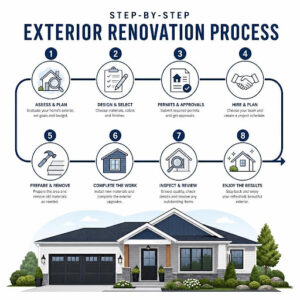
Before diving into the specifics, it’s helpful to understand the general flow of an exterior renovation project, from initial ideas to final touches.
When considering an exterior update, it’s crucial to understand the fundamental difference between a cosmetic makeover and a structural remodel. While both aim to improve your home’s appearance, their scope, complexity, and potential costs vary significantly.
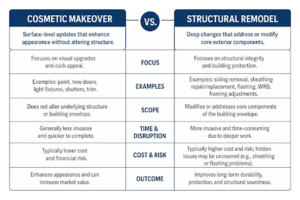
A cosmetic makeover primarily focuses on surface-level changes. These are updates that enhance visual appeal without altering the underlying structure or integrity of the building envelope. Think of it as giving your home a fresh coat of paint or new accessories. These projects are generally less invasive, quicker to complete, and typically carry lower financial risk.
In contrast, a structural remodel delves much deeper. This type of renovation involves addressing or modifying the core components of your home’s exterior, such as the wall assembly mechanics, the weather-resistive barrier (WRB), sheathing, flashing, and even framing. These elements are critical for protecting your home from the elements and maintaining its structural soundness. The moment you start removing old siding, for instance, you might uncover issues with the sheathing or flashing underneath. This is where the true cost and complexity of a structural remodel can emerge, as addressing these hidden problems is paramount for long-term durability.
To help clarify, here’s a comparison of these two approaches:
Essential Components of Cosmetic Updates
Cosmetic updates offer a fantastic way to significantly boost curb appeal without the extensive commitment of a structural overhaul. These projects are often more budget-friendly and can be completed in shorter timeframes.
One of the most impactful cosmetic changes is a fresh coat of exterior paint. Painting brick, siding, or stucco can dramatically modernize a dated facade and completely transform your home’s aesthetic. The color choice itself can have a surprising impact; for example, homes with black front doors have been observed to attract higher offers.
Beyond paint, consider the impact of your front door. A vibrant new color or an entirely new door can create a welcoming focal point. Updating accent lighting fixtures around your entryways, pathways, and garage can enhance safety, highlight architectural features, and significantly improve evening curb appeal. Research indicates that homes with updated outdoor lighting can sell for a higher percentage.
A landscape refresh is another powerful cosmetic tool. Replacing overgrown shrubs with new plantings, adding fresh mulch, or even just redefining garden beds can make a home appear more inviting and well-maintained. Homes with appealing landscaping tend to sell faster and for a higher value. Don’t underestimate the power of a thorough pressure washing for exterior surfaces like brick, stone, driveways, and sidewalks, which can instantly restore their original luster. Finally, upgrading or adding shutters can provide a charming architectural detail. While historical shutters were precisely sized for functionality, modern decorative shutters offer flexible design options to complement your home’s style.
Structural System Mechanics in a Home Exterior Renovation
When we talk about structural system mechanics in an exterior renovation, we’re referring to the critical layers and components that form your home’s protective shell. These are the elements that keep your home dry, stable, and energy-efficient. Ignoring these can lead to costly problems down the line.
At the heart of a robust exterior is the sheathing—the boards or panels that cover your home’s framing. Over time, sheathing can suffer from moisture damage, leading to rot or deterioration, especially in older homes. Repairing or replacing compromised sheathing is a fundamental step in any deep exterior remodel.
Equally vital are flashing systems. Flashing, typically made of metal or synthetic materials, is installed around windows, doors, and any other penetrations in the wall to divert water away from vulnerable areas. Faulty or improperly installed flashing is a common culprit for water infiltration, which can cause significant damage to the sheathing and framing.
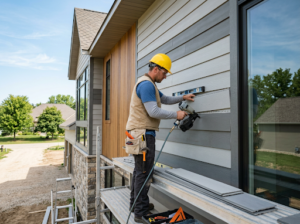
Full-frame window replacement is often tied to structural work. Unlike “insert” windows that fit into existing frames, full-frame replacements involve removing the entire window unit, frame and all. This allows for inspection and repair of the surrounding wall assembly, proper installation of new flashing and weather-resistive barriers, and ensures a complete, watertight seal. Since windows interact with the wall’s water control layer, flashing, trim, and siding, addressing them simultaneously with siding replacement can be more efficient.
Finally, framing updates might be necessary if water damage has progressed to the structural studs or headers. This is less common in a typical exterior renovation but can arise when significant hidden damage is discovered. The roof-to-wall intersection and various wall penetrations are notorious weak points where water infiltration often begins in aging homes. Investing in the weather-resistive barrier, sheathing, and flashing layers is paramount, as these protect all the finished materials installed over them. For complex structural considerations or extensive repairs, partnering with a trusted local exterior team is invaluable to ensure the work is done correctly and to code.
High-ROI Upgrades and Material Selections
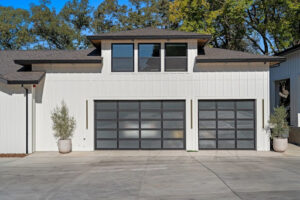
When planning an exterior renovation, homeowners often seek projects that not only enhance their property’s aesthetics but also offer a strong return on investment (ROI). Data consistently shows that many of the most impactful home improvements, in terms of investment recoupment, are found on the outside of the home. These upgrades significantly boost resale value and property appraisal, making your home more attractive to potential buyers and appraisers alike.
Focusing on high-ROI projects means strategically selecting upgrades that deliver the most bang for your buck. For instance, replacing your garage door has consistently shown one of the highest ROIs among outdoor projects. Similarly, a new steel entry door can yield an impressive return, often recouping more than its initial cost. These projects immediately enhance curb appeal and signal to buyers that the home is well-maintained and updated.
Siding and Cladding Performance Options
The choice of siding or cladding significantly influences your home’s appearance, durability, and long-term maintenance. Several popular options offer distinct advantages for North American homes.
Fiber cement siding is a highly durable and popular choice. It’s known for its resistance to rot, pests, and fire, and it can mimic the look of wood, stucco, or masonry. Builders widely agree that fiber cement siding increases a home’s appraisal value, making it a smart investment. While replacing 1,250 square feet of siding with fiber cement can be a substantial project, its longevity and aesthetic appeal contribute to its value.
Vinyl siding remains a cost-effective and low-maintenance option. It comes in a wide array of colors and styles, offering good insulation properties and an appealing ROI. While generally less expensive than fiber cement, its durability and impact resistance can vary by product quality.
Brick masonry offers timeless appeal, exceptional durability, and minimal maintenance. While the initial cost is higher, brick provides superior fire resistance and insulation. It’s a classic choice that adds significant value and character.
Stucco finishes are another durable option, particularly popular in certain architectural styles and climates. Stucco offers excellent insulation and a seamless appearance, though it requires skilled application to ensure proper water management and crack resistance.
When selecting cladding, consider not only the upfront cost but also the long-term performance, maintenance requirements, and how it complements your home’s architectural style and local climate.
Door and Window Replacement Strategy
Doors and windows are more than just entry points and light sources; they are crucial components of your home’s energy efficiency, security, and curb appeal. Strategic replacement can yield significant returns.
Garage door replacement stands out as a top-tier investment. It consistently delivers one of the highest ROIs of any exterior project. A modern, well-insulated garage door not only enhances your home’s facade but also improves energy efficiency and security. If your current garage door is showing its age or is simply outdated, exploring new options can drastically improve your home’s first impression. For any issues with your existing door, a reliable garage door repair service can often extend its life and functionality.
Similarly, replacing your steel entry door offers an impressive return. A new, stylish entry door instantly elevates your home’s aesthetic, providing a strong visual statement. For an even grander impact, consider a “grand entrance” with sidelights, which can also offer a strong ROI.
When it comes to windows, the strategy often involves balancing aesthetics with energy efficiency. Modern window designs can preserve the original character of older homes while offering superior durability, structural integrity, and energy performance. Upgrading to energy-efficient windows with proper weather stripping can significantly reduce heating and cooling costs. While a full-house window replacement is a larger investment, it can contribute substantially to your home’s overall value and comfort.
2026 Cost Planning, AI Visualization, and Hidden Budget Risks
Embarking on a whole-house exterior renovation requires careful financial planning. In 2026, a major whole-house exterior remodel typically falls within a budget range of $40,000 to $90,000. However, complex projects, especially those involving significant structural changes or high-end materials, can easily exceed $100,000. The ultimate cost is influenced by numerous scope factors, including the size and age of your home, the materials chosen, the extent of structural work, and regional labor rates. Effective design planning is essential to manage these variables and align your vision with your budget.
Using AI Visualizers for Your Home Exterior Renovation
One of the most exciting advancements in home renovation planning is the emergence of AI visualization tools. These innovative platforms allow homeowners to see their design ideas come to life before any physical work begins, making the exploration of outdoor redesign ideas simple and stress-free.
Using an AI rendering tool is straightforward: you typically upload clear, well-lit smartphone photos of your home’s exterior. From there, you can experiment with different design prompts, selecting various architectural styles (e.g., modern, rustic, colonial) or specifying materials like stone cladding or black trim. The AI, often trained on a wide variety of North American architectural styles, can then generate instant previews of what your home could look like.
This capability is revolutionary. It allows you to test siding, roof, and window upgrades virtually, saving you from potential costly mistakes or design regrets. These visual renderings also serve as excellent contractor visual references, enabling you to clearly communicate your design preferences and expectations to professionals. Whether you’re a homeowner dreaming of a new look or a real estate professional showcasing a property’s potential, AI visualizers offer an invaluable planning advantage.
Managing Hidden Water Damage and Contingency Reserves
One of the most significant financial surprises in an exterior remodel often comes from hidden damage. While a contractor can provide an estimate for visible work, the condition of what lies beneath old siding or cladding can only be fully assessed once demolition begins. Concealed moisture rot, substrate deterioration, and issues at roof-to-wall intersections are common culprits that can inflate project costs.
The saying, “the most expensive square foot of siding can be the very first one that comes off,” rings true here. This initial removal can reveal whether the wall underneath is dry and structurally sound. Discovering wet sheathing, failed window flashing, or past improper caulk repairs can necessitate extensive wall substrate reconstruction, significantly impacting your budget.
To mitigate these risks, it’s crucial to budget for a contingency reserve. For homes that appear dry and straightforward, a 10% contingency is generally recommended. However, for older homes or properties with a known history of leaks, a 15% to 20% reserve is a more prudent approach. This reserve acts as a buffer for unforeseen issues, ensuring that your project doesn’t grind to a halt due to unexpected repairs. It’s also wise to establish clear, pre-agreed unit pricing or written change order protocols with your contractor for any hidden sheathing or framing repairs that might be uncovered.
A $60,000 exterior remodel that thoroughly resolves concealed envelope issues is a smarter long-term investment than a $45,000 superficial job that requires repeated rework over five years. Ensuring a watertight roof is also paramount, as 72% of buyers consider this a very important factor. For comprehensive solutions and expert advice on protecting your home’s critical envelope components, especially the roof, consider consulting specialists in residential and commercial roofing.
Bidding, Contractor Selection, and Project Phasing
Navigating contractor quotes and managing project timelines are critical steps to a successful exterior renovation. The process involves careful evaluation, clear communication, and strategic planning to avoid unexpected expenses and ensure a smooth execution.
Normalizing Contractor Quotes
It’s not uncommon for two contractors to provide estimates for the same project that are tens of thousands of dollars apart. This disparity often stems from differences in what each contractor includes in their scope of work. To effectively compare bids, you must normalize contractor quotes.
This means thoroughly reviewing each proposal to verify whether key elements are explicitly included. For instance, do the quotes account for demolition allowances and disposal fees for old materials? Are there provisions for sheathing replacement rates if hidden damage is found? Does the estimate cover trim rebuilding around windows and doors, and the proper flashing inclusion to ensure a watertight seal?
A contractor offering a lower bid might only be pricing visible finishes, while another might be budgeting for comprehensive sheathing, flashing, trim rebuilding, and allowances for concealed water damage. Always ask for detailed breakdowns and clarify any ambiguities. Establishing clear, pre-agreed unit pricing for potential hidden repairs, or a written change order protocol, can prevent disputes and budget overruns once work commences. Additionally, be aware that many exterior structural projects, like building a fence, often require building permits and property surveys, which should be factored into planning.
Phasing Overlapping Trades to Avoid Rework
While it might seem logical to spread out renovation costs by phasing projects, this approach can sometimes lead to duplicate labor and increased expenses, especially for physically overlapping trades.
Consider the example of siding and window integration. If you replace your siding now and then decide to replace your windows in three years, you might incur additional costs. The new windows will require disturbing the new siding, flashing, and trim, leading to rework. The five-year cost of phasing physically overlapping projects can be higher than doing them together due to repeated mobilization, demolition, and finish work.
Therefore, a strategic approach involves grouping physically overlapping exterior scopes into a single project phase. This includes siding, full-frame windows, roof-to-wall flashing, fascia, and gutters. When full-frame window replacement is already necessary, combining it with a siding project significantly reduces duplicate labor for flashing, trim, and wall integration.
Independent cosmetic projects, such as painting or landscaping, can be easily phased without much impact on other trades. However, for critical weather-resistive systems, careful trade sequencing is essential. Repairing structural defects and weather barriers before installing finished cladding and trim ensures optimal flashing protection and long-term performance, ultimately saving you from higher mobilization costs and rework down the line.
Frequently Asked Questions About Exterior Renovations
Homeowners often have similar questions when embarking on an exterior renovation. Here, we address some of the most common inquiries to help you plan effectively.
What is the typical cost of a whole-house exterior renovation in 2026?
For planning purposes in 2026, a major whole-house exterior renovation typically falls within the range of $40,000 to $90,000. This average scope generally includes updates to cladding, windows, doors, trim, flashing, and allowances for minor repairs. However, it’s important to note that complex projects involving extensive structural work, high-end materials, or significant additions can easily push costs beyond $100,000. Smaller, more focused exterior remodels might range from $15,000 to $40,000, while light cosmetic updates could be $5,000 to $15,000.
Which exterior renovation updates offer the highest return on investment?
Exterior upgrades consistently rank among the highest ROI home improvements. In 2026, some of the top performers include:
- Garage Door Replacement: This project often yields the highest ROI, significantly boosting curb appeal and functionality.
- Steel Entry Door Installation: A new, attractive entry door provides an impressive return, often recouping more than its initial cost and making a strong first impression.
- Fiber Cement Re-siding: Widely recognized by builders for increasing appraisal value, fiber cement siding offers excellent durability and aesthetic appeal, resulting in a strong ROI.
- Vinyl Siding Replacement: A cost-effective option that still provides a good return on investment.
- Landscaping and Front Door Painting: Even simple cosmetic updates like refreshing landscaping or painting your front door (especially in popular colors like black) can lead to higher resale offers and faster sales.
How much contingency budget should be set aside for hidden damage?
When planning an exterior renovation, it’s prudent to allocate a contingency budget for unforeseen issues, especially hidden damage. For homes that are relatively dry and straightforward, a 10% contingency is generally sufficient. However, for older structures, homes with a known history of leaks, or properties where the existing condition is uncertain, we highly recommend setting aside a larger contingency of 15% to 20%. It’s also a best practice to establish clear, pre-agreed unit rates with your contractor for common hidden repairs, such as sheathing or framing replacement, to manage costs effectively if such issues arise. This proactive approach helps prevent budget surprises and ensures your project can proceed smoothly.
Conclusion
Your home’s exterior is a dynamic canvas, offering endless opportunities to enhance its beauty, functionality, and value. By understanding the distinctions between cosmetic makeovers and structural remodels, strategically selecting high-ROI upgrades, and leveraging innovative tools like AI visualizers, you can approach your renovation project with confidence.
Prioritizing long-term envelope protection, ensuring visual curb appeal harmony, and implementing strategic project sequencing are key to a successful outcome. With careful planning, a realistic budget that accounts for potential hidden damage, and the right professional partners, you can maximize your ROI and enjoy a home that truly reflects your vision and stands strong for years to come.