


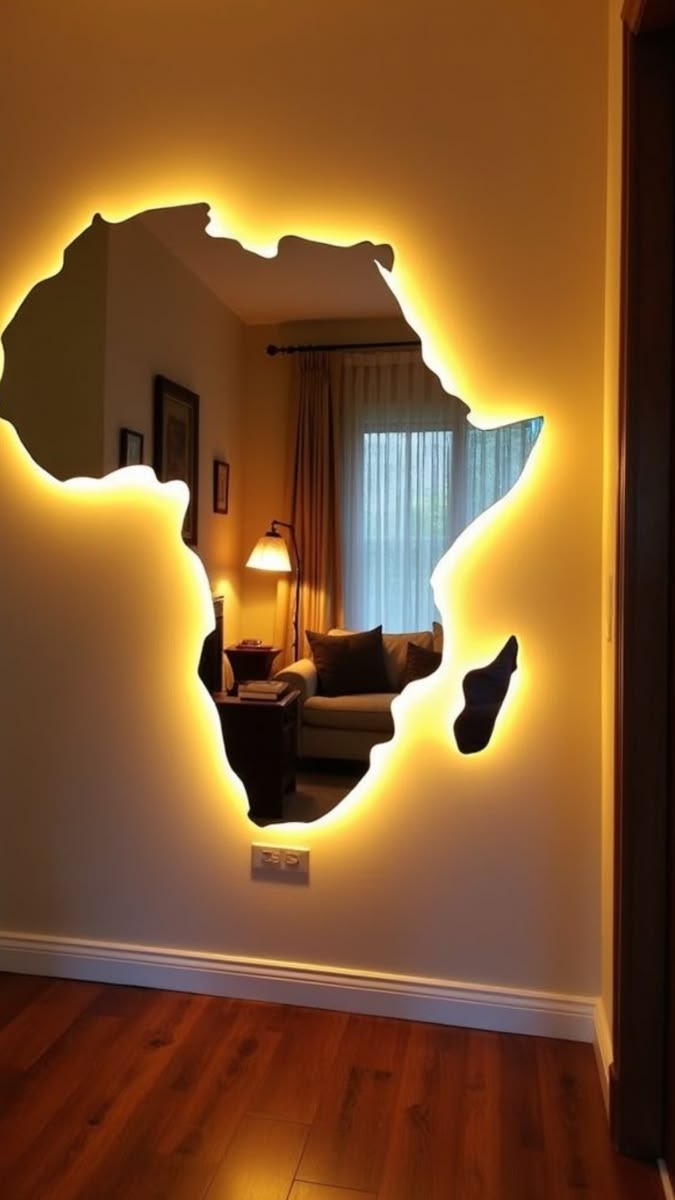
Introduction to the Power of Mirrors in Interior Design
Mirrors have long been considered an essential element in interior design, known for their ability to transform spaces in both subtle and significant ways. Utilizing mirrors as decorative elements can create an illusion of space and light that enhances the overall aesthetic of any room. When thoughtfully incorporated into a home’s design, mirrors can expand visuals, making an area appear larger and more open.
The psychological impacts of mirrors in décor are noteworthy. For instance, placing mirrors strategically can influence the perception of a room’s size. A well-positioned mirror can reflect natural light, which not only brightens the space but also instills a sense of warmth and positivity. As such, they are not merely decorative objects; they play a vital role in enhancing the ambiance and energy of a home. These reflections can serve to lift moods and create an inviting atmosphere.
Furthermore, mirrors are incredibly versatile and can be employed across various design styles, from contemporary and minimalist to traditional and eclectic. They come in an array of sizes, shapes, and frames, providing designers with the freedom to express creativity and maintain harmony within a theme. Whether it is a large, floor-length mirror that becomes a focal point or smaller decorative mirrors that add character to a gallery wall, the possibilities are endless.
Incorporating mirrors into your interior design is not just about aesthetics; it’s about optimizing the layout and enhancing the functionality of a space. By choosing the right mirrors and placing them judiciously, you can achieve a remarkable transformation that enhances both space and light in your home.
Choosing the Right Type of Mirror
Mirrors are a versatile element in home decoration that not only serve functional purposes but also enhance the aesthetic appeal of a space. When selecting the right type of mirror, it is essential to consider both style and functionality to achieve the desired effect in your room.
Wall mirrors are a popular choice for many homeowners. They come in various sizes, shapes, and styles, making them suitable for different decors. A large wall mirror can create the illusion of more space in a small room by reflecting light and giving the impression of depth. Moreover, decorative wall mirrors can serve as striking focal points, enhancing the overall ambiance of the room.
Floor mirrors, on the other hand, are ideal for larger spaces and can make a bold statement. These mirrors can be leaned against a wall or placed in corners to provide a full-body view while also reflecting light. A well-placed floor mirror can also help a room appear larger by reflecting the surrounding decor and making it feel airy.
Mirrored furniture is another option worth considering. Pieces such as mirrored coffee tables, dressers, or nightstands can add a modern touch and reflect light, effectively brightening the space. Mirrored furniture works well in various decor styles, from contemporary to traditional, allowing for flexibility in design choices.
Ultimately, the type of mirror chosen should complement the overall decor and address the specific needs of your space. By thoughtfully considering wall mirrors, floor mirrors, and mirrored furniture, homeowners can effectively enhance their interiors and create an inviting atmosphere.
Strategic Placement of Mirrors
Strategic placement of mirrors in a room is a key element in augmenting the perception of space. One of the most effective techniques is to position mirrors directly across from windows. This setup not only reflects natural light but also enhances the room’s brightness, creating a more open atmosphere. By doubling the visual effect of the outdoor scenery, windows serve as a brilliant source of light; thus, mirrors act as twin portals, bringing the outside in and blurring the barriers of the interior space.
Moreover, aligning mirrors with furniture can help maintain a cohesive design. For instance, placing a mirror above a sofa or a console table gives the illusion of cohesive layers. This approach fosters a balanced look, drawing the eye naturally across the room. A horizontal mirror above a low piece of furniture can visually extend the space and guide movement through the area, so consider sizing and placement carefully to achieve desired effects.
Another technique involves creating focal points with mirrors. A strategically positioned statement mirror can act as an anchor in the room, directing attention and adding a dimension of interest. For example, a round mirror can soften the angular lines of a contemporary design, while a large, ornate mirror can provide an elegant contrast in a minimalist setting. By ensuring that each mirror has a purpose—whether to reflect light, create depth, or serve as an artistic element—one can significantly enhance the overall ambiance of a space. Therefore, understanding the fundamental principles of mirror placement is essential to effectively manipulate spatial perception.
Using Mirrors to Reflect Light and Brighten Spaces
Mirrors serve not only as decorative elements in home decor, but they also possess the unique ability to reflect light and enhance the brightness of any room. Strategically placing mirrors can significantly alter the ambiance of a space, making it feel more open and inviting.
To maximize their effectiveness, mirrors should be placed opposite windows or areas where natural light enters. This placement allows mirrors to reflect sunlight into deeper areas of a room, creating an illusion of a larger and brighter space. For example, if you have a living room with a large window, positioning a mirror directly across from it will help capture and amplify the incoming light, illuminating the entire room.
In addition to natural light, artificial lighting can also benefit from the presence of mirrors. When positioned near light fixtures, mirrors can enhance the brightness and warmth of ambient light, making a space feel cozy and welcoming. Consider placing a mirror near a table lamp or overhead light to reflect the glow emitted by the fixture, thereby enriching the overall luminosity of the room.
Furthermore, the size and shape of the mirror can influence how much light is reflected and perceived. Larger mirrors tend to reflect more light, while uniquely shaped mirrors can add character to the decor, enhancing both function and style. Incorporating a round mirror above a rectangular console table can create a harmonious contrast, while also reflecting light to brighten the entryway.
Ultimately, using mirrors wisely can transform dimly lit areas into vibrant spaces brimming with illumination. By thoughtfully considering their placement and the surrounding lighting, mirrors can be a valuable tool in achieving a lighter, more spacious atmosphere in any home.
Mirrors as Decorative Elements
Mirrors serve dual purposes in interior design; they not only enhance the perception of space but also act as striking decorative elements. Choosing the right mirror can elevate the aesthetic appeal of any room, transforming it into a stylish oasis that reflects one’s taste and personality. Ornate or uniquely designed mirrors can perform as art pieces, complementing various decor styles, whether they be modern, vintage, or eclectic.
When selecting a mirror, consider its shape, size, and frame. For a modern decor scheme, sleek, frameless mirrors or those with minimalistic frames in metallic finishes can provide a contemporary look. In contrast, vintage-style mirrors, characterized by intricate frames and embellishments, add a touch of nostalgia and elegance to a space. Eclectic designs, featuring bold colors and unconventional shapes, make for eye-catching focal points that can tie a room together.
Placement plays a critical role in maximizing the decorative impact of mirrors. Positioning them opposite windows or light sources can help reflect natural light throughout the room, creating an airy and spacious atmosphere. Furthermore, mirrors can be strategically hung to draw the eye upward, giving the illusion of taller ceilings and a more open feel. Consider grouping smaller mirrors in an artistic arrangement for a gallery-like effect, enhancing visual interest while maintaining an overall cohesive look.
Choosing mirrors that resonate with your decor style and thoughtfully placing them within the space can significantly enhance the overall design. Whether you opt for a grand, ornate piece or a subtle, modern design, mirrors offer versatility and functionality that may redefine your living spaces. Through the artful integration of mirrors as decorative elements, one can easily achieve a balance between form and function in any interior.
Creating Illusions of Depth with Mirrors
Mirrors are versatile decorative elements that can significantly alter the perception of space within a room. One key technique to utilize mirrors effectively is by layering them with other decorative items. For instance, placing a mirror behind a piece of furniture, such as a side table or a console, can create depth while also reflecting the beauty of the furniture itself. This layering method not only enhances visual interest but also doubles the impact of other decorative elements.
Another effective strategy involves the placement of mirrors to frame or highlight specific areas within a space. For example, strategically positioning a mirror across from a window can amplify natural light and create an illusion of a larger, brighter room. When light is reflected, it has the effect of expanding the area visually, giving the impression of depth and openness. Moreover, utilizing decorative mirrors with unique shapes or frames can draw attention to focal points in the room, guiding the eye and enhancing the overall aesthetic.
Incorporating a series of smaller mirrors in a gallery wall format can also add an intriguing dimension to a space. By using variations in size, shape, and orientation, these mirrors can work together to create a cohesive design while simultaneously making the area feel more expansive. It’s important to ensure that these mirrors reflect elements that contribute positively to the room’s décor, such as artwork, appealing furniture, or even vibrant plants, thus promoting a sense of harmony and depth.
Ultimately, utilizing mirrors thoughtfully contributes not only to the creation of space but also to the overall ambiance of the room. When executed well, the strategic placement of mirrors can transform any area, making it feel both spacious and inviting.
Cohesion with Color and Style
When considering how to decorate with mirrors in any room, achieving a cohesive look through color and style is paramount. Mirrors not only serve a practical purpose but also contribute significantly to the aesthetic of a space. To ensure that the use of mirrors enhances the room’s design, it is essential to select frames that complement existing furniture and decor themes.
The first step in this process is to assess the color palette of the interior. This involves taking note of the dominant hues present in furnishings, wall colors, and accessories. A mirror with a frame that echoes these shades can create a seamless integration within the space. For instance, if a room is characterized by warm tones, a framed mirror in gold or bronze can provide a subtle elegance that aligns with the overall theme. Conversely, for spaces featuring cooler color schemes, silver or chrome frames may be more appropriate.
Additionally, the style of the mirror frame plays a crucial role in maintaining coherence. Contemporary rooms are often best complemented by sleek, minimalistic frames, while traditional spaces may benefit from more ornate designs. Vintage or rustic styles may call for mirrors with distressed finishes that evoke a sense of history and charm. Therefore, selecting a mirror that mirrors the motifs and textures already present can contribute to an inviting atmosphere.
In essence, the coordination of color and style when choosing mirrors can significantly elevate a room’s decor. By thoughtfully considering how the frame relates to the overall design, one can enhance visual harmony and ensure the mirrors add to the sense of space rather than detract from it.
Maintenance and Care of Decorative Mirrors
Ensuring that decorative mirrors remain in optimal condition not only enhances their aesthetic appeal but also prolongs their lifespan. To maintain mirrors effectively, it is crucial to use the right cleaning products and techniques. Common household cleaners that contain ammonia, bleach, or strong acids should be strictly avoided, as these chemicals can damage the reflective coating of mirrors. Instead, utilize a gentle solution composed of mild dish soap and warm water. This approach is effective in removing grime without compromising the integrity of the mirror.
When cleaning mirrors, a soft, lint-free cloth is recommended. Microfiber cloths are particularly effective, as they are designed to trap dust and dirt without scratching the surface. It is best to apply the cleaning solution to the cloth rather than directly onto the mirror to prevent excess moisture from seeping into the frame or backing. Gently wipe the surface in a circular motion to remove streaks and fingerprints, ensuring a polished finish.
In addition to routine cleaning, addressing scratches or imperfections on mirrors is essential. Light scratches can often be minimized using a paste made from baking soda and water. Apply the paste to the scratched area, rubbing gently with a soft cloth until the scratch appears less noticeable. For deeper scratches or significant defects, professional restoration may be necessary, as DIY remedies may not suffice. It is advisable to consult with a specialist who can assess the damage and recommend suitable repair methods to restore the mirror.
In conclusion, proper maintenance of decorative mirrors involves using the right cleaning agents, employing safe cleaning techniques, and addressing imperfections thoughtfully. By adhering to these guidelines, mirrors can retain their beauty and functionality for years to come.
Conclusion and Inspiration
Decorating with mirrors is a clever and effective technique to enhance the perception of space within any room. Through the strategic placement of mirrors, one can not only create an illusion of larger areas but also amplify natural light, adding brightness and warmth. Throughout this discussion, we explored various methods of utilizing mirrors to suit diverse decor styles, emphasizing that creativity knows no limits.
This approach to interior design is versatile, whether one chooses to feature a single statement mirror or an arrangement of multiple reflective surfaces. It is essential to consider not only the size and placement of mirrors but also their frame styles and how they complement the surrounding decor. For example, a large, ornate mirror can serve as a focal point in a vintage-themed room, while sleek, frameless mirrors may work better in modern spaces. The unique reflections that mirrors cast can also contribute to the overall ambiance, providing both visual interest and depth.
As you embrace this art of decoration, it can be highly beneficial to seek inspiration from design magazines, websites, or social media platforms. These resources often showcase innovative mirror applications, guiding you to experiment with what best suits your taste and enhances your living space. Observing how professionals utilize mirrors to transform interiors can spark your imagination and encourage you to try different arrangements and styles.
Ultimately, your home should reflect your personality and creativity. By incorporating mirrors thoughtfully, you can achieve not only a visually appealing environment but also a sense of openness and tranquility. Happy decorating!