


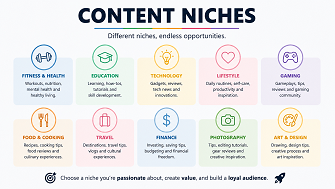
Content niches refer to specific segments within a broader market where content creators focus their efforts. By honing in on a particular niche, creators can tailor their content to meet the unique needs and interests of a targeted audience. This focused approach allows for deeper engagement with the audience, as content can be highly relevant and specific to their interests and needs.
Focusing on content niches can lead to sustainable growth for creators and businesses alike. By concentrating on a smaller, well-defined area, individuals can become authorities in their chosen topics, which enhances credibility and fosters trust among followers. This trust is essential in building lasting relationships with an audience, ultimately leading to higher retention rates and increased loyalty.
The significance of niche markets in content creation cannot be overstated. In a digital landscape that is increasingly cluttered with information, carving out a niche allows content creators to stand out and offer unique perspectives. Niche markets allow for the development of specialized content that is often overlooked by mainstream providers. This specialization may pertain to specific interests, hobbies, or industry-related topics, creating opportunities for content that resonates with dedicated followers.
Moreover, focusing on content niches can also facilitate the discovery of monetization strategies that are tailored to the audience’s preferences. Whether through affiliate marketing, sponsored posts, or selling products, creators can identify the most effective pathways to generate revenue while still providing value. Therefore, understanding the dynamics of content niches is vital for anyone looking to embark on a successful content creation journey.
Characteristics of Profitable Content Niches
Identifying a profitable content niche is crucial for creators aiming to build sustainable and long-lasting projects. Several key characteristics can make a content niche particularly lucrative, starting with audience demand. A niche that attracts a substantial and engaged audience is more likely to generate profitable opportunities. This demand can manifest through search volume, social media engagement, or community discussions. It is essential to conduct thorough keyword research and utilize tools that provide insights into what users are searching for, ensuring the chosen niche is both relevant and needed.
Another defining feature of a profitable content niche is its level of competition. While some competition indicates a healthy level of interest, an excessively competitive niche can be challenging for new entrants. Striking the right balance is critical. Niche markets with moderate competition often provide better opportunities for emerging creators to establish themselves and attract a loyal audience. Analyzing competitors can provide insights into successful strategies and help identify gaps in the market that a creator can fill.
Additionally, the monetization potential of a niche greatly influences its profitability. Niches that lend themselves easily to various revenue streams—including affiliate marketing, sponsored content, or product sales—are generally more attractive. Understanding which monetization models work best within a niche is fundamental for long-term sustainability. Content creators should also consider the longevity of interest in a niche; trends may provide short-term profitability, but niches with enduring appeal tend to offer greater stability.
By evaluating audience demand, competition levels, monetization potential, and the longevity of interest, content creators can intelligently assess a niche’s potential profitability. These characteristics serve as critical indicators for those looking to invest time and resources into their content endeavors, leading to a more informed decision-making process.
Researching Potential Niches
Identifying and researching potential content niches is a fundamental step for aspiring content creators aiming to establish a long-term presence. The first step in this process involves conducting thorough market research to determine areas of interest among the target audience. Various tools, such as Google Trends, can provide insights into what topics are gaining traction and which niches may offer profitable opportunities.
Another valuable method for niche discovery is competitor analysis. By observing successful blogs and content creators within specific niches, one can gauge which strategies resonate most with audiences. Tools like SEMrush and Ahrefs allow users to examine their competitors’ traffic sources, top-performing content, and keyword strategies. This analysis not only informs creators about winning content types but also highlights gaps in the market where new creators can position themselves effectively.
Moreover, engaging with target audiences through social media platforms or forums can yield significant insights. Platforms like Reddit or specialized Facebook groups provide a wealth of information regarding audience preferences, trending topics, and unanswered questions. This direct interaction can help content creators understand the pain points and interests of their target demographic, further informing their niche selection.
Finally, it is essential to ensure that the chosen niche is not only profitable but also aligns with the content creator’s interests and expertise. A genuine passion for a topic often translates into higher quality content, which is crucial for building an engaged audience. The synergy between personal passion and market demand is vital for sustaining long-term content creation efforts.
Examples of Long-Term Profitable Niches
In the realm of content creation, identifying a profitable niche is paramount for sustaining audience engagement and generating revenue over the long haul. Various niches have garnered attention for their endurance and profitability, reflecting trends and consumer behaviors that prioritize essential needs and interests.
One prominent example of a long-term profitable niche is the health and wellness industry. With a perpetual demand for health-related information, this niche covers a vast array of topics including nutrition, fitness, mental health, and alternative therapies. The renewed focus on holistic well-being has made it a lucrative field, attracting a wide audience eager for guidance on improving their quality of life. Content creators within this realm can thrive by providing valuable tips, research-backed insights, and personalized wellness plans.
Another significant niche is personal finance and investment. With individuals continuously seeking strategies to manage their money, save for retirement, or make informed investment decisions, this sector offers abundant content opportunities. Articles, blogs, and guides that offer budgeting tips, investment strategies, and financial planning advice can draw in a dedicated readership. Furthermore, as economic fluctuations persist, the demand for competent financial guidance remains strong, ensuring that content in this niche is consistently sought after.
The technology niche also proves to be a durable choice. As innovations continue to unfold at a rapid pace, content focusing on consumer tech, software development, and emerging technologies appeals to both tech enthusiasts and general consumers. Providing in-depth reviews, how-to guides, and news updates can position creators as trusted sources, maintaining a steady stream of followers and potential revenue.
Overall, successful niches thrive by addressing persistent consumer needs and interests. By focusing on such areas as health and wellness, personal finance, and technology, content creators can establish sustainable platforms that yield long-term profitability.
Monetization Strategies in Niche Markets
In the realm of niche markets, effective monetization strategies are crucial for generating revenue and sustaining long-term profitability. One of the most popular approaches is affiliate marketing, where content creators earn commissions by promoting products or services related to their niche. This strategy can be particularly effective when the products align closely with the interests of the audience, fostering trust and encouraging purchases.
Sponsored content also presents a viable monetization strategy within niche markets. Brands are often willing to pay for exposure in specific communities, making it possible for content creators to generate income while providing their audience with valuable insights or product recommendations. Sponsored posts should be crafted carefully to maintain authenticity and relevance, as audiences are increasingly discerning and likely to disengage from content that feels artificially promotional.
Another promising strategy is merchandise sales, where content creators design and sell branded products that resonate with their niche audience. From clothing and accessories to digital products like e-books or online courses, merchandise sales can cultivate a loyal fan base while providing a tangible revenue stream. This approach is especially effective for those with a strong personal brand or a dedicated following.
Subscription models, including premium memberships or Patreon, offer another avenue for monetization in niche markets. This model allows creators to provide exclusive content or perks to supporters in exchange for a regular fee. This not only creates a steady income but also reinforces a sense of community among dedicated followers who are more willing to invest in the content they cherish.
By employing a combination of these strategies—affiliate marketing, sponsored content, merchandise sales, and subscription models—creators can effectively tailor their monetization approaches to suit their specific niche, maximizing profitability and ensuring sustainable growth in the competitive content landscape.
Building Authority Within Your Niche
Establishing authority in a specific niche is a crucial step towards long-term success and profitability. The first and foremost strategy involves creating high-quality content that provides real value to your audience. Quality content does not merely inform but engages and inspires readers, encouraging them to return for more insights. It is essential to produce in-depth articles, research papers, or case studies that showcase your expertise, as well as providing practical solutions to common problems your audience faces.
Consistency is another vital factor in building authority. Regularly publishing content ensures your audience remains engaged and starts to view you as a reliable source of information. A well-planned content calendar can help maintain consistency while also diversifying the types of content you offer, such as blog posts, videos, or podcasts. Additionally, incorporating feedback from your audience can lead to more relevant and tailored content, further solidifying your position as an authority within your niche.
Networking within your niche community is equally important. This can be achieved by collaborating with other experts, participating in online forums, or attending industry events. Building relationships with other content creators can enhance your credibility, broaden your reach, and expose you to different perspectives. Freelancing platforms, social media groups, and industry-specific forums provide excellent opportunities to engage with peers and exchange knowledge, which can ultimately contribute to your authority within the niche.
When you consistently produce valuable content, engage with your audience, and cultivate a network of professional relationships, you create a foundation of trust and loyalty. This trust is essential for fostering lasting relationships with your audience and ensuring they view you as an authority in your field. By focusing on these strategies, you can confidently establish your credibility and authority within your chosen niche.
Challenges in Niche Content Creation
Niche content creation can be a rewarding venture, but it is also fraught with unique challenges that content creators must navigate effectively. One of the most significant barriers is content saturation. As the popularity of specific niches increases, the volume of content produced within those markets can overwhelm potential audiences. This saturation means that new creators often find it challenging to stand out, necessitating a keen focus on originality and unique perspectives to differentiate their work.
Another major challenge is the ever-evolving nature of audience preferences. With rapid technological advancements and changing social dynamics, what may resonate with an audience today could become obsolete tomorrow. Content creators must remain vigilant and adaptive, continuously researching trends and adjusting their strategies to maintain relevance. Engaging with audiences through feedback, surveys, and analytics can provide valuable insights that inform content direction and ensure alignment with viewer interests.
Resource limitations also present a significant hurdle for creators in niche content markets. Many content developers operate with finite budgets and limited access to advanced tools or platforms. This can restrict their ability to produce high-quality content consistently. To overcome this, creators should prioritize efficient resource management. Leveraging free or affordable tools for content creation, maintaining a realistic production schedule, and networking with other professionals can help mitigate some of these limitations. Additionally, focusing on building a supportive community around the niche might foster collaboration opportunities, further alleviating resource constraints.
In conclusion, navigating the challenges of niche content creation requires a strategic approach. By understanding saturation, audience preferences, and resource limitations, creators can develop effective strategies to overcome these obstacles and succeed in their chosen markets.
Future Trends in Long-Term Content Niches
As we delve into the future of long-term profitable content niches, several trends emerge, driven by technological advancements and shifts in consumer behavior. These trends will likely shape how content creators and marketers approach their strategies, ensuring they remain relevant in an ever-evolving digital landscape.
One of the most significant trends is the rise of artificial intelligence (AI) and its applications in content creation and distribution. AI tools are increasingly capable of analyzing vast amounts of data, identifying user preferences, and personalizing content. This technology enables creators to craft tailor-made content that resonates more deeply with audiences. Consequently, the ability to harness AI effectively will become crucial in maintaining competitiveness within profitable niches.
Moreover, the adoption of augmented reality (AR) and virtual reality (VR) is set to redefine content consumption. These immersive technologies are gaining traction among consumers, leading to a growing demand for content that offers interactive experiences. This shift presents new opportunities for niches focusing on gaming, travel, and education, allowing creators to explore innovative storytelling methods that captivate audiences.
Changing consumer behaviors also play a vital role in shaping long-term content niches. The increasing emphasis on sustainability and ethical consumption may drive demand for content related to eco-friendly practices and products. As consumers become more conscious of their environmental impact, niches centered around sustainability are likely to flourish, providing valuable information and resources.
Finally, the growth of mobile content consumption continues to influence trends. With smartphone usage on the rise, optimizing content for mobile platforms is essential. Creators must focus on crafting concise, engaging materials that cater to audiences on the go. Understanding these evolving patterns will be paramount in determining which content niches prove most profitable in the coming years.
Conclusion and Next Steps
As we have explored throughout this blog post, identifying and capitalizing on long-term profitable content niches is both a strategic and creative endeavor. It requires a careful analysis of market trends, personal interests, and your unique strengths. Understanding these elements contributes significantly to crafting content that not only resonates with an audience but also stands the test of time.
The process begins with thorough research. By analyzing existing content in your areas of interest, you can pinpoint gaps in the market that you might capitalize on. Tools like keyword research and trend analysis can provide insights into what topics are currently gaining traction. It is crucial to consider not just popular or trending topics but also sustainable niches that will remain relevant in the long run.
Next, it is important to reflect on your own passions and expertise. Engaging in content creation that aligns with your interests can maintain your motivation over the long term. When you are passionate about a subject, it is far easier to create valuable and authentic content that attracts and retains an audience. Your strengths, whether they be in writing, video production, or even photography, should guide your content creation process.
Finally, having identified a niche, take the plunge. Start creating content, whether through a blog, YouTube channel, or podcast. Experiment with different formats and topics within your niche to find out what resonates best with your audience. Remember that consistency is key; the more quality content you produce, the greater your chances of establishing yourself as an authority in your chosen niche.
In conclusion, exploring long-term profitable content niches involves a combination of research, self-exploration, and practical application. By taking these actionable next steps, you can set the foundation for a successful content creation journey that is not only profitable but also personally fulfilling.