


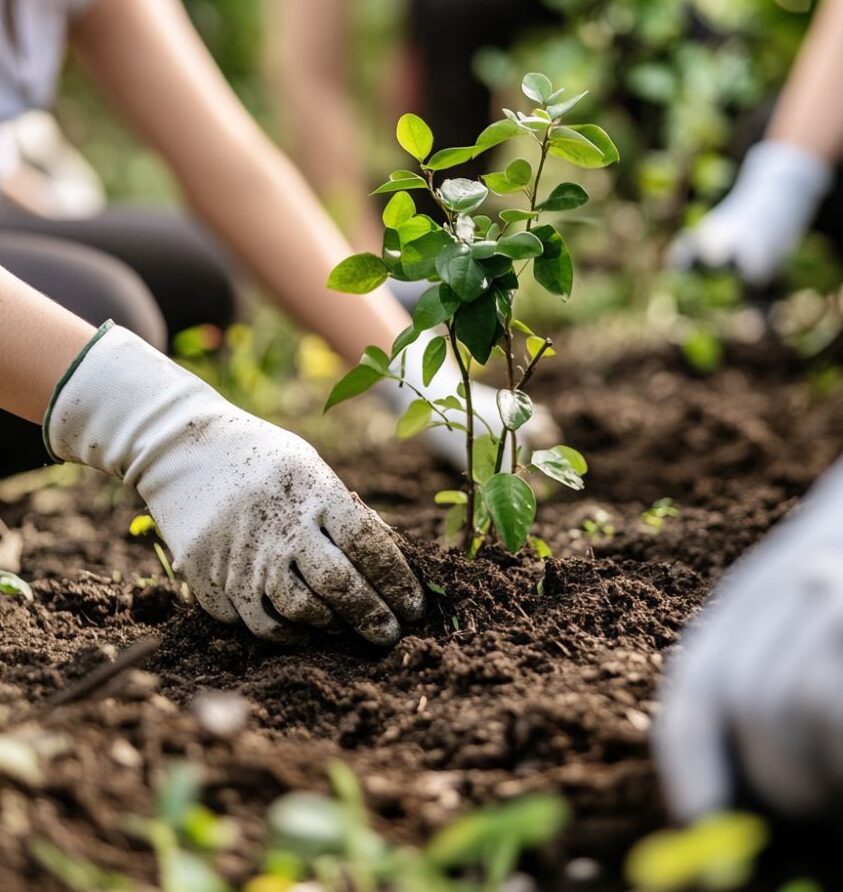
Introduction to Eco-Friendly Living
Eco-friendly living encompasses a lifestyle that focuses on reducing one’s carbon footprint and making environmentally conscious choices. As the world grapples with the effects of climate change, it has become increasingly important for individuals and families to consider how their daily habits impact the environment. By adopting eco-friendly practices, not only do we contribute to the preservation of natural resources, but we also promote a healthier and more sustainable planet for future generations.
One of the primary reasons to embrace eco-friendly living is the urgent need to combat global warming and reduce greenhouse gas emissions. The choices we make at home, such as conserving energy and minimizing waste, directly affect our carbon footprints. For instance, integrating energy-efficient appliances and utilizing renewable energy sources, like solar panels, can significantly decrease our dependence on fossil fuels. By making these small yet impactful changes, we can collectively contribute to substantial environmental benefits.
Additionally, adopting eco-friendly practices can yield numerous advantages for our health and well-being. Homes that are designed with sustainability in mind often include non-toxic materials and environmentally friendly products, which can improve indoor air quality and reduce exposure to harmful substances. Enhancing our living spaces in a manner that supports eco-friendly standards not only promotes a cleaner environment but also fosters a sense of community responsibility and engagement.
In conclusion, the pathway to eco-friendly living begins with mindful decisions that align with sustainable practices. Every small step we take in this direction can lead to significant, positive changes for both the planet and our quality of life. By prioritizing eco-friendly choices at home, we empower ourselves and champion a healthier, more sustainable future.
Understanding Your Home’s Energy Consumption
Assessing your home’s energy consumption is essential for identifying areas where improvements can be made to enhance energy efficiency. One of the first steps in this process is to review your energy bills over several months. This information provides insight into your overall energy use and can help identify any significant changes or spikes in consumption.
Next, consider conducting an energy audit. This can be done professionally or as a DIY project. During an energy audit, you will need to evaluate each area of your home, including lighting, appliances, and heating and cooling systems. Take note of the age and efficiency ratings of your appliances, as older units often consume more energy than newer, energy-efficient models.
To accurately determine which appliances are contributing most to your energy consumption, consider using energy monitoring devices. These devices can be plugged into outlets with an indicator of the power usage of connected electronics. You can identify high-energy-consuming appliances such as refrigerators, washing machines, and electronics. Understanding the specific energy consumption of each device will enable you to make informed decisions on which appliances may need upgrades or replacements.
An additional strategy includes checking insulation and drafts. Poor insulation can result in increased heating and cooling costs as systems work harder to maintain desired temperatures. Addressing air leaks through weather stripping or caulking can substantially reduce energy loss and improve heating and cooling efficiency.
Regularly maintaining systems, including HVAC check-ups and cleaning, also contributes to reduced energy consumption. By establishing a clearer picture of your home’s energy consumption patterns, you’ll be more equipped to make changes that not only lower your utility bills but also contribute to environmental sustainability. By being proactive and informed about your energy use, you can take steps towards a more eco-friendly home.
Choosing Sustainable Materials for Your Home
In the pursuit of creating an eco-friendly living space, one of the most significant decisions homeowners can make is to choose sustainable materials. These materials, which are derived from responsibly sourced natural resources, not only contribute to a more sustainable environment but also promote better indoor air quality and reduce toxic emissions.
Bamboo is a prime example of a sustainable material that is gaining popularity in home renovations and furnishings. As a fast-growing grass, bamboo can be harvested without harming the environment. Its durability and versatility make it ideal for flooring, cabinetry, and decorative elements, allowing homeowners to enjoy chic aesthetics while supporting eco-friendly practices.
Reclaimed wood is another excellent choice when selecting materials for eco-friendly home projects. This wood is salvaged from old structures, furniture, or trees, preventing it from ending up in landfills. By repurposing reclaimed wood, homeowners not only reduce waste but also add character and charm to their interiors. The unique history and patina of reclaimed wood can give any space a distinctive touch while minimizing the demand for new timber.
Furthermore, low-VOC (volatile organic compounds) paints and finishes are crucial in promoting a healthier home environment. Traditional paints can emit harmful chemicals that negatively impact indoor air quality. Low-VOC alternatives reduce these emissions significantly, making them safer for both occupants and the planet. Choosing these types of paints ensures that your home remains vibrant and fresh without compromising health and sustainability.
Ultimately, selecting sustainable materials is not merely about aesthetics; it reflects a commitment to environmental stewardship. By opting for bamboo, reclaimed wood, and low-VOC paints, homeowners can effectively contribute to a more sustainable future while enhancing the beauty and safety of their homes.
Implementing Energy-Efficient Appliances
In recent years, there has been a significant emphasis on the importance of adopting energy-efficient appliances within our homes. These appliances are designed to use less energy, thereby reducing both utility bills and carbon footprints. The transition to energy-efficient devices is not only beneficial for the environment but also contributes to long-term cost savings for homeowners.
One of the primary advantages of energy-efficient appliances is their potential to save money over time. Though the initial purchase price may be higher than that of standard appliances, the energy savings they provide can lead to substantial reductions in energy bills. For instance, appliances that meet the Energy Star standards are known to use up to 50% less energy compared to their conventional counterparts. By evaluating long-term savings, consumers can make informed decisions that align with their financial goals while also promoting sustainability.
When looking to invest in energy-efficient appliances, it is crucial to familiarize oneself with energy ratings. Appliances often come with an EnergyGuide label, which indicates their energy consumption in comparison to similar models. This information empowers consumers to select appliances that balance performance and energy efficiency effectively. For instance, when considering a refrigerator, opting for one with a high energy rating may initially cost more, but it will offer savings on electricity bills over the lifecycle of the unit.
To further enhance your home’s eco-friendliness, evaluating certifications and labels is essential. Look for the ENERGY STAR label, which indicates that the appliance meets specific efficiency guidelines set by the U.S. Environmental Protection Agency. In this way, homeowners can confidently choose appliances that contribute positively to energy conservation, leading to a more sustainable living environment.
Water Conservation Techniques
Water conservation is essential for mitigating the impact of climate change and preserving our natural resources. Implementing effective water-saving strategies not only aids in sustainability but can also lead to significant savings on utility bills. Homeowners can adopt various techniques to achieve this goal.
One of the most effective ways to conserve water is by installing low-flow fixtures throughout the home. Low-flow showerheads and faucets can reduce water flow without sacrificing performance. By using these fixtures, up to 60% less water can be consumed compared to standard models. Additionally, low-flow toilets significantly decrease the amount of water used per flush, showcasing how modern plumbing can lead to substantial improvements in water conservation.
Another effective method is the use of rain barrels. By collecting rainwater from roofs, homeowners can harness this resource for watering gardens, landscaping, or washing outdoor equipment. Rain barrels can store a significant amount of water, providing a sustainable option for irrigation during dry seasons. This practice not only conserves municipal water supplies but also reduces household water bills, making it a win-win for both the environment and the homeowner.
Repairing leaks in plumbing systems is another crucial aspect of water conservation. A leaking faucet or toilet can waste gallons of water each day, contributing to unnecessary water consumption and increased costs. Regular inspections for leaks and prompt repairs can mitigate these losses and ensure that every drop of water counts. Simple measures such as monitoring water bills for sudden increases can also help identify hidden leaks early on.
Utilizing these water conservation techniques can significantly enhance sustainability efforts in the home, promoting both environmental stewardship and financial savings. By implementing low-flow fixtures, using rain barrels, and fixing leaks, homeowners take critical steps towards reducing their overall water consumption.
Incorporating Indoor Plants
Integrating indoor plants into your home environment serves a dual purpose: improving aesthetic appeal and enhancing indoor air quality. Numerous studies have demonstrated that indoor plants can significantly purify the air, absorbing pollutants and releasing oxygen, which contributes to a healthier living space. Various types of greenery are easy to care for and can thrive in different kinds of environments, making them suitable for nearly any household.
Among the most accessible plants, the spider plant (Chlorophytum comosum) is renowned for its air-purifying qualities. It effectively removes toxins such as formaldehyde and xylene from the air while requiring minimal maintenance. This resilient plant grows well in indirect sunlight and only needs watering once a week.
Another excellent choice is the peace lily (Spathiphyllum). This attractive plant not only enhances home decor but also helps break down toxins such as ammonia, benzene, and formaldehyde. Peace lilies flourish in low-light conditions and prefer to be watered when the soil feels dry to the touch.
The pothos (Epipremnum aureum) is also highly regarded for its air purification abilities, clearing indoor spaces of carbon monoxide and other harmful substances. It is a hardy plant that can grow in varying light conditions, making it incredibly versatile for different home environments.
Incorporating these easy-to-care-for plants into your home can lead to significant improvements in both health and comfort. The presence of greenery transforms spaces into calming environments while acting as natural air filters. A home filled with indoor plants not only promotes eco-friendliness but also creates a more inviting and relaxing atmosphere. Therefore, considering which indoor plants to introduce into your living space can be a meaningful step towards a more sustainable and healthier home.
Recycling and Composting at Home
Creating an eco-friendly home involves incorporating efficient recycling and composting systems. By doing so, individuals can significantly reduce the amount of waste that ends up in landfills, thereby promoting sustainability and minimizing their carbon footprint.
The first step in recycling at home is to know what materials can be recycled. Common recyclable items include paper, cardboard, glass, metal, and certain plastics. Municipal guidelines will often provide specific instructions regarding what can and cannot be placed in the recycling bin. Additionally, it is important to rinse out containers to avoid contamination, which can render recyclable materials unrecyclable. Establishing a designated recycling area within your home can help facilitate this process, allowing family members to easily sort their recyclables.
Setting up a compost bin is another crucial step toward waste reduction. Composting organic materials like fruit and vegetable scraps, coffee grounds, and yard waste can significantly lessen landfill contributions. To start composting, one can choose between a traditional compost pile, a compost bin, or even a worm bin (vermicomposting). The ideal compost mix should contain roughly equal parts of ‘green’ materials (nitrogen-rich) and ‘brown’ materials (carbon-rich) for optimal decomposition. Regularly turning the compost will aid in aeration and speed up the breakdown process.
The benefits of recycling and composting extend beyond waste reduction. By participating in these practices, households can conserve natural resources, support local recycling industries, and contribute to soil enrichment through compost. This not only helps promote a healthier ecosystem but also fosters a community mentality towards sustainable living. By adopting these practices, you can take significant steps in making your home more environmentally friendly and encouraging others to follow suit.
Adopting a Minimalist Approach
The adoption of a minimalist lifestyle is increasingly recognized as a viable strategy for promoting an eco-friendly home environment. Minimalism is characterized by simplification, emphasizing quality over quantity, and intentional living. By adopting this approach, individuals can significantly reduce clutter, foster a more organized space, and lessen their environmental impact.
One of the primary benefits of minimalism is the reduction of physical possessions. Decluttering allows individuals to evaluate their belongings critically and determine what is truly necessary. Items that are seldom used or no longer serve a purpose can be donated, recycled, or disposed of responsibly. This not only frees up space but also decreases the demand for new items, indirectly reducing manufacturing waste and resource consumption.
To effectively downsize belongings, start by categorizing items within the home. Evaluate clothing, kitchenware, electronics, and various decorations. A practical approach is to implement the “one in, one out” rule: for every new item brought into the home, one should be removed. Additionally, consider the longevity and sustainability of items before purchasing, giving preference to high-quality, durable goods that will last over time.
Intentional purchasing is another important aspect of minimalism that can aid sustainability. Thoughtful shopping can involve researching products to ensure they align with eco-friendly standards, utilizing second-hand options, and supporting brands committed to sustainable practices. By reducing impulse buying and focusing on essentials, the overall consumption of resources will diminish, contributing to a more sustainable home environment.
In conclusion, adopting a minimalist approach not only cultivates a clutter-free and peaceful living space but also significantly supports an eco-friendly lifestyle. By prioritizing quality over quantity and conscious consumption, individuals can make meaningful strides towards reducing their ecological footprint.
Final Thoughts on Eco-Friendly Living
Adopting eco-friendly practices in our daily lives is not just a trend; it is a necessity for the sustainability of our planet. Throughout this blog post, we have explored various strategies that can significantly reduce our ecological footprint while promoting a healthier living environment. From simple changes, such as reducing plastic usage and increasing recycling efforts, to more substantial transformations like implementing renewable energy sources, every small effort contributes to a larger impact.
Taking actionable steps toward eco-friendliness can be seamlessly integrated into our routines. For instance, opting for energy-efficient appliances, utilizing natural cleaning products, and planting native plants in our gardens can both enhance our homes and improve local biodiversity. Furthermore, by being conscious consumers and supporting sustainable brands, individuals can influence market trends, ultimately fostering a greener economy.
Community involvement plays a pivotal role in driving sustainable change. Engaging with local environmental organizations or participating in community clean-ups not only amplifies the effect of our personal efforts but also connects us with others who share the same commitment to eco-friendly living. Together, we can advocate for better policies and infrastructure that support sustainability initiatives.
As we reflect on the importance of these eco-friendly practices, it is crucial to remember that each person’s effort, no matter how small, adds to a collective movement toward a healthier planet. It is through our shared commitment to making responsible choices that we can pave the way for future generations. Embracing an eco-friendly lifestyle is a step toward both individual well-being and global sustainability, highlighting the interconnectedness of our actions and their impact on the world we inhabit.