


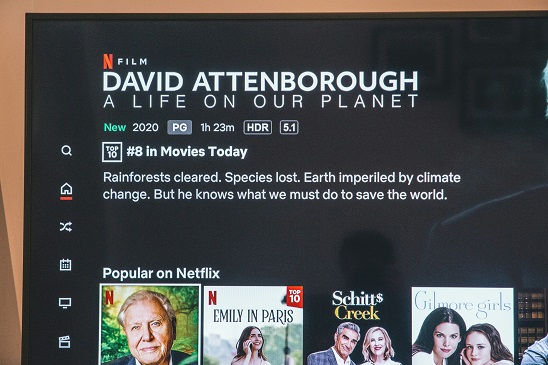
Documentary filmmaking have increasingly gained traction in contemporary media, emerging as a vital tool for education and awareness. In recent years, their popularity has soared, as viewers seek content that transcends mere entertainment. Unlike traditional films, documentaries serve a deeper purpose by providing viewers with authentic narratives that illuminate complex socio-political issues, cultural phenomena, and personal stories. This growing appreciation for documentaries can be attributed to their unique capacity to inform and educate while presenting diverse perspectives.
The evolution of documentary filmmaking has been significantly influenced by advancements in technology. High-definition cameras, mobile filmmaking tools, and streaming platforms have democratized the production and dissemination of documentaries. As a result, independent filmmakers can now produce compelling content that rivals major studio productions. This technological transformation has not only expanded the pool of documentary creators but also provided audiences with more varied voices and stories, enriching the viewing experience.
Furthermore, the cultural significance of documentaries in shaping public opinion is undeniable. By shedding light on underrepresented narratives and pressing global issues, documentaries act as catalysts for discussion and awareness. They foster critical thinking, encouraging audiences to question prevailing narratives and consider alternative viewpoints. In 2026, as societal challenges persist, the role of documentaries in enlightening viewers about pressing concerns is more crucial than ever. They hold the power to influence public discourse and drive change by compelling audiences to engage with the world around them.
Top Documentaries to Watch in 2026
As we delve into the realm of documentaries scheduled for release in 2026, a diverse array of topics unfolds, representing the complexities and richness of the human experience. Each selection not only showcases remarkable storytelling but also embodies a commitment to sparking conversation and reflection.
One notable documentary is “Beyond Borders: Climate Change Activism”, directed by acclaimed filmmaker, Maria Santos. This documentary tackles the pressing issue of climate change through the eyes of grassroots activists across the globe. By featuring diverse voices from various socio-economic backgrounds, it presents a comprehensive look at individual and collective efforts made to combat environmental degradation.
Another compelling entry is “Unchanged: The Fight for Social Justice”, which sheds light on the ongoing struggle for racial and social equity. Directed by James Eli, this documentary not only chronicles historic movements but also connects them to contemporary issues, illustrating how the fight for justice is far from over. The film offers poignant insights from activists and historians, fostering a deeper understanding of the social fabric.
The fascinating documentary “Labyrinths of the Mind”, directed by Dr. Emily Tran, invites audiences into the intricate universe of mental health and neuroscience. Through interviews with leading experts and individuals with lived experiences, the film explores the latest research, challenges stigmas, and advocates for more humane approaches to mental health treatment. This documentary stands out for its efforts to democratize access to mental health knowledge.
For history enthusiasts, “Echoes of the Past: Uncovering Forgotten Stories” offers a captivating journey through lesser-known historical events. Filmmaker Alex Rivera masterfully weaves narratives from different cultures, aiming to preserve and highlight stories that have been overshadowed by mainstream historical accounts. The documentary skillfully engages the audience with a range of visual and narrative techniques, making history accessible and engaging.
In conclusion, the documentaries featured in this list not only highlight diverse themes including climate change, social justice, mental health, and historical narratives, but they also promise to inspire, educate, and provoke thoughtful discussion among viewers in 2026.
Director Spotlights: Influential Documentary Filmmakers of 2026
In 2026, the documentary landscape has been significantly enriched by a diverse group of filmmakers who are pushing boundaries and redefining storytelling. Among these influential documentary filmmakers is Ava Lopez, known for her poignant exploration of mental health issues through the lens of personal experiences and societal stigma. Her latest project, Breaking the Silence, has captivated audiences and critically examined the experiences of those grappling with mental illness. Lopez’s empathetic storytelling style resonates with viewers, often drawing upon her background in psychology, which imbues her works with a compelling authenticity.
Another prominent figure this year is Malik Thompson, who emphasizes environmental activism within his films. With a strong commitment to showcasing the urgency of climate change, his recent documentary, Our Planet’s Urgency, investigates the intricate relationships between industrialization and environmental degradation. Thompson’s innovative use of drone technology and immersive cinematography has not only elevated the visual appeal of his documentaries but also effectively highlights the dire need for ecological conservation.
Furthermore, the spotlight is shared by the veteran filmmaker Elena Kim, whose expansive body of work tackles cultural identity and social justice issues. In 2026, Kim released Voices of the Forgotten, a documentary weaving together narratives from various marginalized communities. Her filmmaking approach is characterized by a deep respect for the subjects she portrays, highlighting their stories with sensitivity and care. Kim’s contributions to documentary filmmaking have inspired a new generation of creators who aspire to address pressing social issues through their art.
These filmmakers exemplify the vibrant and dynamic nature of contemporary documentary filmmaking, where creativity meets critical social discourse. Through their dedication and innovative storytelling methods, they continue to raise awareness and invoke meaningful conversations around significant themes in our society.
How to Access and Support Documentaries
Accessing and supporting documentaries in 2026 is more convenient than ever, thanks to a multitude of streaming platforms that cater to diverse tastes and interests. Major platforms such as Netflix, Amazon Prime Video, and Hulu routinely feature a rich selection of documentaries, highlighting both popular and lesser-known titles. Additionally, specialty platforms like CuriosityStream and DocuBay focus exclusively on documentary content, offering subscribers an extensive library of films that cover numerous themes and topics.
Beyond mainstream streaming services, many networks and independent channels, such as PBS and VICE, provide access to critical documentary films. By subscribing to these channels or networks, viewers can directly support the creators behind these impactful narratives. Furthermore, various film festivals dedicated to documentaries, such as Sundance and Tribeca, often showcase premieres and unique selections, allowing audiences to experience new works while engaging with filmmakers through panels and discussions.
Community screenings also play a vital role in promoting documentary films. Local theaters and educational institutions frequently host these events, providing a platform for filmmakers to connect with audiences on a personal level. Attending these screenings not only helps in raising awareness about important issues but also supports grassroots efforts to sustain independent documentary filmmaking.
In addition to consuming content, audiences can play an active role in supporting documentary filmmaking through donations and crowdfunding campaigns. Various organizations, such as the International Documentary Association, advocate for the genre and rely on contributions to empower creators and promote new projects. Engaging with documentaries through subscriptions, advocacy, and participation in local screenings ensures that this essential form of storytelling continues to thrive.