

Declutter and Organize
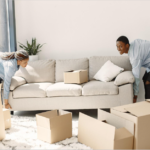
Creating a sense of spaciousness in your home begins with the essential task of decluttering tips and organizing your living environment. A cluttered space can have a detrimental effect on how spacious a room feels, often making it appear smaller and less inviting. When items are strewn about carelessly, they draw the eye and create a chaotic atmosphere. Therefore, the first step towards a more open feel in your home is to carefully sort through your belongings. Begin by tackling one area at a time. Divide your items into categories, such as keep, donate, and discard. For the items you wish to keep, consider whether they serve a functional purpose or hold sentimental value. If they do not meet either criterion, it may be wise to part ways with them. Donating unwanted items can also benefit those in need, adding purpose to your decluttering efforts. Effective storage solutions can also enhance the perception of space in your home. Utilize multi-functional furniture that optimizes storage without sacrificing design. For instance, ottomans with hidden compartments or beds with built-in drawers can greatly reduce clutter while maintaining a polished look. Floating shelves can keep floors clear and provide additional storage for decor and books.
Additionally, implementing a regular cleaning schedule can help maintain an organized space. Consider setting aside time weekly or monthly to reassess your belongings and remove any items that have accumulated over time. Establishing designated spots for various items will promote organization and make it easier to find things when needed. Ultimately, decluttering not only creates a more spacious ambiance but also contributes to mental clarity and well-being, allowing you to enjoy your home to the fullest.
Use Light Colors for Walls and Furniture
Creating an illusion of space in your home can significantly enhance its overall appearance and functionality. One effective approach is to utilize light colors for your walls, furniture, and decor. Light colors have the unique ability to reflect more light, making a room feel larger and more open than it actually is. When light colors are employed in a space, they can visually expand the area by reducing shadows and adding a sense of airiness.
When selecting a color palette, consider shades such as soft whites, pale pastels, and light grays. These colors can form a cohesive backdrop that brightens the environment and promotes a tranquil atmosphere. For instance, a soft white or beachy pale blue can evoke a sense of serenity and can easily blend with various decor styles. Incorporating these shades into your walls can create an expansive feel, allowing natural light to bounce around the room and enhance the spaciousness.
In addition to wall colors, furniture selection plays a crucial role. Opt for light-hued furniture – such as a beige sofa or cream-colored chairs – to complement the walls. This creates a seamless transition that prevents the room from feeling cluttered or boxed in. Accessories such as light-colored cushions, throw blankets, and rugs can further this effect. Additionally, consider choosing transparent or reflective furniture pieces, such as glass coffee tables or mirrored accents, as these can enhance the sense of openness while integrating seamlessly with light color schemes.
By strategically using light colors throughout your home, you can successfully create a spacious, inviting environment that feels both stylish and functional. This design choice not only enhances the aesthetics but can also uplift your mood, making your living space more enjoyable.
Optimize Natural Light
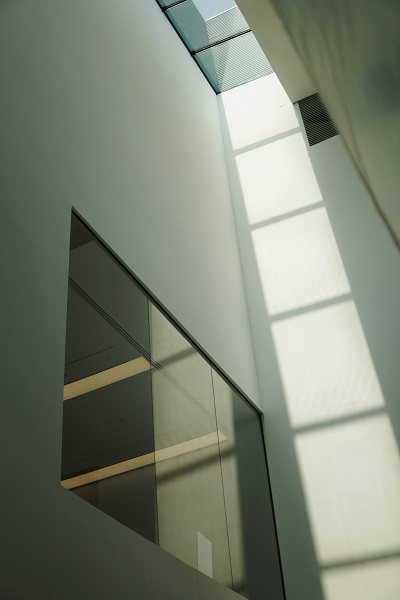
Maximizing natural light in your home can significantly contribute to an open and airy atmosphere, enhancing the overall spaciousness of each room. One effective way to achieve this is through the use of sheer curtains. Unlike heavy drapes, sheer fabrics allow sunlight to filter in while still providing a level of privacy. When hung from the ceiling to the floor, they create an illusion of height, thus making the room feel larger.
Another strategy is the strategic placement of mirrors. Mirrors can effectively reflect and amplify light. Positioning a large mirror across from a window can double the brightness by bouncing sunlight back into the room. Additionally, consider using smaller decorative mirrors in different shapes and sizes to create visual interest while still serving the purpose of enhancing natural light.
Room layouts can also play a crucial role in maximizing natural light. Opt for open-concept designs that minimize barriers between spaces, allowing light to flow freely throughout your home. Arrange furniture to avoid obstructing windows and light sources. Avoid tall furniture pieces in front of windows, and choose lower profile furniture that does not block the light entering the space.
Furthermore, keeping windows clean and unobstructed is essential. The more light that can enter without interruption, the more expansive the environment will feel. Regularly cleaning blinds and window frames will also help maintain brightness.
In essence, by integrating sheer curtains, strategically placed mirrors, and thoughtful room layouts, you can significantly enhance the natural light in your home, promoting a more spacious and inviting atmosphere.
Choose Multi-Functional Furniture
In contemporary interior design, selecting multi-functional furniture has emerged as a highly effective strategy for maximizing space. As living spaces, especially in urban settings, become increasingly limited, choosing versatile furniture pieces becomes paramount. Multi-functional furniture not only serves various roles but also fosters an organized environment, creating the illusion of a more spacious home.
One prime example is the sofa bed, which seamlessly transitions from a comfortable seating area during the day to a cozy sleeping space at night. This dual-purpose item is ideal for small homes or apartments where dedicating a separate room for guests is often not feasible. Furthermore, it eliminates the need for additional furniture and thus opens up the room for more movement and flexibility.
Another excellent choice is ottomans that come equipped with storage. These pieces can serve as footrests, extra seating, or even side tables while providing a hidden compartment to store blankets, magazines, and other items that could otherwise clutter your living spaces. By utilizing ottomans in this way, homeowners can maintain a clean and organized environment while efficiently managing available space.
Extendable dining tables also exemplify how multi-functional furniture can help create a more spacious feel. These tables can expand to accommodate extra guests during gatherings and contract for everyday use, providing flexibility without permanently sacrificing space. This functionality not only makes dining areas more efficient but also enhances the overall usability of the home’s layout.
Incorporating such adaptable furniture ensures that every square foot is optimized, making your home not just look larger but also more organized and inviting. By embracing multi-functional furniture, you can achieve a harmonious balance between style and practicality, resulting in a more spacious and pleasurable living environment.
Create Open Spaces with Layout Design
One of the most effective strategies for making your home feel more spacious is through careful furniture arrangement and layout design. The way you place furniture can significantly impact the perception of space within a room. To achieve an airy and open environment, consider a minimalist approach. Select essential pieces of furniture that serve both functional and aesthetic purposes, avoiding clutter and excessive decor that can overwhelm the space.
When arranging your furniture, aim for an open layout that promotes movement and flow. Ensure that walking paths are easily navigable; this can be accomplished by spacing out large pieces like sofas and chairs, thereby preventing obstruction in transit areas. For example, positioning your sofa away from the walls can create a more intimate yet open setting while allowing more space in the center of the room. This encourages natural circulation and can lead to the illusion of a larger area.
In smaller rooms, consider multifunctional furniture that combines utility with design, such as coffee tables with hidden storage or ottomans that provide both seating and style. Less is indeed more in this case. Select a palette of light or neutral colors for your furnishings; this helps to reflect light and contributes to a brighter, more spacious feel. Incorporating vertical lines—such as tall bookshelves or artwork hung high on the walls—can further elongate the perception of height in a room, complementing the spacious atmosphere.
Ultimately, a thoughtful and intentional layout design not only fosters a roomy ambiance but also enhances the overall functionality of your living space. By embracing minimalist principles and mindful arrangement, you can effectively transform your home into a sanctuary that feels open and inviting.
Use Vertical Space Effectively
One of the most effective strategies for creating a sense of spaciousness in your home is to utilize vertical space. This approach not only helps in maximizing the available space but also draws the eye upward, enhancing the perception of height within a room. Shelving, wall-mounted storage solutions, and tall furniture pieces can completely transform a space, making it appear larger and more open.
When implementing vertical storage, consider installing shelves that extend up to the ceiling. These shelves can be used to display books, decorative items, or plants, effectively utilizing the often-overlooked upper areas of your wall. This not only keeps the floor clear but also creates focal points that can draw attention away from the room’s dimensions. Additionally, wall-mounted storage units can be particularly effective in smaller spaces, as they provide ample storage without occupying valuable floor space.
Incorporating taller furniture is another way to enhance verticality. Opt for tall bookcases, cabinets, or even floor-to-ceiling curtains. Such choices not only provide additional storage but also lead the eye upwards, encouraging a sense of elevation. This can be particularly impactful in rooms with high ceilings where the vertical lines created by furniture can help to balance the proportions of the space.
Moreover, consider painting the walls in lighter shades and aligning stripes decoratively. Light colors can make walls appear farther away, while vertical stripes can further emphasize the height of the space. Mirrors placed strategically can also enhance this effect by reflecting light and creating the illusion of depth.
By effectively utilizing vertical space, you can significantly enhance the overall feel of your home, creating a more spacious and inviting environment. This strategy not only provides functional benefits but also contributes to an aesthetically pleasing atmosphere that can transform the way you experience your living areas.
Incorporate Mirrors Strategically
Utilizing mirrors within your home can significantly enhance the perception of spaciousness in any room. Mirrors have the unique ability to reflect light and create an illusion of depth, ultimately making the space feel larger and more inviting. When strategically positioned, mirrors can double the effect of natural light, making rooms appear brighter and more open.
Consider choosing large, floor-to-ceiling mirrors in areas where you want to create maximum impact. These mirrors, especially when placed opposite windows, not only reflect the view but also invite more light into the room. Alternatively, a series of smaller mirrors can be used in a gallery wall format; this arrangement not only adds an artistic flair but also contributes to the illusion of expanded space.
Additionally, placement is key when incorporating mirrors. Hanging a mirror above a fireplace or a sofa can draw the eye upward, making ceilings feel taller. Meanwhile, mirrors in narrow hallways can add depth; they create the impression of a wider corridor. For smaller spaces, such as dining or reading nooks, using mirrored furniture or accents can enhance the openness without overwhelming the decor.
Moreover, consider the frame and style of the mirrors to complement your overall decor. Sleek, modern mirrors will contribute to a contemporary feel, while ornate frames can add a touch of classic elegance. Regardless of style, placement and size considerations remain essential when using mirrors to maximize the spatial qualities of your home.
8. Keep Doorways and Hallways Unobstructed
Open and unobstructed doorways and hallways play a crucial role in creating the illusion of a more spacious home. When these pathways are clear, they promote better movement within the living space and enhance the overall flow of the home. It is essential to consider how furniture placement can impact the accessibility of these areas.
To achieve a more open environment, avoid placing furniture directly in front of doorways or within hallways. This not only restricts movement but can also create a sense of confinement in spaces where one would like to feel free to wander. Instead, strategically position furnishings along walls, ensuring there is ample room for individuals to traverse without the need for awkward maneuvering.
Additionally, it is wise to limit excessive decorations and accessories that may congregate in walkways. A well-decorated space should not compromise functionality; therefore, opt for wall-mounted decor, which can add aesthetic appeal without obstructing pathways. Mirrors can also be excellent additions in narrow spaces, providing depth and creating the perception of additional square footage.
Moreover, consider the scale and size of your furniture. Bulky, oversized pieces can overwhelm a room, creating barriers that result in a cramped atmosphere. Instead, choose slimmer, more elegant alternatives that do not impede walkways while simultaneously contributing to an airy ambiance.
By keeping doorways and hallways unobstructed, homeowners can foster a welcoming environment that enhances comfort and livability. The small adjustments made to clear pathways can have a significant impact on how spacious your home feels, creating a sense of openness and tranquility throughout the living spaces.
Minimalist Decor
Minimalism in decorating is an approach that emphasizes simplicity and functionality by using fewer items while maintaining an inviting and aesthetically pleasing environment. The essence of a minimalist design is to create spaces that feel more spacious and organized, promoting a sense of calm and clarity. This methodology can greatly impact how one perceives the size and openness of their home.
To embrace minimalist decor, consider selecting a few impactful pieces that reflect your personal style rather than filling the space with numerous decorations. Each item should serve a purpose rather than being merely decorative. When choosing decor elements, opt for high-quality materials with simple lines and neutral colors. These choices tend to evoke a sense of peace and spaciousness and can enhance the feeling of openness in any room.
Utilizing open shelves can also contribute to a more minimalist approach. Open shelving offers both practicality and aesthetic appeal, allowing you to display select items while keeping the overall look uncluttered. This strategy not only provides easy access to your belongings but also encourages a thoughtful curation of your decor, as it invites you to choose only those items that are truly meaningful and visually appealing.
Avoiding cluttered displays is crucial in achieving a minimalist decor style; excessive ornaments and decorations can create a chaotic atmosphere, making spaces feel smaller. Instead, strive for a fewer-is-better philosophy. Designate specific areas for your decor, ensuring there is ample negative space to allow the eye to rest. This contrast between filled and empty space can make a room feel more open.
By thoughtfully integrating minimalist decor into your home, you can create an environment that not only feels larger but also reflects a serene lifestyle, reducing distractions and encouraging a more mindful existence.