

New flooring is one of those decisions that shapes the entire feel of your home. It affects how a room looks, how it sounds underfoot, and how much upkeep you’ll be signing up for in the years ahead. For homeowners who want the warmth and beauty of real wood without the headaches that often come with it, engineered hardwood has become the go-to solution.
At Elegance Flooring, we’ve watched this product grow from a niche alternative into one of the most requested flooring options on the market. It’s not hard to see why. Engineered hardwood delivers the authentic look of solid wood while offering better stability, easier installation, and a price point that fits more budgets. Whether you’re renovating a single room or outfitting an entire home, understanding what makes this flooring type special can help you make a confident, informed choice.
What Makes Engineered Hardwood Different From Solid Wood?
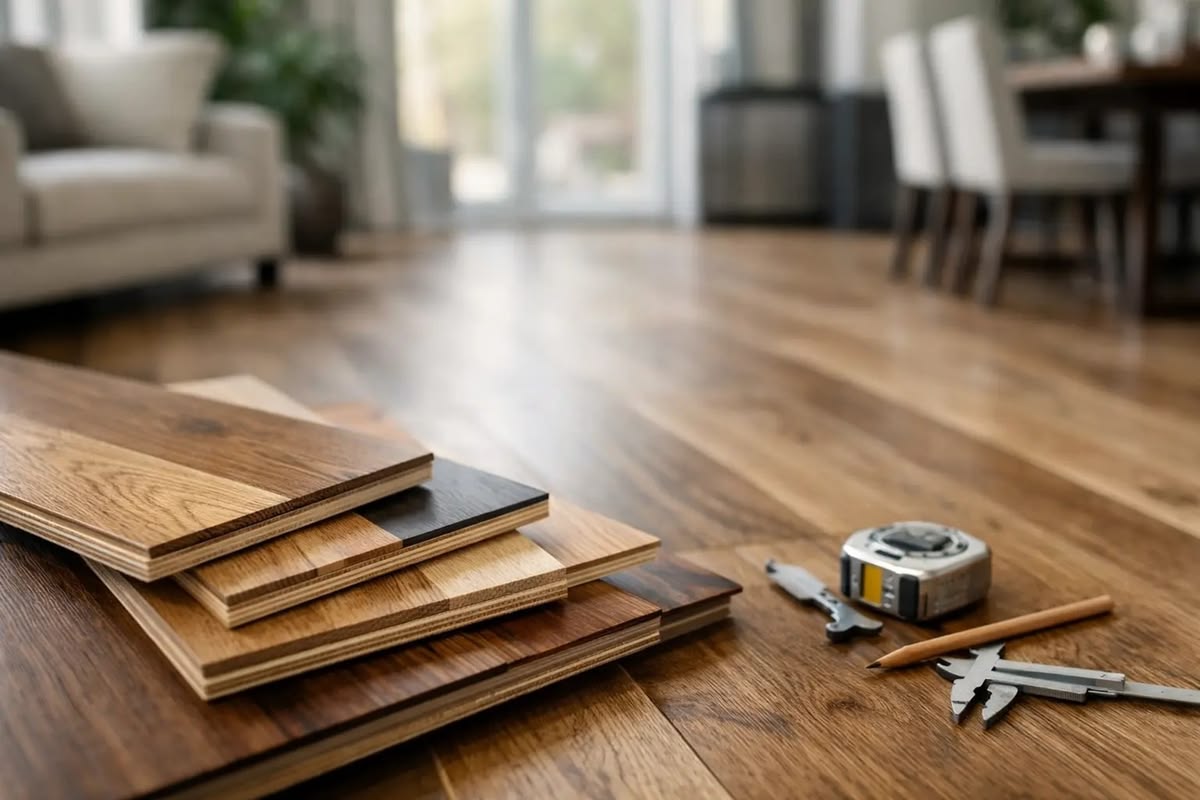
Engineered hardwood is built in layers. A top layer of real hardwood veneer sits atop several layers of plywood or high-density fiberboard, all pressed together under heat and pressure. This construction method gives the plank its strength and, more importantly, its resistance to the moisture and temperature swings that cause solid wood to warp or buckle.
Solid hardwood, by contrast, is a single piece of timber from top to bottom. It’s beautiful, but it reacts to humidity the way a sponge does, expanding and contracting with the seasons. Engineered hardwood solves that problem by design. The cross-layered core keeps the plank flat and stable, even in climates where solid wood would struggle.
For homeowners in basements, kitchens, or coastal areas with higher humidity, this distinction matters. Engineered hardwood opens the door to real wood flooring in rooms where solid wood was once considered a risky bet.
How Durable Is Engineered Hardwood Flooring?
Durability is one of the first questions homeowners ask, and it’s a fair one. Nobody wants to invest in new floors only to see them show wear within a couple of years.
The good news is that engineered hardwood holds up remarkably well under everyday life. The veneer layer comes in varying thicknesses, and thicker veneers can even be sanded and refinished down the road, much like solid wood. The plywood core beneath adds structural resistance to dents and pressure, which makes this flooring a strong match for busy households with kids, pets, or heavy foot traffic.
Proper maintenance still plays a role. Keeping floors clean, using protective pads under furniture, and avoiding standing water will extend the life of any hardwood floor, engineered or solid. But when it comes to day-to-day resilience, engineered hardwood consistently proves itself as a long-term flooring investment.
Does Engineered Hardwood Look as Good as Solid Wood?
This is where engineered hardwood truly shines. Because the top layer is genuine hardwood, there’s no plastic sheen or printed pattern trying to mimic wood grain. You’re looking at the real thing, with all the natural variation, texture, and character that makes hardwood so desirable in the first place.
Manufacturers now offer engineered hardwood in an extensive range of species, finishes, and plank widths, from classic oak to richer walnut tones. Wide-plank styles have also grown in popularity, giving rooms a more spacious, contemporary feel. Whatever aesthetic you’re working toward, farmhouse, modern minimalist, or traditional, there’s an engineered hardwood option to match it.
What Should You Consider Before Installing Engineered Hardwood?
A few practical factors are worth thinking through before installation begins.
Veneer thickness: Thicker veneers allow for more refinishing over the plank’s lifetime, which is worth considering if you want your floors to last for decades.
Subfloor compatibility: Engineered hardwood can be installed over concrete, plywood, and even some existing flooring, making it more flexible than solid wood for various home layouts.
Room exposure: While engineered hardwood handles humidity better than solid wood, it’s still a natural wood product. Areas with extreme or constant moisture, like full bathrooms, generally aren’t ideal candidates.
Installation method: Depending on the product, engineered hardwood can be glued down, nailed, or installed as a floating floor. Each method has implications for how the floor feels and performs over time.
Working with a flooring professional during this planning stage can save time, money, and frustration. The right guidance upfront prevents costly missteps once the planks are down.
Bringing Engineered Hardwood Into Your Home
Engineered hardwood flooring offers a rare combination of natural beauty, practical durability, and installation flexibility that’s hard to match with any other flooring type. At Elegance Flooring, we help homeowners navigate every step of this process, from selecting the right species and finish to ensuring proper installation for long-lasting results. Our team understands that flooring isn’t just a surface underfoot. It’s a foundational design choice that influences how a home feels for years to come.
If you’ve been weighing your options for a renovation or new build, engineered hardwood deserves serious consideration. It brings the timeless appeal of real wood together with the kind of performance that today’s homes demand.
Ready to Transform Your Space?
Floors take a beating every single day, so it makes sense to choose a material that can keep pace with your life while still looking exceptional. Engineered hardwood checks both boxes, offering genuine wood aesthetics with the stability and resilience modern households need.
If you’re ready to explore your options, the team at Elegance Flooring is here to help you find the perfect fit for your home, your style, and your budget. Reach out today to schedule a consultation and take the first step toward floors you’ll love living with.