Flickering lights when you run the microwave and dishwasher at the same time. Breakers that trip more often than they used to. An electrician who takes one look at your panel and shakes their head. These aren’t just annoyances — they’re your home’s way of telling you it’s outgrown its electrical system.
Homes built even 20 years ago simply weren’t designed for the electrical demands of modern living. Between electric vehicles, smart home devices, home offices, and an ever-growing list of appliances, today’s households draw far more power than older panels were built to handle. And when a panel can’t keep up, the consequences range from minor inconveniences to serious safety hazards.
At Boudreaux’s Electrical Services, we’ve helped countless homeowners recognize the warning signs before they turn into costly repairs — or worse, electrical fires. This post walks through the clearest indicators that your panel needs attention, what the process looks like, and why addressing it sooner rather than later protects both your home and your family.
Why Do Older Electrical Panels Struggle With Modern Power Demands?
Electrical panels installed decades ago were built for a different era. Back then, homes didn’t need to power central air conditioning, multiple televisions, electric ranges, and a garage full of power tools simultaneously. Many older panels max out at 60 or 100 amps, while today’s homes often require 150 to 200 amps to run comfortably and safely.
As families add square footage, appliances, and technology to their homes, they’re placing more demand on a system that was never designed to carry that load. This mismatch is one of the most common reasons homeowners call an electrician — not because something has already gone wrong, but because they’ve noticed the warning signs and want to get ahead of the problem.
What Are the Warning Signs That Your Panel Can’t Keep Up?
Several symptoms tend to show up when a panel is overwhelmed or aging beyond its useful life:
- Frequent breaker trips: If breakers trip regularly, especially when running multiple appliances, your panel may be struggling to distribute power safely.
- Flickering or dimming lights: This often points to voltage fluctuations caused by an overloaded system.
- Warm or discolored outlets and switches: Heat buildup near outlets is a serious warning sign that shouldn’t be ignored.
- A persistent burning smell: Any hint of burning near your panel warrants an immediate inspection.
- Reliance on extension cords or power strips: If your home doesn’t have enough outlets to meet your needs, that’s a sign your electrical infrastructure hasn’t kept pace with your lifestyle.
- An outdated fuse box: Homes still running on fuse boxes rather than circuit breakers are due for a modern upgrade.
Any one of these signs on its own might seem minor. Together, they paint a picture of a system that’s being asked to do more than it was built for.
How Does an Electrical Panel Upgrade Improve Home Safety and Performance?
Beyond resolving the frustrating symptoms above, upgrading your panel delivers benefits that extend well past convenience. A modern panel supports higher amperage, giving your home the capacity to run new appliances, electric vehicle chargers, and smart devices without straining the system. It also reduces the risk of electrical fires caused by outdated wiring or overloaded circuits — a risk that grows every year as older components continue to degrade.
For homeowners considering a whole-home generator, an updated panel is often a prerequisite. Generators need a panel capable of integrating a transfer switch and distributing backup power efficiently across your home’s circuits. Trying to pair a new generator with an aging panel is a bit like putting a new engine in a car with a worn-out transmission — the mismatch limits performance and creates unnecessary risk.
Increased home value is another benefit worth mentioning. Prospective buyers and home inspectors both view an updated electrical panel favorably, since it signals that a home’s infrastructure has been properly maintained.
What Should Homeowners Expect During the Upgrade Process?
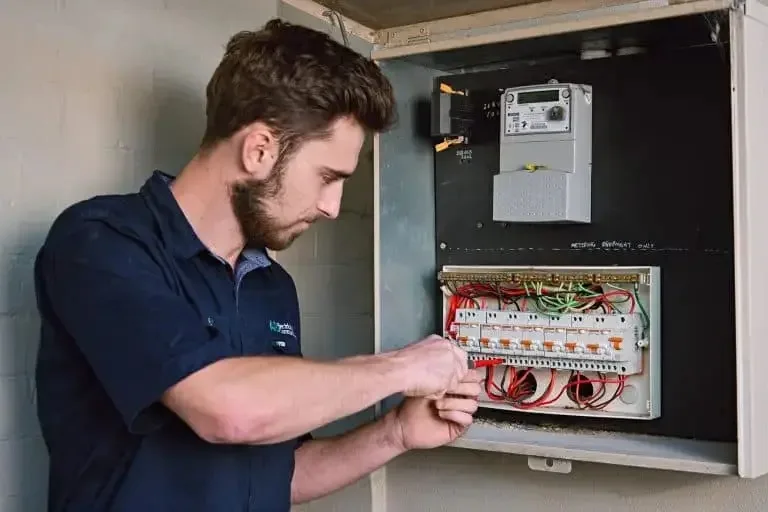
A properly upgraded electrical system gives your home the safety, capacity, and reliability it needs to support modern living, and it starts with professional Electrical Panel Upgrades tailored to your home’s specific power demands. The process typically begins with a thorough assessment of your current setup, including the age of your panel, your home’s square footage, and your household’s power usage patterns.
From there, a licensed electrician will recommend the appropriate amperage for your new panel — most residential upgrades today move to 150 or 200 amps, depending on the size of the home and future power needs. The actual installation involves disconnecting power, removing the old panel, installing the new one, and carefully rewiring circuits to meet current electrical code requirements. Most upgrades can be completed in a single day, though timelines vary depending on the complexity of the job and whether additional wiring updates are needed.
Throughout the process, safety and code compliance remain the top priorities. A properly executed upgrade doesn’t just solve today’s problems — it sets your home up to handle whatever comes next, whether that’s a new appliance, an EV charger, or a backup generator system.
Protect Your Home Before the Warning Signs Become Emergencies
Electrical problems rarely announce themselves clearly. They show up as small annoyances that homeowners learn to live with, until the day they don’t. Tripped breakers, warm outlets, and flickering lights are your home’s early warning system, and paying attention to them now can prevent far more serious issues down the road.
If you’ve noticed any of the signs discussed here, or if you’re planning to add a generator or major appliance to your home, it’s worth having a professional take a look at your current setup. Boudreaux’s Electrical Services has spent years helping homeowners upgrade their electrical systems safely and efficiently, ensuring their homes are ready for whatever the future brings. Reach out today to schedule an assessment and take the first step toward a safer, more capable electrical system.