


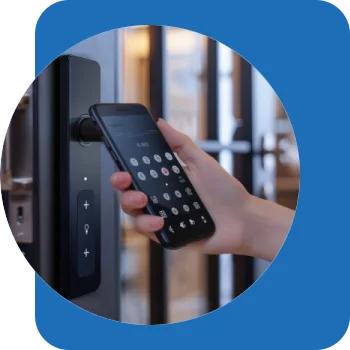
Hotels that adopt connected room technologies are redefining what guests expect from a stay. Instead of one-size-fits-all service, properties can now deliver tailored comfort, seamless control, and proactive support that feels both effortless and personal. This shift is driven by a combination of networked devices, intelligent software, and design thinking that places guest experience at the center. The result is a hospitality environment where convenience, wellbeing, and efficiency converge to create memorable stays.
Why connected rooms matter for guests
A connected room stretches beyond a single smart thermostat or keyless entry. It means systems communicate and learn: lighting responds to a guest’s circadian preferences, climate adjusts before arrival, and entertainment syncs with mobile profiles. These capabilities reduce friction in the guest journey, eliminating repetitive tasks and creating moments of delight. For frequent travelers, predictability and personalization increase loyalty; for first-time visitors, intuitive interfaces lower the barrier to enjoying amenities. The emotional impact of feeling understood and catered to can be as important as any physical upgrade.
Core technologies powering the experience
At the center of this transformation are sensors, actuators, and platforms that stitch data into actionable insights. Property-wide networks handle secure device communication, while cloud services enable orchestration and analytics. Edge computing keeps latency low for immediate control, while centralized systems manage guest preferences and operational rules. Many hotels are integrating IoT in hotels to link room controls, occupancy detection, and maintenance alerts into a unified fabric. Voice assistants, mobile apps, and in-room tablets provide multiple touchpoints so guests can interact in the way they prefer. Together, these layers create an ecosystem where automation and human service amplify each other.
Personalization and comfort
Personalization begins the moment a reservation is confirmed. Guest profiles can capture preferred room temperature, pillow firmness, streaming accounts, and lighting scenes. When a guest checks in, the room can be preconfigured to these settings, reducing setup time and creating immediate comfort. Beyond static preferences, adaptive systems learn patterns: if a guest opens the curtains at a certain hour each morning, the room can begin to suggest or automate that behavior. Personalization extends to amenities as well. Context-aware recommendations for dining or spa bookings, based on current occupancy and guest history, make services feel timely and relevant rather than intrusive.
Operational efficiency and sustainability
Connected rooms deliver benefits that extend to staff and property managers. Predictive maintenance flags faulty equipment before it fails, reducing emergency repairs and minimizing downtime. Energy management systems optimize heating, cooling, and lighting based on occupancy and usage patterns, striking a balance between guest comfort and sustainability goals. Housekeeping workflows become more efficient through real-time room status updates; staff are dispatched to occupied or service-ready rooms with fewer interruptions. These efficiencies lower operating costs and create smoother service, enabling teams to focus on high-value human interactions that technology cannot replace.
Design, privacy, and trust
Introducing more connected devices into guest rooms raises important questions about privacy and design. Technology that enhances convenience must be transparent about data collection and respectful of guest control. Clear opt-in choices, visible privacy indicators, and easy ways to disable features are essential. From a design perspective, hardware should blend with the room aesthetic and be intuitive to use; overly complex control panels or noisy sensors undermine the guest experience. Successful implementations treat technology as an invisible assistant—present when needed and otherwise unobtrusive.
Integration with staff workflows
A truly transformative connected room is not isolated from hotel operations. Integration with property management systems and staff communication platforms ensures that guest requests, maintenance alerts, and service notes flow naturally to the teams responsible. When front desk staff can see a guest’s in-room preferences, recommendations and upgrades become more personalized. When engineering teams receive sensor-driven fault notifications, they can resolve issues before guests notice. These linkages create a virtuous cycle: better operations enhance guest satisfaction, leading to stronger reviews and repeat stays.
Measuring impact and ROI
Hotels should measure connected room initiatives with guest-centric metrics as well as operational KPIs. Guest satisfaction scores, repeat booking rates, and time-to-service resolution reflect the customer-facing benefits. On the operational side, reduced energy consumption, lower emergency maintenance costs, and improved housekeeping efficiency provide tangible financial returns. Pilots and phased rollouts help identify the most valuable features for a particular property type, allowing investments to be prioritized where they deliver the fastest, most meaningful impact.
Future directions
Looking ahead, connected rooms will become more contextually aware and anticipatory. Advances in machine learning will allow systems to predict needs—refilling minibars based on past behavior or suggesting room adjustments when a traveler’s itinerary changes. Interoperability standards will improve, making it easier for hotels to integrate solutions from different vendors without sacrificing security. At the same time, guest expectations will evolve; hotels that strike the right balance between seamless automation and genuine human hospitality will stand out. The goal is not to replace staff with technology, but to empower teams to offer more thoughtful, efficient, and personalized service.
Connected room technologies represent a convergence of convenience, sustainability, and thoughtful design. When implemented with an emphasis on privacy, interoperability, and measurable outcomes, they transform ordinary stays into experiences that feel curated for each individual. For hotel operators and guests alike, the promise of smarter rooms is not merely technological novelty but a pathway to hospitality that is more responsive, more efficient, and more humane.