Understanding Minimalism
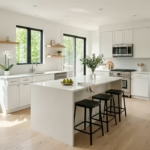
Minimalism is a design philosophy that emphasizes simplicity, functionality, and elegance. Originating in the mid-20th century as a response to the excesses of the art world and consumer culture, minimalism has influenced various fields, including architecture, interior design, and lifestyle choices. This movement is characterized by the significant reduction of elements, allowing space, light, and nature to take center stage. At its core, minimalist design seeks to create environments that are free from clutter and distraction. The principle of “less is more” encapsulates this ideology, encouraging individuals to focus on the essentials that genuinely enhance their lives. This approach often entails distinguishing between what is necessary and what is excessive, which can lead to a more organized and peaceful living space. One of the key aspects of minimalism is decluttering. By removing unnecessary items, homeowners can foster a serene atmosphere where each object has purpose and intention. The color palette in minimalist spaces often features neutral tones, such as whites, grays, and earth tones, which contribute to the calming effect often sought in these environments. Additionally, clean lines and open spaces facilitate a sense of tranquility and coherence.
Examples of minimalist design can be found in contemporary architecture, where structures are stripped of superfluous elements and focus on geometric shapes. Interior spaces often incorporate functional furniture that serves multiple purposes, maximizing space without sacrificing aesthetics. Well-chosen decor pieces, such as a single statement artwork or a unique sculpture, can enhance the aesthetic without overwhelming the senses. Ultimately, minimalist design aligns with a more intentional lifestyle, allowing individuals to cultivate environments that promote clarity and serenity.
Benefits of Minimalist Home Decor
Adopting a minimalist approach to home decor presents numerous advantages, extending from psychological well-being to financial savings. One of the most notable benefits of minimalist home decor is the reduction of stress. A clutter-free environment creates a serene atmosphere, which can significantly decrease anxiety and promote a sense of calm. By limiting the number of items displayed, individuals may find their minds less distracted, leading to enhanced focus and productivity. In this way, minimalist decor not only improves the aesthetic appeal of a space but also fosters a mentally healthy living environment.
Furthermore, maintaining a minimalist home is considerably easier than managing a cluttered one. The simplicity of minimalist decor means that there are fewer items to clean, organize, and rearrange, making chores less time-consuming. This easy maintenance translates to a tidy living space that contributes to a more orderly life. In busy households, this aspect of minimalist decor is particularly beneficial, as it allows residents to spend less time on upkeep and more time enjoying their surroundings.
In addition to psychological benefits, adopting a minimalist lifestyle can also lead to financial advantages. With fewer possessions, consumers often feel encouraged to purchase less, leading to reduced spending on unnecessary items. This shift in mindset promotes mindful buying habits, ultimately making the minimalist approach not just an exercise in physical space management, but also a strategy for better financial health. Consequently, the ethos of minimalism can lead to a more sustainable lifestyle both environmentally and economically, aligning modern consumerism with principles of conservation and intentionality.
Choosing a Minimalist Color Palette
When decorating your home in a minimalist style, selecting the right color palette is essential for achieving a soothing and cohesive atmosphere. The foundation of a minimalist aesthetic lies in the use of neutral colors, which are characterized by their ability to create a calm and uncluttered environment. These shades provide a backdrop that allows other elements in the space to shine without overwhelming the senses. Common neutral colors include whites, beiges, grays, and soft earth tones.
To enhance the minimalist design, consider using a monochromatic color scheme, which utilizes various shades of a single color. This approach not only adds depth to the space but also maintains the simplicity that is characteristic of minimalism. Additionally, introducing accent colors through decor items or furnishings offers a subtle yet effective way to add personality without compromising the overall aesthetic. For instance, incorporating a muted blue or warm terracotta can serve as a refreshing contrast against a primarily neutral backdrop.
It is essential to understand the psychological impact of the colors you choose. Softer hues often evoke tranquility and relaxation, making them ideal for bedrooms and living areas. On the other hand, bolder accent colors can energize a space and stimulate creativity, contributing positively to rooms such as home offices or studios. Choosing the right combination of base and accent colors can help maintain harmony in your home, allowing each area to flow seamlessly into the next.
Overall, embracing a minimalist color palette is about striking the right balance between simplicity and visual interest. By carefully selecting and combining neutral tones with thoughtful accent colors, you can create an inviting and serene atmosphere that enhances the minimalist principles of your home decor.
Selecting Functional Furniture
In minimalist decor, the selection of functional furniture is paramount. The essence of minimalism is to create a space that is devoid of clutter while maximizing utility. Therefore, when choosing furniture, it is essential to focus on pieces that serve multiple purposes. Multifunctional furniture not only ensures that space is utilized efficiently but also contributes to a cleaner aesthetic.
Key criteria for selecting functional furniture should include simplicity in design, ease of maintenance, and adaptability to different settings. A prime example of this would be a sofa bed, which offers both seating and sleeping arrangements while occupying minimal space. Additionally, nesting tables can be an excellent choice as they can be stored conveniently when not in use, thereby reducing visual clutter.
When incorporating these minimalist furniture designs into your home, it is crucial to maintain a balance between functionality and aesthetics. Choose colors and materials that resonate with a minimalist palette, typically featuring neutral tones and natural materials. Opt for furniture that fits seamlessly into your existing decor — for instance, a sleek, low-profile coffee table can complement a minimalist living room without overwhelming the space.
Furthermore, consider the layout of your room before purchasing new furniture. Ensure there is sufficient room for movement, as overcrowding can disrupt the minimalist ethos. By strategically placing furniture, such as a slim-lined shelving unit or a compact dining table, you can achieve a harmonious look that promotes openness and tranquility.
In summary, selecting functional furniture is integral to achieving a minimalist aesthetic in your home. By prioritizing multifunctionality and thoughtful design, you can create a living space that is both stylish and practical, embodying the minimalist philosophy of simplicity and functionality.
Decluttering Your Space
Decluttering is a fundamental step towards achieving a minimalist home. It involves assessing your possessions and determining what is essential and what can be eliminated. One effective strategy is the KonMari method, which encourages you to evaluate items based on whether they spark joy. Begin by gathering all similar items in one location and reflecting on their significance in your life. If an item does not elicit a feeling of joy or serve a practical purpose, consider letting it go. This technique not only aids in reducing clutter but also promotes a more intentional approach towards what you own.
Another valuable approach is the one-in-one-out rule. This principle is simple: for every new item you bring into your home, you must remove an existing one. This method helps to maintain a balanced and uncluttered space, discouraging over-accumulation of belongings. It also encourages mindfulness about your purchases and can help prevent impulse buying, which is often the root of clutter.
To effectively organize your remaining belongings, categorize them based on usage and frequency. Frequently used items should be easily accessible, while those less often utilized can be stored away in less convenient locations. Consider utilizing storage solutions such as bins or baskets to keep items visually appealing and organized. Labeling can also assist in maintaining order, ensuring that everything has a designated place.
Regularly revisiting your clutter management practices is crucial. Set a schedule to reassess your items every few months to avoid accumulating distractions. A commitment to ongoing decluttering will help maintain your minimalist environment, allowing you to enjoy the tranquility that comes with a simplified space.
Creating Open Spaces
Open spaces are a fundamental principle of minimalist design, contributing significantly to the overall aesthetic and functionality of a home. By prioritizing openness, minimalism allows for a seamless flow from one area to another, fostering a sense of tranquility and order rather than chaos. To achieve this, careful planning of furniture arrangement is critical. It is essential to select pieces that serve multiple functions, as this reduces the need for excess items that can overcrowd a space.
When arranging furniture in a minimalist home, consider the layout that utilizes the available space effectively. For instance, opting for a layout that aligns seating areas toward each other facilitates conversation while keeping pathways clear. Limiting the use of large, cumbersome furniture can also enhance the openness of a room. Instead, incorporate lighter pieces that are visually transparent, such as glass tables or slim-legged chairs, which prevent any sense of heaviness in the space.
Additionally, decluttering is a significant aspect of maintaining open spaces. This entails regularly evaluating possessions and removing any items that do not serve a purpose or bring joy. By minimizing visual clutter, one can enhance the perception of space and calm. Utilizing multifunctional furniture, like an ottoman that doubles as a storage unit, can further assist in achieving a minimalist look while keeping spaces organized.
Another effective technique for creating an open atmosphere is to utilize natural light. Strategically placing mirrors can reflect light and create the illusion of a larger area. The use of neutral color palettes contributes to this effect as well, providing a serene background that enhances the spacious feel. By implementing these strategies, individuals can transform their homes into minimalist sanctuaries that exemplify openness and simplicity.
Incorporating Nature and Texture
A key aspect of minimalist decor is the seamless integration of natural elements and varying textures, which can enrich the aesthetic without overwhelming the simplicity inherent to this style. By focusing on materials that embody a connection to nature, such as wood, stone, and plants, one can achieve a balance that creates both a serene and inviting atmosphere.
Incorporating plants into a minimalist home is a compelling way to add life and color. Consider selecting a few strategically placed potted plants or a minimalist terrarium that serve as focal points in a clean, devoid of clutter, space. The organic shapes of leaves and the varying shades of green contribute to a fresh ambiance while maintaining a minimalist approach. Indoor trees, succulents, or trailing vines are excellent choices, as they can thrive in less attention and bring the outdoors inside.
Furthermore, using natural materials is essential in enhancing the minimalist theme. Wood elements, whether in the form of furniture, flooring, or decorative items, introduce warmth while offering visual interest. A sleek, unfinished wood coffee table or a wooden accent wall adds depth without detracting from the minimalist ideals. Similarly, using stone—be it through countertops, decorative accessories, or wall treatments—can evoke a sense of calm and permanence.
Varying textures is another essential component of creating depth in minimalist spaces. By mixing soft fabrics, such as linen or cotton, with harder surfaces like glass or metal, one can create an inviting environment that engages the senses. A plush area rug can soften a stark floor, while a throw blanket adds warmth on a sleek sofa. The key is to select a few quality pieces that embody natural aesthetics and promote a tranquil, harmonious space.
Personalizing Your Minimalist Home
Creating a minimalist home does not mean sacrificing your individual style or personal touch. In fact, the essence of minimalism is the careful selection and presentation of meaningful decor pieces that reflect who you are. To personalize your minimalist space effectively, consider choosing a small number of significant items that resonate with you emotionally or aesthetically.
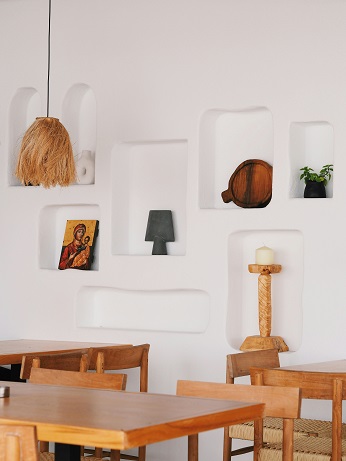
Start by assessing the decor pieces you already own. Identify items with memories or stories behind them—these could include artwork from a local artist, a cherished family heirloom, or a travel memento. Rather than cluttering your home with numerous decorative pieces, focus on displaying just a few select items that evoke positive feelings and draw attention to the minimalism of the overall space.
Placement of these pieces is crucial in maintaining the minimalist aesthetic. Strategically position them in places where they can stand out without overwhelming the environment. For instance, a vibrant painting can serve as a focal point on a neutral wall, while an exquisite vase can be showcased on a simple shelf or a coffee table, allowing it to shine through without competing for attention. Always opt for open space around these items to enhance their impact, allowing for contemplation and appreciation.
Additionally, consider the materials and colors of the decor you choose. In a minimalist home, texture and subtle hues can add depth without compromising simplicity. A carefully chosen textile, such as a soft throw blanket or a cozy rug, can enhance warmth while ensuring that the space feels inviting rather than stark.
Ultimately, personalizing your minimalist home is about striking a balance. By showcasing a few thoughtfully chosen items, you can infuse your living space with character while still embracing the beauty of minimalism. This approach not only elevates your decor but also creates a harmonious environment that feels uniquely yours.
Maintenance Tips for a Minimalist Home
Maintaining a minimalist home is essential to preserving the clean and clutter-free aesthetic that defines this design style. The maintenance routines should focus on cleaning, organizing, and reassessing possessions to ensure that the environment remains functional and serene. Regular cleaning is crucial in a minimalist space as it highlights the elegance of simplicity. Establishing a consistent cleaning schedule can help keep surfaces clear and items well-ordered. Opt for non-toxic cleaning materials to align with the minimalist ethos and support a healthy living environment.
Organization plays a key role in sustaining a minimalist home. Utilize storage solutions that complement the minimalist design, such as sleek, multifunctional furniture and hidden compartments, to keep frequently used items accessible while minimizing visual clutter. Regularly sorting through belongings to determine what is truly necessary can significantly contribute to an uncluttered environment. Implement the “one in, one out” rule; for every new item you bring in, consider removing an existing one. This practice helps in controlling the volume of possessions over time.
A key aspect of maintaining a minimalist home is the ongoing reassessment of items. Periodically evaluating your belongings can help ensure that only those that add value to your life remain. Make it a habit to review your belongings at least twice a year, focusing on clothes, decor, and kitchenware. This doesn’t necessarily mean discarding items but may include repurposing, donating, or even storing seasonal items for future use. Embracing these maintenance tips allows you to enjoy a functional minimalist home that reflects clarity and intentional living.