


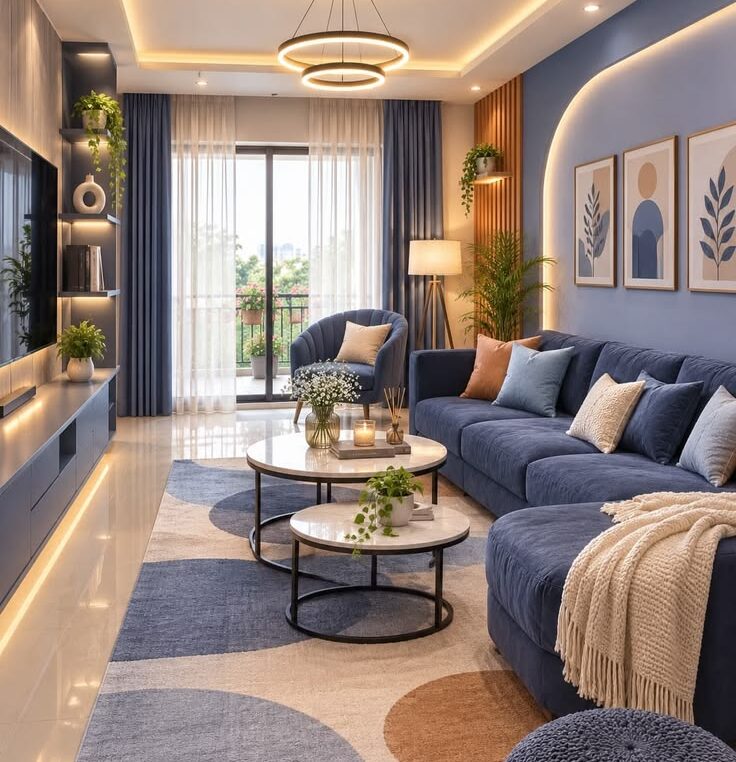
Introduction
Refreshing a living room can often seem like a daunting task, especially when the budget does not allow for the purchase of new furniture. However, reimagining your space does not always require financial investment; instead, it can be achieved through thoughtful alterations and strategic adjustments. By focusing on minor details and utilizing what is already available, you can significantly enhance the comfort, style, and overall ambiance of your living area.
The living room serves as the heart of the home, a gathering place for family and friends, and a space where comfort is paramount. Prioritizing a warm and inviting environment goes a long way in making your home feel like a true sanctuary. Fortunately, simple changes, such as rearranging existing furniture, updating decor items, or incorporating new color schemes, can profoundly impact the room’s atmosphere. These modifications can lead to the experience of a fresh, revitalized living space without the need to invest in new furniture.
Additionally, refreshing your living room opens up new opportunities for creativity. Whether it is swapping out throw pillows, adding a statement art piece, or experimenting with different lighting options, these small yet significant changes can breathe new life into your environment. The focus will not solely be on aesthetics; rather, creating an inviting atmosphere that appeals to both your senses and the needs of those who live in it is essential.
Therefore, as you embark on this endeavor to refresh your living room, remember that even the slightest changes can yield remarkable results. Embrace the challenge of transformation, and discover how your existing decor can be revitalized to create a warm, inviting space that reflects your personal style and enhances comfort.
Assessing Your Current Space
Before embarking on any refreshing journey, it is crucial to take stock of your existing living room setup. This initial evaluation allows you to understand the current layout, color scheme, and overall vibe that permeates your space. Start by observing how you use the room on a daily basis. Is it primarily for relaxation or entertainment? Knowing the primary function can help you determine necessary adjustments.
Next, evaluate the layout of your furniture. Consider how the arrangement affects the flow of movement and interaction within the space. Is there enough room for conversation, or do you find guests awkwardly navigating around obstacles? You might benefit from rearranging existing pieces to create a more inviting atmosphere. This can be a cost-effective way to breathe new life into your living room.
The color scheme also plays a significant role in the ambiance of your living area. Observe whether the current colors evoke the feeling you desire. Warm tones may create a cozy atmosphere, while cooler colors can lend a sense of tranquility. If the existing palette feels dated or uninspiring, consider introducing some easily changeable elements, such as throw pillows, artwork, or drapes, that harmonize with your vision.
As you assess these elements, take notes on areas that might need improvement. Highlight aspects that may seem off-balance or unappealing. Setting specific goals for your living room refresh can guide your approach, ensuring that each change aligns with your desired outcome. For instance, you might aim to create more seating, enhance the lighting, or incorporate elements that reflect your personal style. This thoughtful evaluation marks the first step in transforming your living room into a space that brings you joy and comfort.
Decluttering for a Fresh Start
In the pursuit of a refreshed living room, decluttering serves as an essential first step. This process not only creates a sense of space but also significantly enhances the room’s overall aesthetic appeal. A clutter-free environment promotes a more inviting atmosphere, enabling better interaction and relaxation. Moreover, psychological studies indicate that a tidy space can reduce stress and foster a sense of well-being.
To begin the decluttering process effectively, it is advisable to approach the task methodically. Start by selecting one area at a time within the living room, such as a shelf, coffee table, or corner. Gradually work through each item, asking yourself a series of questions to determine its value. Is it something you use regularly? Does it hold sentimental value? If the answer is no, it is wise to consider removing it from the space.
Items can generally be categorized into three groups: keep, donate, or discard. The items you choose to keep should resonate with you and contribute to the room’s functionality or aesthetic. Those set aside for donation may include duplicates, things rarely used, or items that are simply no longer relevant to your lifestyle. Discarding unusable items is crucial for maintaining a tidy environment; this might encompass broken or damaged goods that serve no purpose.
In addition to addressing physical objects, remember to declutter digital spaces related to your living room, such as photographs or digital decor ideas that no longer inspire you. The cumulative effect of decluttering both physical and digital spaces fosters clarity and peace of mind. As a result, you will undoubtedly notice an elevation in the visual appeal of your living room while simultaneously enhancing your personal comfort and satisfaction with the space.
Rearranging Furniture for New Perspectives
Rearranging furniture plays a pivotal role in altering the dynamics of a living room, offering a fresh perspective without the need for new purchases. Through strategic positioning, it is possible to enhance the overall atmosphere while ensuring the space remains functional. The arrangement of furniture can influence social interactions, optimize traffic flow, and even maximize the use of natural light in the room.
A common method to invigorate your living area is to consider the focal point of the room. For instance, if you have a fireplace or a large window, orienting the sofa and chairs towards this focal point encourages conversation and creates a welcoming atmosphere. Placing furniture in a circular arrangement can further enhance interaction, making it an ideal setup for gatherings or family time.
Another innovative approach involves employing the “zoning” technique, where different areas in the room are designated for various activities. For example, you may create a reading nook with a cozy armchair and a lamp in one corner while positioning a coffee table and seating around the television in another. This method not only utilizes space efficiently but also adds layers to the design, making it visually appealing.
Furthermore, to maximize natural light, consider moving larger pieces like sofas away from windows. This not only enhances the brightness of your space but also makes the room feel more open and airy. Adding mirrors across from windows reflects the light, thereby amplifying the effect.
In conclusion, rearranging existing furniture can significantly transform your living room into a space that feels new and dynamic, fostering interaction and promoting a sense of comfort. By experimenting with different layouts, it is possible to enhance both the aesthetics and functionality of the room without incurring additional expenses.
Incorporating Personal Touches and Art
Creating a unique and welcoming living room goes beyond selecting the appropriate furniture; it significantly involves incorporating personal touches and art that can transform the ambiance of your space. Personal items such as memorabilia, photographs, and artwork not only reflect your personality but also invite warmth and a sense of belonging into the living area. Your living room can become a genuine expression of your life experiences and creativity.
To begin with, consider displaying personal photographs that evoke fond memories. These could include family events, travel adventures, or moments with friends. Arranging these photographs in attractive frames or a cohesive color palette can enhance the visual appeal while creating a sentimental atmosphere. A gallery wall featuring a mix of framed photographs and art pieces adds dimension and character to the room, drawing the eye and facilitating conversation among guests.
In addition to photographs, incorporating art pieces is essential for personalizing your living room. You can select original artwork or reproductions that resonate with your taste. Emerging from local artists can provide an authentic touch while supporting the community. When curating your art selection, consider the colors and themes that already exist within your living room to ensure harmony in design.
Lastly, creating a curated shelf provides an opportunity to display personal items such as books, collectibles, or handmade crafts. This not only creates visual interest but also allows you to share stories about your life and travels. Balanced arrangements and thoughtful grouping can contribute to a lively yet organized display. By thoughtfully incorporating these personal touches and art, your living room can evolve into a space that reflects who you are, making it feel distinctly yours.
Experimenting with Textures and Fabrics
Refreshing the living room does not necessitate the purchase of new furniture; instead, it can be achieved through the clever use of various textures and fabrics. Textures play a significant role in enhancing the visual appeal and comfort of a space. By incorporating different materials—such as soft blankets, plush throw pillows, and airy curtains—you can create an inviting atmosphere that encourages relaxation and warmth.
Throw pillows are an excellent starting point for experimenting with texture in your living room. They come in a myriad of sizes, shapes, and patterns, allowing for endless combinations. By combining various fabrics such as velvet, linen, and cotton, you can create a tactile experience that adds depth to your seating area. Consider using a mix of colors that complement your existing decor while introducing new shades to keep the space feeling lively.
Similarly, blankets can add both warmth and a layer of sophistication. Drape a chunky knit throw across the back of a sofa or layer a patterned blanket on a coffee table for an effortlessly styled look. This not only enhances the coziness but also provides opportunities for seasonal changes: think lighter fabrics in warmer months and heavier, textured materials during colder weather.
Curtains also play a crucial role in elevating the room’s aesthetic. Opt for sheer fabrics to bring in natural light while maintaining privacy, or choose heavier draperies for a more dramatic effect. When selecting colors, consider how they interact with the other elements in the room, ensuring that they harmonize without overwhelming the space.
Layering techniques are essential for a cohesive look. Start with a base color that aligns with your existing furnishings, then introduce complementary or contrasting colors to create a dynamic and inviting atmosphere. By thoughtfully combining fabrics and textures, your living room can transform into a comfortable and stylish haven without the need to invest in new furniture.
Exploring Lighting Options
Lighting plays a crucial role in determining the overall atmosphere of a living room. Good lighting not only enhances the aesthetic appeal of a space but also has the power to transform the mood and functionality of your room. By exploring various lighting options, homeowners can create a welcoming and vibrant environment without the need for new furniture.
One effective way to refresh the lighting in your living space is to optimize natural light. Consider using sheer curtains or blinds that allow sunlight to filter in, illuminating the room and providing a sense of openness. Placing mirrors strategically can also help bounce light around the room, making it feel larger and brighter. The use of light-colored paint can further enhance this effect, reflecting natural light and creating a more airy atmosphere.
In addition to natural light, incorporating lamps can significantly contribute to a living room’s overall lighting scheme. Table lamps, floor lamps, and wall sconces not only add style but also offer the flexibility to adjust lighting according to the time of day or specific activities. For instance, a reading lamp in a cozy corner can provide focused illumination, while decorative lamps can serve as accent pieces, enriching the decor.
Another popular option for enhancing mood lighting is the use of candles. Candles create a warm and inviting glow, beautifying the living room during the evenings. They can also introduce subtle fragrances that complement the ambiance. Layering different types of lighting, such as ambient, task, and accent lighting, can create a dynamic and versatile environment for various occasions, from casual gatherings to intimate dinners.
By carefully selecting and combining various lighting solutions, you can achieve a remarkable transformation in your living room, enhancing its comfort and appeal without the expense of new furniture.
Adding Greenery and Nature Elements
Integrating plants and elements of nature into your living room can significantly enhance the overall ambiance of your space. Plants not only contribute to the aesthetic appeal but also promote a sense of calmness and vitality. The presence of greenery can create a more inviting environment, purifying the air and helping to improve mental clarity and focus. Additionally, incorporating natural elements into your decor can evoke feelings of tranquility and well-being.
For those looking to refresh their living room without purchasing new furniture, including easy-to-care-for indoor plants is an ideal solution. Some popular options include:
- Spider Plant: Known for its resilience and air-purifying abilities, this plant is perfect for beginners.
- Snake Plant: This hardy plant thrives on neglect and can adapt to varied light conditions.
- Pothos: With its trailing vines, pothos is excellent for adding a touch of greenery on shelves or hanging pots.
- Peace Lily: Aside from its beautiful white flowers, this plant is known for its air purification qualities.
- Succulents: Available in an array of shapes and sizes, they require minimal watering and care.
When styling these plants, consider placing them in decorative pots that complement your existing decor. For a cohesive look, use similar colors or materials that tie in with your living room’s color scheme. Grouping different sizes of plants together can create visual interest, while varying heights can add depth to your space. Wall-mounted planters or hanging pots are also excellent options for saving space and drawing the eye upward, hence giving the illusion of a larger room.
Overall, incorporating greenery into your living room not only refreshes the space but contributes positively to your well-being. The integration of nature can transform a mundane environment into a lively and serene retreat.
Final Touches and Maintenance Tips
After successfully refreshing your living room, it is essential to focus on the final touches that can elevate the overall ambiance. One effective method is to incorporate various textures and materials through decorative pillows, throws, and rugs. This not only adds comfort but also creates visual interest. Consider experimenting with different color palettes to create a cohesive look, ensuring all elements complement one another, thereby enhancing the space without overwhelming it.
Maintaining the refreshed appearance of your living room is equally important. Regular cleaning is crucial for preserving the look and feel of your decor. Dusting surfaces, vacuuming carpets, and wiping down furniture will help keep the environment fresh. Furthermore, implementing a routine for deep cleaning, such as washing slips and cleaning upholstery, can prolong the life of existing items, making them appear as good as new.
Another significant factor in maintaining the aesthetic of your living room is rotating decor items periodically. By swapping out artwork, vases, or decorative objects, you can easily create a new focal point that keeps the space feeling dynamic and personalized. This practice allows for a continual evolution of your living area, sparking new inspiration and ensuring the environment remains reflective of your personality and current trends.
Lastly, encourage personalization throughout the room. Displaying meaningful items, such as family photographs or souvenirs from travels, adds character and warmth to the space. This not only enhances the visual appeal but also helps establish a connection with the environment. Over time, as you update and maintain your living room, it will become a unique reflection of your experiences and tastes, consistently inviting creativity and comfort.