


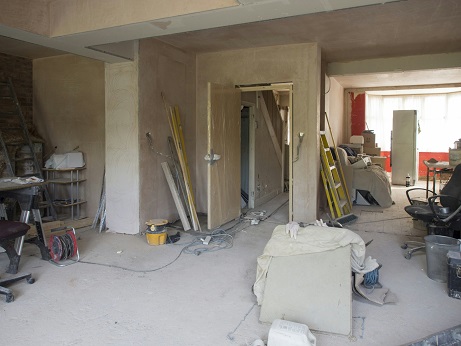
Introduction: The Importance of Planning
Home renovations can be an exciting endeavor, allowing homeowners to create spaces that reflect their personal style and enhance functionality. However, to navigate the complexities of such projects successfully, thorough planning is paramount. A well-structured plan serves as a roadmap, helping homeowners set clear goals, establish a reasonable budget, and understand the renovation process in detail. Setting clear goals is essential in any renovation project. Homeowners should identify what they want to achieve, whether it is to improve aesthetics, increase property value, or enhance energy efficiency. Clearly defined objectives guide decision-making, ensuring that all aspects of the renovation align with the overarching vision. Without a clear direction, projects can quickly become disorganized, leading to unnecessary expenses and delays.
Establishing a budget is equally crucial. Home renovations often come with unexpected costs, making it imperative to outline a comprehensive financial plan from the outset. This budget should encompass not only materials and labor but also contingency funds for unforeseen issues that may arise during the renovation process. Allocating sufficient resources helps mitigate stress and ensures that projects remain on track financially.
Understanding the renovation process is another vital component of effective planning. Familiarizing oneself with the steps involved—including design, permitting, and construction—can help homeowners anticipate challenges and prepare accordingly. Engaging professionals, such as architects or contractors, can provide invaluable insights and expertise, reducing the likelihood of costly mistakes.
In conclusion, a well-thought-out plan can significantly enhance the chances of a successful home renovation. By establishing clear goals, creating a realistic budget, and comprehending the renovation process, homeowners can avoid common pitfalls and make informed decisions that lead to satisfying outcomes.
Underestimating Costs
One of the most prevalent mistakes homeowners make during home renovations is underestimating the overall costs associated with the project. When embarking on a renovation, it is crucial to develop a comprehensive budget that encompasses not just the visible expenses but also those that may not immediately come to mind. This includes materials, labor, permits, and any unforeseen contingencies that may arise throughout the process. The failure to account for these elements can lead to financial strain and project delays.
To avoid this pitfall, homeowners should start by creating a detailed list of all the necessary items and services required for the renovation. This list should include not just the fundamental components, such as flooring, cabinetry, and appliances, but also lesser-known expenses like disposal of debris, temporary housing if necessary, and potential upgrades to electrical or plumbing systems. Each of these factors plays a significant role in the total cost and should be factored into the initial budget.
Moreover, it is advisable to include a contingency fund, typically ranging from 10% to 20% of the total estimated expenses. This financial cushion can be invaluable, as it prepares homeowners for unexpected increases in costs, such as price hikes in materials or the discovery of structural issues once walls are opened up. By planning for these variables, homeowners can gain a clearer understanding of the total financial commitment required.
In conclusion, accurately estimating renovation costs requires thorough research and careful planning. By considering all potential expenses and including a contingency fund, homeowners can set realistic expectations for their renovation projects, thus ensuring smoother execution and greater satisfaction with the end results.
Skipping the Permits
Obtaining the necessary permits before commencing any home renovation project is a critical step that many homeowners overlook. This oversight can lead to significant legal implications and financial penalties that may haunt them in future dealings related to their property. Permits are required to ensure that the work being performed adheres to local building codes and zoning requirements, which are established to safeguard public health and safety.
By neglecting to secure the appropriate permits, homeowners risk not only facing hefty fines but may also be forced to dismantle any unpermitted work should regulators take notice. This can lead to costly delays and an increase in renovation expenses. Furthermore, it’s essential to understand that unpermitted work can complicate future home sales. When potential buyers are interested in a property, they may conduct due diligence that includes verifying compliance with local laws and codes.
If it is revealed that renovations were performed without the necessary permits, buyers may back out of the sale altogether or significantly adjust their offers. This scenario not only jeopardizes the sale but can also greatly reduce the overall market value of the home. In some jurisdictions, title insurance companies may refuse to insure a property with unpermitted work, making it nearly impossible for a prospective buyer to secure financing, thereby leaving the homeowner at a standstill.
In conclusion, investing the time and effort to obtain all required permits not only protects homeowners from potential legal actions and fines but also preserves their property’s value and ensures a smoother transaction when it comes time to sell. It is prudent for every homeowner to consult local regulations before embarking on renovation projects to avoid these costly repercussions.
3. Overlooking Structural Issues
When planning any houston home remodeling project, it is crucial to prioritize the assessment of existing structural issues. Structural integrity is the foundation of any building, and ignoring potential problems can lead to dire consequences. Common structural issues include foundation cracks, sagging beams, and water damage, any of which can pose serious threats to both the safety of the occupants and the durability of the home.
Failing to identify these issues early in the renovation process can lead to escalating costs and extensive repairs later on. For example, discovering significant foundation problems after walls have been painted or new flooring has been installed could result in needing to rip up finished work, further inflating the renovation budget. Moreover, structural problems can go unnoticed until they manifest in more apparent ways, such as cracks in walls or ceilings and gaps in door and window frames.
A thorough inspection by a qualified professional is essential before commencing any renovation project. This inspection should cover key elements such as the foundation, load-bearing walls, and roof structures. Homeowners should also be aware that structural modifications made during renovations may require permits and adherence to local building codes, designed to ensure safety and stability.
Ultimately, by addressing structural issues ahead of time, homeowners can mitigate future risks and expenses. Investing in repairs prior to cosmetic updates enhances the overall safety and value of the property. Ensuring structural integrity not only elongates the lifespan of the home but also provides peace of mind for those living in it. Focusing on these aspects aids in avoiding costly mistakes during a home renovation, creating a solid foundation for future improvements.
4. Choosing the Wrong Contractor
One of the most critical decisions in a home renovation project is selecting the right contractor. The risks associated with hiring an unqualified or inexperienced contractor can lead to a cascade of issues, including delays, budget overruns, and subpar workmanship. Hence, it is essential to approach this decision with diligence and care.
Initially, it is advisable to compile a list of potential contractors by seeking recommendations from friends, family, or trusted online reviews. Once you have a shortlist, the next step is to vet each contractor thoroughly. Begin by checking their licensing and insurance, as these factors protect you against liability in case of accidents or substandard work. A legitimate contractor should readily provide proof of their credentials upon request.
After verifying their qualifications, the next vital step is to check references from their previous clients. Ask for details about the nature of the work completed, if it was finished on time, and whether the budget stayed within the initial estimate. Reputable contractors will have a portfolio of completed projects and will willingly share testimonials from satisfied customers.
Another factor to consider is the contractor’s experience with the specific type of renovation you are undertaking. Not all contractors have the expertise required for every kind of project. Therefore, it is prudent to hire a contractor who specializes in your particular renovation area, whether it be kitchen remodeling, roofing, or basement finishing.
Lastly, communication is key. Evaluate how promptly and clearly a contractor responds to your inquiries during the initial phases. A contractor who is unresponsive or unclear may also lack professionalism on the job. By taking these steps, you can mitigate the risk of selecting the wrong contractor and ensure a smoother, more successful home renovation process.
Ignoring Design and Functionality
One prevalent mistake homeowners make during renovations is neglecting the essential balance between design aesthetics and functionality. While contemporary trends may inspire some decisions, it is crucial to prioritize practical needs that complement one’s lifestyle. An inviting and stylish home often arises not just from following the latest designs but from making thoughtful choices that entwine these aspects harmoniously.
In the pursuit of a visually appealing space, many individuals may overlook how a specific design will impact everyday routines. For instance, a kitchen with remarkable visual flair is not of much use if it lacks sufficient storage or a practical workflow. Similarly, an open-concept living area can foster an inviting atmosphere but can also lead to a loss of privacy if not designed with careful thought to layout and flow.
Furthermore, it is wise to consider long-term usability when making design decisions. Trends can shift rapidly, making aspects that were once fashionable feel outdated within a few years. Therefore, opting for timeless solutions that incorporate both functionality and elegance will ensure longevity in the design. Homeowners should think beyond mere visual appeal and focus on how each element contributes to their overall comfort and enjoyment of the space.
Ultimately, achieving the perfect balance between design and functionality requires a comprehensive approach, incorporating both personal taste and practical requirements. By doing so, homeowners can avoid costly renovations and dissatisfaction with their spaces. This ethos not only enhances the immediate aesthetic but also caters to the homeowner’s lifestyle needs, leading to a truly functional and beautiful environment.
Effective Communication in Home Renovations
One of the most significant mistakes that homeowners can make during the renovation process is failing to communicate effectively with their contractors. Clear and open lines of communication are vital to ensure that expectations are established and met throughout the renovation project. Homeowners must understand that their input and feedback play a crucial role in the success of the renovation.
To foster effective communication, it is essential to set up regular check-ins with contractors. This can take the form of weekly meetings or progress updates that allow both parties to discuss any developments, concerns, or changes. Establishing a consistent schedule for these interactions ensures that both the homeowner and contractor remain aligned on project goals and timelines.
Another crucial aspect of communication is the clarity of information shared. Homeowners should articulate their vision clearly, providing as much detail as possible about their preferences, expectations, and budget constraints. This clarity helps contractors understand the project scope and avoid uncertainties that could lead to misinterpretations or costly errors. Additionally, homeowners should feel empowered to ask questions and seek clarification on any aspect of the renovation process, whether it’s about materials, timelines, or costs.
Furthermore, utilizing technology can enhance communication. Tools such as project management software or communication apps can facilitate real-time updates and documentation between homeowners and contractors. This not only keeps everyone informed but also creates a record of conversations and decisions made, which can be invaluable if disputes arise later.
Ultimately, effective communication is a cornerstone of a successful renovation project. By committing to an open and honest dialogue, homeowners and contractors can work collaboratively towards a common goal, significantly reducing the likelihood of misunderstandings and ensuring a smoother renovation experience.
Rushing the Process
Home renovations can be an exciting yet challenging endeavor that often brings about a sense of urgency to complete the project swiftly. However, rushing through the renovation process can lead to significant mistakes that may compromise the quality and durability of the work. It is essential to understand that a home renovation is not merely about finishing the project quickly; it involves making informed decisions that will affect the comfort and functionality of your home.
One of the primary dangers of hasty renovations is the potential for poor craftsmanship. When contractors or homeowners hurry through tasks, they may cut corners, leading to substandard work. For instance, improperly installed fixtures or unfinished surfaces can lead to a lack of durability, necessitating repairs or even complete replacements much sooner than expected. This added expense and inconvenience could have been avoided had a more methodical approach been taken.
Additionally, rushing can also result in inadequate planning and poor decision-making. Homeowners may feel pressured to select materials or designs without enough time to consider their practical implications. Decisions made in haste often lead to regret once the renovation is complete, as the chosen style may not align with the homeowner’s vision or the functionality required for daily living.
Moreover, an accelerated timeline can lead to project delays, as mistakes may need to be rectified before proceeding to the next stages. This not only extends the duration of the renovation but can also lead to increased costs—further emphasizing the need for a well-considered approach.
Taking the necessary time to plan, communicate effectively with contractors, and evaluate choices will foster a smoother renovation process. Prioritizing quality over speed in your home renovation will ultimately yield a better final result, enhancing both your living experience and the overall value of your property.
Neglecting the Environment
Home renovations can significantly impact the environment, often resulting in considerable waste and an increase in energy consumption. One of the most common mistakes homeowners can make is overlooking the ecological footprint of their renovation choices. With the growing awareness of climate change and environmental sustainability, it is crucial to consider eco-friendly practices and materials during the renovation process.
Integrating sustainable materials into your renovation project is a vital step toward reducing its ecological impact. Opting for materials that are sourced responsibly, recycled, or certified environmentally-friendly can make a significant difference. For example, bamboo is known for its rapid growth and renewability, making it an excellent flooring option. Other alternatives include reclaimed wood, which gives a second life to materials that might otherwise end up in a landfill, and recycled glass or metal tiles, which can add a modern touch to your designs.
In addition to the materials, the practices employed during renovations should be assessed for their sustainability. Choosing energy-efficient appliances and fixtures can drastically reduce long-term utility costs and energy usage. Moreover, incorporating proper insulation can minimize heating and cooling demands, lessening the reliance on fossil fuels. Homeowners should also consider incorporating renewable energy solutions, such as solar panels, as part of their renovations, providing an eco-friendly source of energy while potentially increasing property value.
Moreover, waste management should be prioritized. Implementing a recycling plan for construction debris can significantly reduce landfill contributions. Many materials can be reused or recycled, such as concrete, metals, and even fixtures that may be in good condition. Engaging with local recycling facilities can provide guidance on how best to dispose of waste responsibly.
Conclusion: Lessons Learned for a Successful Renovation
Home renovations can be an exciting yet daunting process that requires meticulous planning and execution. As explored in this article, avoiding common mistakes is critical to ensuring a smooth renovation experience. One of the most significant takeaways from a successful renovation is the necessity of thorough preparation. From budgeting effectively to selecting qualified contractors, every aspect must be considered to prevent setbacks during the project.
Additionally, understanding the importance of realistic timelines cannot be overstated. Many homeowners underestimate the duration required for various phases of renovation, leading to frustrations that can dampen enthusiasm for the project. Therefore, a comprehensive schedule that accommodates potential delays is advisable to enhance the overall experience.
Communication also plays a vital role in a successful renovation. Whether coordinating with specialists or discussing expectations with family members, transparent dialogue is essential to ensure that the vision for the home is met. Furthermore, keeping an open line with contractors allows for adjustments to be made swiftly, which can save time and resources.
Lastly, it is crucial for homeowners to remain flexible throughout the renovation process. Unexpected challenges may arise, from structural issues to changes in design preferences. A flexible approach can mitigate stress and lead to creative solutions that may ultimately enhance the project’s outcome.
In summary, avoiding common pitfalls through careful planning, effective communication, and adaptability can lead to a successful home renovation. Homeowners who heed these lessons are better positioned to create their dream living spaces without unnecessary hassle or expense.