

Introduction: Why Cleaning Hacks Matter
Cleaning your home can often feel like a daunting and time-consuming task. However, incorporating effective cleaning hacks can significantly streamline the process, enhancing both efficiency and results. These hacks encompass simple yet innovative techniques, tools, and approaches that not only save time but also yield better outcomes than conventional methods.
The relevance of cleaning hacks lies in their ability to simplify daily chores. By applying these strategies, homeowners can tackle tasks with more agility. For instance, utilizing everyday household items in unconventional ways can provide solutions for various cleaning challenges. Whether it is employing vinegar as a natural disinfectant or using baking soda for scrubbing surfaces, such practices demonstrate that household cleaning can be both economical and environmentally friendly.
Moreover, implementing cleaning hacks can lead to measurable time savings. In the fast-paced world we live in, finding ways to reduce the amount of time spent on chores is increasingly valuable. Techniques such as the “top-to-bottom” cleaning strategy — where you clean the highest surfaces first and work your way down — can prevent the need for repetitive cleaning and help keep your home systematically tidy.
Additionally, cleaning hacks contribute to a more thorough cleaning routine. They often address specific problem areas that may otherwise be overlooked, such as difficult-to-reach spots or stubborn stains. The incorporation of these methods not only enhances the overall cleanliness of your home but also elevates your satisfaction and comfort in your living space.
In summary, embracing home cleaning hacks should be part of every homeowner’s routine. By adopting these effective strategies, you can transform the often tedious chore of cleaning into a more manageable and productive experience.
Essential Cleaning Supplies for Every Home
To maintain a clean and organized living space, certain cleaning supplies are indispensable for every household. Investing in essential cleaning products not only streamlines the cleaning process but also promotes a healthier environment. Below are some must-have supplies that every home should keep on hand.
First and foremost, an all-purpose cleaner is crucial. This versatile product can be used on various surfaces including countertops, sinks, and appliances. Having a reliable all-purpose cleaner significantly reduces the need for multiple specialized products, allowing for swift and efficient cleaning.
Secondly, microfiber cloths are a game changer in home cleaning. Unlike traditional cleaning rags, microfiber cloths attract dirt and dust more effectively while reducing scratches on surfaces. They are reusable and can be washed multiple times, making them an eco-friendly choice as well.
Additionally, a good quality mop and bucket are essential for floor care. Whether you have hardwood, tile, or linoleum floors, having a mop that can handle both damp and dry cleaning is imperative. It facilitates the removal of stubborn dirt and grime, ensuring that your floors remain spotless.
Another critical item is a vacuum cleaner, particularly one with versatile attachments. This helps to reach corners and narrow spaces, significantly improving dust control within your home. Opting for a vacuum that can handle various floor types is beneficial for maintaining cleanliness throughout.
Lastly, a supply of baking soda and vinegar can serve multiple cleaning purposes—from deodorizing to stain removal. These natural products are effective and safe alternatives to harsh chemicals. By incorporating these essential cleaning supplies into your routine, you can streamline the cleaning process and ensure a well-maintained home.
Decluttering: The First Step to a Clean Home
Decluttering is a crucial initial step in achieving a clean and organized home. It not only enhances the aesthetic appeal of your living space but also contributes to mental clarity. The process of decluttering involves removing items that are no longer needed or used, which can significantly reduce stress and increase efficiency within the household.
One effective approach to decluttering is the ‘one in, one out’ rule. This simple principle suggests that for every new item that enters your home, an old item should leave. By following this rule, you prevent accumulation and encourage mindful purchases. This method can be especially useful in areas prone to clutter, such as closets, kitchens, and living rooms.
When it comes to decluttering specific rooms, it is advisable to tackle one space at a time. Start with areas that are most utilized, such as the kitchen. Begin by clearing out your pantry, checking expiration dates, and donating food items that are no longer suitable for consumption. Proceed to your counter space, removing any appliances or utensils that are not regularly used. Ensuring everything has a designated spot will prevent future clutter from reaccumulating.
The same process applies to your living room: sort through magazines, books, and decorative items. Consider utilizing storage solutions such as bins, baskets, or shelves to maintain organization. In the bedroom, focus on clothing; create separate piles for items to keep, donate, or discard. This strategy helps streamline your wardrobe and makes daily choices easier.
In conclusion, a methodical approach to decluttering not only optimizes your living space but also cultivates a peaceful environment conducive to relaxation and productivity. By employing strategies such as the ‘one in, one out’ rule and focusing on one room at a time, you pave the way toward a cleaner and more organized home.
Time-Saving Cleaning Hacks for Busy Individuals
For those with a packed schedule, keeping a clean home can often feel overwhelming. Fortunately, implementing some effective time-saving cleaning hacks can greatly alleviate this burden. Prioritizing cleaning tasks is essential for efficiency. Start by identifying high-traffic areas that require immediate attention, such as living rooms and kitchens, followed by less frequently used spaces. This method allows you to focus your efforts where they are most needed, ensuring that your home remains presentable even on a tight schedule.
Creating a cleaning schedule can also lead to significant time savings. By outlining daily, weekly, and monthly cleaning tasks, you can break down your chores into manageable segments. For instance, dedicating just 15 minutes each day to a specific area of your home can prevent overwhelming feelings often associated with larger cleaning sessions. This strategy promotes consistency and reduces the likelihood of tasks accumulating.
Utilizing timers can further enhance your cleaning efficiency. Setting a timer for a specific duration, say 20 minutes, encourages focused work and minimizes distractions. This technique motivates you to clean diligently within the set time frame. Racing against the clock makes it easier to maintain energy levels and enhances productivity. Additionally, consider working in zones; tackle one room or area at a time, allowing you to stay organized and accomplish more, even in short periods.
Moreover, employing multifunctional tools or products can streamline the cleaning process. For example, using a vacuum with attachments can eliminate the need for multiple devices, while multi-surface cleaners reduce the time spent switching cleaning products. In this way, busy individuals can maintain a clean and welcoming home with strategic planning, prioritization, and the right tools.
DIY Cleaning Solutions: Eco-Friendly Alternatives
As environmental awareness grows, many individuals are seeking ways to maintain cleanliness in their homes while minimizing their ecological footprint. One effective approach is to utilize homemade cleaning solutions made from common household items. Not only are these eco-friendly alternatives cost-effective, but they also reduce the reliance on commercially-produced cleaning products that often contain harsh chemicals.
One of the most versatile eco-friendly cleaning solutions is a simple mixture of vinegar and water. This solution can tackle various surfaces, including countertops, glass, and even bathrooms. The acetic acid in vinegar helps to break down grime and disinfect surfaces, all while being safe for the environment. To create this cleaner, mix equal parts of white vinegar and water in a spray bottle. If preferred, a few drops of essential oil can be added for fragrance.
Baking soda is another powerful ingredient that can be utilized in home cleaning. It serves as an excellent abrasive cleaner and deodorizer. For example, a baking soda paste made by mixing baking soda with water can effectively clean stubborn stains on kitchen appliances or bathroom surfaces. Simply apply the paste to the stain, let it sit for a few minutes, and scrub with a sponge or cloth.
Lemon juice is particularly useful due to its natural antibacterial and antiseptic properties. It can be used in cleaning solutions to brighten surfaces or eliminate odors. A mixture of lemon juice and water can serve as an effective disinfectant for kitchen and bathroom surfaces.
In conclusion, creating homemade cleaning solutions is a straightforward and sustainable way to keep your home clean. By using items such as vinegar, baking soda, and lemon juice, homeowners can develop effective cleaners that not only protect their health but also the environment. These DIY eco-friendly alternatives empower individuals to clean their spaces responsibly while ensuring a fresh and pleasant living environment.
Room-by-Room Cleaning Tips
When it comes to maintaining a clean and organized home, approaching the task room by room can make the process more manageable. Each area of your home presents unique challenges, requiring distinct cleaning solutions tailored to their specific needs.
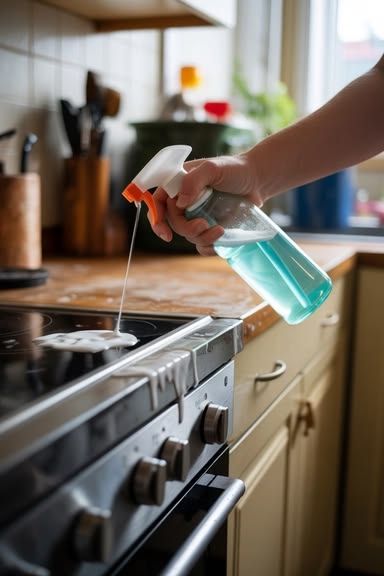
Kitchens are often the heart of the home but can quickly become cluttered and dirty. One effective hack involves using white vinegar and baking soda to clean stubborn stains and grease on countertops and stovetops. Mixing these two household staples creates a powerful natural cleaner that cuts through grime without harsh chemicals. For keeping your appliances shining, a simple application of lemon juice can help remove water stains and leave surfaces gleaming.
Moving to the bathroom, the buildup of soap scum and mildew can be a persistent nuisance. A practical solution is to create a paste using baking soda and vinegar. Apply this mixture to shower tiles and grout, allowing it to sit for 10-15 minutes before scrubbing. This not only eliminates mold but also refreshes the area with a pleasant scent. To keep your toilet clean, pour a mixture of baking soda and white vinegar into the bowl; let it fizz for a few minutes and scrub with a toilet brush for an effective clean.
In the living room, maintaining dust-free surfaces is essential for both aesthetic and health reasons. Regularly using a microfiber cloth can trap dust without spreading it around. For furniture, a homemade solution of olive oil and vinegar can help polish wooden pieces and bring out their natural shine. For cleaning upholstery, consider mixing equal parts of water and vinegar in a spray bottle; lightly mist the fabric and wipe with a soft cloth to refresh and remove light stains.
Lastly, the bedroom should be a sanctuary of peace and cleanliness. To combat allergens, ensure you wash bed linens regularly, utilizing hot water to eliminate dust mites. Vacuuming fabrics such as curtains and between the mattress can significantly enhance indoor air quality. Additionally, a quick declutter can clear surfaces, allowing for a serene environment. Incorporating these room-specific cleaning hacks will not only simplify the process but also create a welcoming and healthy home.
The Power of Routine: Establishing a Cleaning Schedule
Creating a cleaning schedule is an essential aspect of maintaining a tidy and organized home. The importance of having a routine cannot be overstated; it ensures that cleaning tasks are completed regularly and efficiently. A well-structured cleaning schedule contributes to a cleaner living environment, promotes mental well-being, and allows for more free time by minimizing the buildup of clutter and dirt.
To establish a realistic cleaning schedule, consider your lifestyle and the specific demands of your home. For example, busy professionals may prefer a weekly cleaning routine, while families with children or pets might benefit from daily tasks, such as tidying up common areas or doing quick surface cleans. By tailoring your cleaning schedule to your unique circumstances, you create a plan that is both achievable and sustainable.
Begin by listing all the cleaning tasks that need attention, such as dusting, vacuuming, mopping, laundry, and organizing. Once you have a comprehensive list, categorize these tasks by frequency—daily, weekly, monthly, and seasonal. This differentiation helps in allocating time effectively, ensuring that no tasks are overlooked.
Moreover, prioritizing tasks can enhance the effectiveness of your cleaning routine. Focus on high-traffic areas or spots that naturally accumulate dirt, so your home remains presentable at all times. You can incorporate reminders or use digital calendars to help keep track of your cleaning schedule, making it easier to form habits.
In summary, establishing a cleaning routine is a powerful tool for maintaining cleanliness in your home. By creating a personalized schedule that accommodates your lifestyle, you will find it easier to keep your living spaces organized and inviting, ultimately leading to a more harmonious home environment.
Involving the Family: Making Cleaning a Team Effort
Incorporating family members into home cleaning tasks can transform a mundane chore into a collaborative and enjoyable experience. To begin, it is essential to communicate effectively about the need for a clean home and the benefits of a unified approach to cleaning. This ensures that everyone understands their role and the significance of maintaining a tidy living space.
Delegating responsibilities is vital when involving the family in cleaning activities. Assign age-appropriate tasks to each member, taking into account their capabilities and preferences. Younger children can be engaged with simpler tasks like organizing toys or dusting surfaces, while older children can handle vacuuming or mopping floors. This not only teaches responsibility but also instills a sense of accomplishment as they contribute to the household.
Creating a cleaning schedule can further encourage family participation. A visual chart placed in a common area can help everyone track their tasks and deadlines, fostering accountability. Consider incorporating a reward system for completing cleaning tasks, such as a family outing or special treat, to motivate participation and enthusiasm.
Another effective strategy involves turning cleaning into a fun and rewarding activity. Family members can listen to music or play a cleaning-themed game as they go about their tasks. By being creative with cleaning efforts, individuals find that decluttering and tidying up can actually be enjoyable. Encouraging friendly competitions can also create a spirited atmosphere, where family members race to complete their assigned duties.
In summary, building a culture of teamwork when it comes to cleaning can yield lasting benefits. Not only does it promote a cleaner home, but it also strengthens family bonds as everyone works together toward common goals. By fostering interaction and accountability, family cleaning efforts can evolve into a significant part of household management.
Conclusion: Embracing a Clean, Organized Home
Maintaining a clean and organized home is essential to fostering a healthy and pleasant living environment. Implementing effective home cleaning hacks can simplify the cleaning process, making it more manageable and consistent. These innovative techniques not only save time but also enhance the overall atmosphere of your space. By integrating these hacks into your daily routine, you can effortlessly keep your home tidy and welcoming.
It is important to recognize that regular cleaning contributes significantly to your well-being. A clean home reduces allergens and bacteria, creating a healthier environment for you and your family. Moreover, an organized space minimizes stress and allows for enhanced focus on daily tasks. The connection between cleanliness and mental clarity cannot be overstated, as a clean environment often leads to a more balanced and productive lifestyle.
Furthermore, by cultivating the habit of incorporating these cleaning methods, you empower yourself to maintain a consistent level of cleanliness. Simple practices such as establishing a weekly cleaning schedule and utilizing effective cleaning tools can transform your approach to home maintenance. From decluttering effectively to keeping surfaces clean, these hacks amalgamate effortlessly into your daily life, ensuring that your home remains a sanctuary rather than a source of stress.
In summary, embracing a clean and organized home philosophy contributes to a healthier lifestyle and better mental well-being. By adopting these cleaning hacks, you can enjoy the myriad benefits of a tidy living space. Take the first step today to establish a more organized and serene home environment, and experience the positive changes that come with it.