


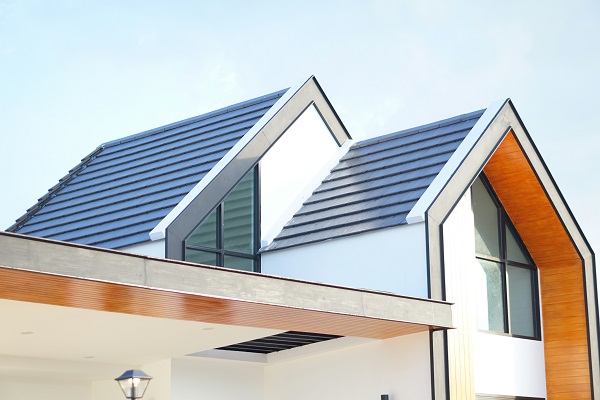
Introduction to Modern Home Design
Modern home design stands as a testament to the evolution of architectural and interior aesthetics, reflecting cultural, technological, and social changes. Originating in the early 20th century, modern design movement emerged from a reaction against traditional styles, emphasizing form and function over ornate decorations. Pioneers such as Le Corbusier, Frank Lloyd Wright, and Ludwig Mies van der Rohe played pivotal roles in shaping the principles of this design philosophy, introducing concepts such as open floor plans, large windows, and the use of industrial materials like steel and concrete. The essence of modern home design lies in its commitment to simplicity and minimalism. Spaces are designed to be functional and uncluttered, promoting a sense of spaciousness and tranquility. The principles of modernism advocate for the idea that a home should serve as a refuge, providing a harmonious backdrop for daily life. This philosophy not only prioritizes aesthetics but also considers environmental factors, leading to the emergence of sustainable practices in modern architecture.
Today, modern design principles are crucial in architecture and interior design, serving as guidelines for creating spaces that are both aesthetically pleasing and practical. These principles encourage natural light, open spaces, and a strong connection between the indoors and outdoors, addressing contemporary living needs. Moreover, modern design continues to adapt, incorporating cutting-edge technologies and innovative materials, establishing a dynamic interplay between tradition and modernity. The focus on clean lines, neutral colors, and functional furniture showcases how modern design can cater to both individual preferences and lifestyle demands.
Understanding modern home design not only offers insights into architectural trends but also inspires creativity in personal spaces. The principles harnessed by this design philosophy form the groundwork for exploring its various applications, ensuring relevance in an ever-evolving society.
Key Characteristics of Modern Home Design
Modern home design is characterized by several distinct features that collectively define its aesthetic and functional appeal. One of the most prominent characteristics is the open floor plan. This design concept creates a seamless flow between different living areas, eliminating unnecessary walls and barriers. The result is a spacious and airy environment that promotes social interaction and enhances natural light, making the home feel more expansive and connected.
Another defining feature of modern home design is its minimalist aesthetic. Modern homes often embrace the “less is more” philosophy, focusing on clean lines, uncluttered spaces, and a limited color palette. This approach not only simplifies the overall design but also allows the architectural elements and furnishings to shine. By reducing visual distractions, minimalist design contributes to a serene atmosphere, inviting residents to enjoy their surroundings without feeling overwhelmed.
Large windows are also a key aspect of modern architecture. These expansive openings invite abundant natural light into the home, forging a strong connection between the indoor and outdoor environments. This emphasis on transparency serves to enhance the living experience, allowing homeowners to appreciate nature’s beauty while enjoying the comforts of their interior spaces. In many modern homes, large windows are strategically placed to frame picturesque views or to bring light deep into the areas of the house.
The use of natural materials is another significant characteristic of modern home design. Materials such as wood, stone, and metal are often employed, promoting sustainability and harmony with the environment. These materials not only contribute to the aesthetic quality of the home but also provide durability and a timeless elegance. By incorporating organic textures and colors, modern designs achieve a balanced and inviting atmosphere.
The Role of Functionality and Utility
In modern home design, functionality and utility are paramount elements that ensure spaces cater to the practical needs of its inhabitants. The traditional view of a home as merely a shelter has evolved into a comprehensive understanding that incorporates the dynamism of day-to-day lifestyles. This transformation highlights the necessity of designing spaces that are not only aesthetically pleasing but also serve specific, utilitarian purposes. From optimizing living areas to incorporating multi-functional furniture, the essence of contemporary design focuses on maximizing utility.
Furthermore, the integration of smart home technology has amplified the functionality of spaces within modern homes. These technological advancements allow for improved energy efficiency, security, and convenience. Features such as automated lighting, climate control systems, and smart appliances enable homeowners to create environments that respond to their individual needs and routines. This integration not only enhances the living experience but also emphasizes the role of innovation in modern home design.
Another crucial aspect of functionality is the need for flexibility within the home layout. As families evolve and lifestyle demands change, the ability to adapt spaces for different uses becomes increasingly important. Flexible spaces can accommodate various activities, such as home offices, play areas, or guest rooms, thus ensuring that the home remains relevant over time. Designers often prioritize open floor plans to facilitate such adaptability, allowing for seamless transitions between areas based on current needs.
Overall, the convergence of functionality, utility, and smart technology in modern home design creates a holistic approach to living spaces. This focus not only enhances the usability of homes but also contributes to a sustainable lifestyle, as flexible and efficient designs are better equipped to handle the changing dynamics of family life.
Sustainable and Eco-Friendly Practices
In recent years, the integration of sustainability into modern home design has gained significant attention, reflecting a growing awareness of environmental issues among homeowners and builders. Sustainable design emphasizes energy-efficient materials and eco-friendly building practices that minimize a structure’s ecological footprint while enhancing the quality of life for occupants.
One of the primary components of sustainable home design is the use of energy-efficient materials. These materials, often characterized by their ability to reduce energy consumption, can include high-performance insulation, energy-efficient windows, and sustainable building materials like bamboo and reclaimed wood. The adoption of such materials not only reduces energy bills for homeowners but also contributes to a lesser demand for new resources.
Moreover, sustainable building practices focus on the efficient use of energy during the construction process. Techniques such as passive solar design, which optimizes a home’s layout to maximize natural light and heat, are popular in modern design. This approach reduces reliance on artificial lighting and heating. Additionally, green roofs are becoming a focal point in modern home design. These roofs are covered with vegetation, which helps insulate the building, manage stormwater, and improve urban air quality.
Embracing sustainable and eco-friendly practices in home design not only benefits the environment but also enhances the homeowner’s lifestyle by creating healthier living spaces. Proper ventilation, natural light, and the use of non-toxic materials contribute to better indoor air quality, resulting in improved well-being for all inhabitants. The transition to sustainable home design represents a commitment to environmental stewardship while acknowledging the need for aesthetics and comfort in modern living.
The Importance of Natural Light and Outdoor Spaces
The design of modern homes increasingly emphasizes the crucial role of natural light and the integration of outdoor spaces. Large windows, skylights, and open layouts contribute to maximizing daylight, creating vibrant living environments that enhance both aesthetic appeal and occupant well-being. The strategic placement of windows allows natural light to penetrate various areas of the home, reducing reliance on artificial lighting and fostering a healthier atmosphere.
Incorporating sliding doors and expansive glass panels further blurs the lines between indoor and outdoor spaces. This seamless transition encourages residents to engage with their surroundings, enhancing the overall living experience. Outdoor living areas, such as patios, decks, and gardens, contribute significantly to this philosophy. They provide essential extensions of indoor spaces, offering areas for relaxation, entertaining, and connecting with nature.
Another design consideration is the orientation of the home. Positioning the structure in a way that optimizes sunlight exposure can substantially influence energy efficiency and comfort levels throughout the year. For instance, south-facing windows can capture abundant natural light during winter, while strategically placed overhangs can shield from intense summer heat. Moreover, utilizing light-colored materials for walls and furnishings can amplify the effect of natural light, making spaces feel more expansive and welcoming.
By prioritizing natural light and incorporating well-designed outdoor spaces, modern home design not only enhances the aesthetic dimension but also nurtures the physical and mental well-being of inhabitants. As homeowners increasingly seek environments that promote tranquility and connectivity to nature, the importance of these elements will continue to grow within contemporary architecture.
Color Palettes and Materials in Modern Homes
The contemporary approach to home design places significant emphasis on the choice of color palettes and materials. A carefully curated color scheme not only enhances the visual appeal of a space but also influences the mood and atmosphere of a home. Popular color trends in modern design often feature muted tones, such as grays, soft whites, and earthy shades that create a calming environment. Adding brighter accent colors can inject personality and vibrancy into a room without overwhelming the senses.
When selecting color schemes, it is essential to consider the function of each space. For example, warm colors like reds and oranges may evoke energy in entertaining areas, while cooler shades such as blues and greens can promote a sense of relaxation in bedrooms and bathrooms. The balance between these colors contributes to the cohesiveness of the overall design, ensuring that each room complements the next.
Texture plays a pivotal role in enhancing color applications, offering depth and interest. Incorporating a variety of textures—such as smooth metals, soft fabrics, and rustic woods—can elevate the aesthetic and tactile experience within the home. Material selection, therefore, becomes crucial in modern home design. For instance, the use of natural materials like stone and wood infuses warmth and a connection to nature, which is highly sought after in contemporary designs.
Furthermore, sustainable materials are gaining traction, as homeowners increasingly seek eco-friendly options that align with modern ethical standards. These materials often promote durability and longevity, contributing positively to both the design and functionality of the home. Ultimately, a thoughtful approach to color palettes and material choices is vital to achieving a harmonious, inviting, and modern living space.
Furniture and Decor: A Modern Approach
The role of furniture and decor in modern home design is both crucial and multifaceted. In contemporary spaces, the selection of furniture should reflect not only aesthetic appeal but also functionality. Open space layouts, which are characteristic of modern design, often call for furniture that maximizes utility while minimizing clutter. For instance, modular furniture can seamlessly adapt to various configurations, catering to the dynamic needs of households.
Additionally, statement pieces can dramatically influence the ambiance of a room. These standout items, whether it be a unique coffee table, an oversized artwork, or a distinctive light fixture, serve as focal points that draw the eye and inject personality into a space. When selecting statement pieces, it is essential to consider their scale and the overall design ethos of the environment to ensure that they enhance rather than overwhelm the space.
Decor also plays a significant role in personalizing a minimalist environment, which is a hallmark of modern design. The careful selection of decor items allows homeowners to express individuality without compromising the clean lines and simplicity that characterize modern aesthetics. Accessories such as cushions, throws, and vases should be chosen to complement the existing color palette while adding texture and warmth. Moreover, layering different materials—such as wood, metal, and textiles—can create depth and interest, fostering a welcoming atmosphere.
Ultimately, the integration of thoughtfully selected furniture and decor transforms a house into a home, encapsulating both style and comfort. As modern home design continues to evolve, maintaining a balance between aesthetics and functionality remains paramount in creating a harmonious living space.
Challenges and Considerations in Modern Home Design
Modern home design has evolved significantly, often demanding a fine balance between aesthetics and functionality. One of the chief dilemmas faced by designers and homeowners alike is how to create spaces that not only look appealing but also serve practical purposes. This challenge often requires innovative solutions that can blend an artistic vision with the everyday needs of living spaces, ensuring that the home is both beautiful and usable.
Another prevalent consideration in contemporary home design is the integration of technology while maintaining a cohesive style. As smart home technologies become increasingly popular, designers must ensure that such installations do not compromise the aesthetic value of the home. Finding elegant ways to incorporate features like lighting controls, heating systems, and even security cameras can enhance the livability and comfort of a home without detracting from its visual appeal.
Climate adaptation is yet another fundamental challenge that modern home design must address. Different regions come with distinct climates that necessitate unique building strategies. For instance, homes in colder climates require efficient insulation and heating solutions, while those in warmer areas benefit from natural ventilation and shading techniques. Designers must take into account the local environment, leveraging materials and building methods that align with ecological standards while creating durable and attractive homes.
To navigate these challenges effectively, it is imperative to collaborate with professionals who possess expertise in building regulations and sustainable practices. Homeowners should prioritize thorough research and consultation to understand the latest trends and technologies. This approach not only results in a well-designed home but also increases the likelihood of achieving long-term satisfaction with the living space.
Conclusion and Future Trends in Modern Home Design
In summary, modern home design encompasses a diverse range of elements that prioritize functionality, aesthetic appeal, and environmental sustainability. Key points highlighted throughout this discussion include the integration of open spaces, the focus on natural materials, and the incorporation of technology to create comfortable living environments. As we move forward, the future of modern home design is poised to evolve further, responding to changing societal needs and technological advancements.
One emerging trend is the increasing reliance on smart technology. As more homeowners seek convenience and efficiency, integrating smart appliances and home automation systems becomes essential. This technology not only enhances security but also allows for significant energy savings, aligning with the broader trend of sustainability in housing. Furthermore, advancements in smart technology are likely to continue shaping the ways in which we interact with our homes, making them more responsive to our needs.
In addition to technological evolution, there is a growing emphasis on wellness-centered design. Homes that promote physical and mental health, such as those with ample natural light, ventilation, and outdoor spaces, are becoming increasingly desirable. Design elements that foster community interaction, such as shared gardens and communal spaces, also reflect a societal shift toward connecting with neighbors and building supportive communities.
As we look to the future, it is clear that modern home design will continue to adapt and innovate. With an increasing focus on sustainability, community, and well-being, designers and homeowners alike will find new ways to create spaces that not only meet functional requirements but also enrich lives. This forward-thinking approach holds great promise, ensuring that future homes are not only places of shelter but also nurturing environments conducive to healthy living.