

Introduction
Maintaining furniture is a crucial aspect of ensuring longevity and aesthetic appeal in any living or working space. As investments, pieces of furniture require attention and care to prolong their usability and appearance. The benefits of proper upkeep go beyond mere aesthetics; they can significantly enhance the lifespan of furniture, saving money and the environment in the long run. Regular maintenance routines not only keep furniture in optimal condition but also preserve the emotional relationships individuals build with their belongings.
Over time, furniture is susceptible to various issues such as wear and tear, fading, scratches, and structural damage. These common problems can arise from several factors including exposure to sunlight, humidity changes, and even everyday use. Understanding the challenges that furniture faces can inform strategies to mitigate these issues, leading to more sustainable practices in home and office management.
In essence, preventative measures can safeguard your investments in furniture. Simple practices like dusting regularly, using coasters, and avoiding direct sunlight can go a long way in preventing damage. Additionally, being mindful of the placement of furniture in relation to temperature and humidity can help reduce the risk of warping or cracking. The key to maintaining furniture lies in recognizing the interactions between environmental factors and the materials used in its construction.
This introduction sets the stage for effective furniture maintenance, and as we explore specific strategies and tips to extend the life of your furniture, it is essential to keep these foundational concepts in mind. By actively engaging with the care of your furniture, you can enhance its resilience and ensure it remains a functional and beautiful part of your living or workspace for many years to come.
Regular Cleaning Practices
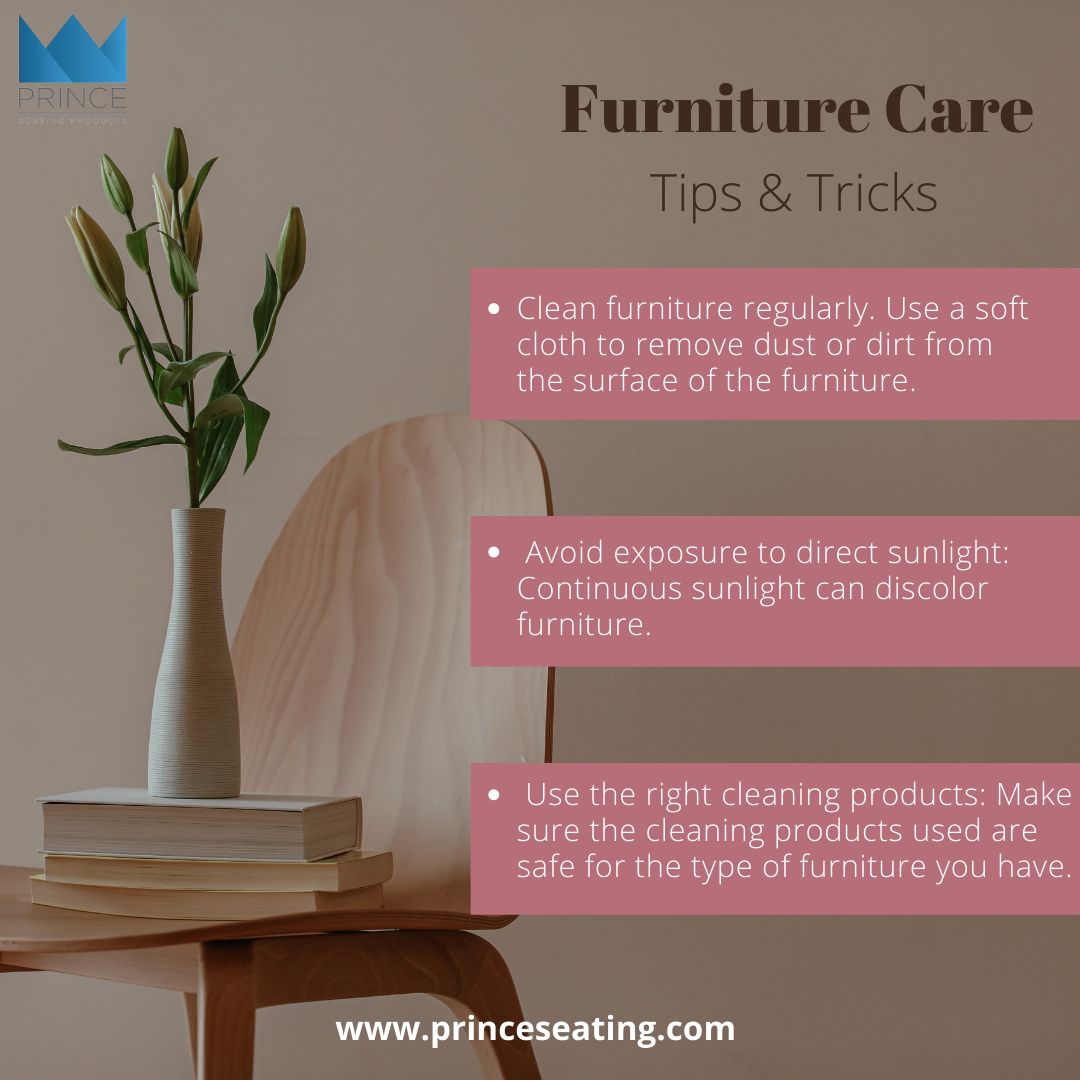
Maintaining the appearance and extending the life of your furniture relies significantly on regular cleaning practices. Accumulated dust, dirt, and grime can lead to deterioration of various materials such as wood, fabric, and leather. Therefore, understanding the appropriate cleaning methods for these materials is essential for effective maintenance.
For wooden furniture, it is advisable to use a soft, lint-free cloth to dust regularly. A slightly damp cloth can also be used for deeper cleaning, followed by a dry cloth to prevent moisture damage. Additionally, applying a suitable wood polish every few months can protect the surface and enhance its natural luster.
Fabric furniture, such as sofas and upholstered chairs, benefits from regular vacuuming to remove dust and allergens. Be sure to use a brush attachment to avoid damaging the fabric fibers. For stain removal, consider using a mild cleaning solution specifically designed for the type of fabric, ensuring to test it on a hidden area first to check for colorfastness. Spot cleaning your fabric furniture promptly can help in maintaining its appearance and prolonging its life significantly.
Leather furniture requires particular attention to avoid cracking and fading. A soft, dry cloth can be used for routine dusting, while a specialized leather cleaner should be used periodically. Following up with a leather conditioner helps maintain its suppleness and sheen. Protect leather items from direct sunlight to prevent significant fading and consider placing them away from heat sources.
In summary, establishing a regular cleaning routine tailored to different furniture materials not only preserves their appearance but also increases their lifespan. By utilizing the right techniques and products, furniture can remain in prime condition for many years to come.
Avoid Direct Sunlight
Direct sunlight poses a significant threat to the longevity of various types of furniture. For wood furniture, exposure to harsh sunlight can lead to fading of the finishes and discoloration of the natural grain. Over time, constant UV exposure can even cause the wood to dry out, leading to cracks and splinters. Upholstered items such as sofas and chairs are not exempt from these effects; fabrics can become brittle, resulting in a worn appearance and loss of vibrancy.
To mitigate these harmful effects, careful consideration should be given to furniture placement. Items made from wood, leather, or delicate fabrics should be positioned away from windows where sunlight is directly streamed in. By rearranging your furniture, you can effectively shield it from harmful rays that may contribute to premature aging.
In addition to strategic placement, utilizing curtains, blinds, or shades can greatly enhance protection against UV rays. These window treatments not only provide privacy but also act as a first line of defense by diffusing or blocking sunlight. Consider investing in UV-protective films for your windows, which help reduce the amount of ultraviolet light that penetrates indoors while still allowing natural light to infiltrate your living spaces.
Furthermore, if rearranging furniture or installing window treatments is not feasible, applying furniture polish that contains UV protection can be a proactive measure. Such products create a barrier that helps guard finishes against sunlight damage, preserving the integrity of your furniture.
In summary, taking steps to avoid direct sunlight can have a substantial impact on the lifespan of your furniture. By adjusting placements and utilizing protective measures such as curtains and films, you can maintain the beauty and functionality of your furnishings for years to come.
Rotate and Rearrange
One often-overlooked aspect of furniture maintenance is the practice of regularly rotating and rearranging pieces within a living space. This simple yet effective method can significantly prolong the life of your furniture while also enhancing the overall aesthetic of your home.
For upholstered furniture such as sofas and chairs, rotating cushions and changing their positions helps to distribute weight evenly. Over time, continuous use in the same spots can lead to premature wear and tear. By shifting these cushions periodically, you can mitigate the chances of uneven sagging and maintain a more uniform appearance. Additionally, this practice allows you to refresh the look of your space without the need for major updates.
Beyond cushions, it’s beneficial to regularly switch the positioning of various furniture pieces, such as dining chairs or occasional tables. Movement can prevent specific areas from receiving too much stress, which is particularly crucial for pieces that experience frequent use. For example, rotating dining chairs in a set can help to preserve the upholstery and structural integrity of the chairs. This is especially true if your dining chairs are placed in the same spots consistently during meals.
It’s not just about functionality; rearranging your furniture provides an opportunity to experiment with new layouts that might result in a more visually pleasing setup. Exploring different arrangements can lead to more effective use of space, enhanced foot traffic flow, and a renewed sense of atmosphere in your room. Therefore, incorporating a habit of rotating and rearranging not only safeguards your furniture but also elevates your living environment.
Use Coasters and Protectors
One effective way to extend the life of your furniture is to utilize coasters and protectors. These small but mighty accessories can play a significant role in safeguarding surfaces from heat, moisture, and scratches. For example, placing a coaster under a warm mug of coffee is essential to prevent heat marks from forming on wooden tables. Heat can cause unsightly blemishes and, over time, damage the finish of the wood. Opting for coasters made from materials such as cork, silicone, or wood can offer an appealing aesthetic while providing a vital protective barrier.
In addition to coasters, the use of placemats can further help protect dining tables from potential damage during meals. This simple addition can mitigate the risk of water rings and scratches caused by cutlery. When selecting placemats, consider those made from durable materials that can withstand spills and are easy to clean. They not only enhance the décor of your dining area but also keep your furniture looking pristine.
Moreover, for larger pieces of furniture, such as sofas and chairs, utilizing fabric protectors or specialized sprays can significantly enhance their longevity. These products create a protective layer that repels liquid spills, stains, and even dirt. It is advisable to choose protectors that are specifically formulated for the fabric type of your furniture to ensure compatibility and effectiveness.
Additionally, consider using felt pads or furniture sliders under the legs of your furniture. These protective measures can minimize scratches caused by movement and help distribute weight evenly, preventing indentations on surfaces. By incorporating these elements into your routine, you ensure that your furniture maintains its integrity for years to come.
Be Mindful of Temperature and Humidity
Temperature and humidity levels play a significant role in maintaining the integrity and longevity of furniture materials, particularly wood. Wood is a natural product that reacts to environmental changes; it can expand in high humidity and contract in excessively dry conditions. Such fluctuations may lead to warping, cracking, or even structural damage over time. Maintaining consistent indoor conditions is crucial in prolonging the lifespan of your wooden furniture and preserving its aesthetic appeal.
To maintain ideal indoor conditions, it is advisable to keep the temperature between 60°F to 75°F (15°C to 24°C). This range not only ensures comfort for residents but also helps in stabilizing the wood. When possible, avoid placing furniture near heat sources, such as radiators or direct sunlight, as these can lead to uneven drying and subsequent damage. Additionally, furniture should be kept away from air conditioning vents, as cold air can cause rapid drying, leading to cracks and splits in wooden surfaces.
Humidity levels are equally essential; a relative humidity level of 30% to 50% is recommended for optimal care. Excess moisture in the air can be detrimental, as it may encourage mold growth or cause the wood to swell. On the other hand, low humidity can lead to dryness. Utilizing a humidifier could help maintain favorable humidity levels, especially during dry winter months. Conversely, using a dehumidifier can assist in reducing excess moisture during particularly humid summers.
By taking proactive steps to regulate temperature and humidity, you can enhance the durability and appearance of your furniture. Regularly monitoring your indoor environment will ultimately safeguard your investment and ensure that your furniture remains in excellent condition for years to come.
Repair Minor Damage Promptly
Addressing minor damages to your furniture, such as scratches, chips, and stains, is crucial for prolonging its lifespan. These imperfections, if left untreated, can lead to more significant deterioration, impacting not only the aesthetic appeal of your furniture but also its structural integrity. Therefore, vigilant maintenance is key.
For instance, a scratch on a wooden surface can be quickly remedied with a simple DIY solution. One effective method involves using a walnut. Rubbing the meat of the walnut over the scratch can help restore the wood’s natural oils, camouflaging the damage. Alternatively, for deeper scratches, a wood filler that matches the furniture’s finish can be applied after cleaning the area. This quick intervention not only enhances the look of the furniture but also shields the exposed wood from moisture and dirt.
Stains on upholstered furniture require immediate attention as well. A simple solution can often be created using warm water and mild soap. Gently blotting the stain with a soft cloth can lead to effective removal, assuming one acts swiftly. Using harsh chemicals may damage the fabric, so it is wise to test any cleaning solution on a discreet area before applying it to the main stain.
While many minor repairs can be handled independently, some damages warrant the expertise of a professional. If you notice swollen areas or persistent residual stains after attempted DIY fixes, consulting a furniture restoration expert may be beneficial. They possess the necessary tools and experience for thorough restoration, ensuring your valuable pieces remain in excellent condition. Regular checks and swift repairs reinforce the resilience of your furniture, ultimately extending its useful life.
Upholstery Care and Maintenance
Properly maintaining upholstered furniture is crucial for extending its lifespan and ensuring its appearance remains fresh and inviting. Routine care begins with regular vacuuming, which is essential to remove dust, dirt, and allergens that can accumulate on the fabric. It is advisable to use a vacuum cleaner equipped with an upholstery attachment to gently remove debris without damaging the material. This routine maintenance not only keeps the furniture clean but also helps prevent the buildup of grime that can lead to wear and tear.
In addition to routine vacuuming, spot cleaning is an important aspect of upholstery care. Immediate action is paramount when spills occur, as this can prevent stains from setting in. For most types of upholstered fabrics, a solution of mild soap and water is effective. Firstly, blot the spill gently with a clean, dry cloth to absorb as much liquid as possible. Then, using a soft cloth dampened with the cleaning solution, gently dab the stained area without rubbing, which can spread the stain further or damage the fabric. After cleaning, it’s advisable to use a dry cloth to absorb excess moisture and allow the area to air dry completely.
Moreover, enlisting the help of professional cleaning services periodically is recommended for upholstery maintenance. Professional cleaners possess specialized tools and products that can deep clean without compromising the fabric integrity. Whether it is an annual service or bi-annual cleaning, this process removes accumulated dirt and rejuvenates the material’s texture and color, effectively prolonging the life of your furniture.
Lastly, utilizing fabric protectors can serve as an additional layer of defense against spills, stains, and everyday wear. Fabric protectors create a barrier that repels liquids and minimizes staining, making future cleanups easier. Investing in these protective measures contributes significantly to the preservation and longevity of your upholstered furniture.
Conclusion
In conclusion, the longevity of your furniture is heavily influenced by the maintenance practices you adopt. Simple yet effective strategies can significantly enhance the lifespan of your pieces. Regularly dusting and cleaning using appropriate products helps prevent deterioration, while protecting your furniture from direct sunlight and excessive moisture can preserve its finish and structural integrity.
Moreover, employing coasters, placemats, and felt pads can minimize wear and tear, protecting surfaces from scratches and heat damage. Rotation of cushions and repositioning of heavy items can also distribute wear evenly, thus prolonging their use. Each of these practices reveals how proactive maintenance not only extends the life of your furniture but also contributes to maintaining a functional and aesthetically pleasing living space.
By implementing these tips, you can ensure that your furniture remains a central part of your home for many years to come, blending both utility and style effectively. A mindful approach to caring for your furniture investment translates to a more enjoyable environment and can save you money in the long run, making it a worthwhile endeavor.