

Understanding the Importance of Home Office Design
Creating an effective home office design is paramount to enhance productivity and ensure a fulfilling work experience. The layout and design of a workspace play critical roles in shaping the work habits and overall performance of individuals. A well-thought-out home office can significantly influence focus, creativity, and job satisfaction. Firstly, the physical workspace greatly affects one’s mental state. An organized and aesthetically pleasing environment fosters a sense of calm and helps to reduce distractions. Elements such as color, lighting, and furniture arrangement can either promote a positive attitude toward work or contribute to feelings of disarray and stress. By thoughtfully selecting colors that promote focus, such as blues and greens, and ensuring ample lighting, a home office can become a sanctuary for productivity.
Moreover, the functionality of the workspace cannot be overlooked. Design aspects such as ergonomic furniture, sufficient storage solutions, and designated areas for specific tasks can lead to improved physical comfort and, in turn, better performance. When employees feel comfortable, they are more likely to remain engaged in their work and produce higher-quality outcomes. Additionally, incorporating elements that inspire creativity, such as art or personal mementos, can motivate individuals to think outside the box.
Furthermore, the layout of a home office should encourage ease of movement and accessibility to necessary tools and resources. A well-structured environment reduces time wasted searching for items and allows individuals to immerse themselves in their tasks more efficiently. Therefore, it is essential to invest time in planning the office layout to maximize space and functionality.
In conclusion, the design of a home office is not merely about aesthetics; it is a fundamental aspect that can either boost or hinder productivity. By creating an environment that emphasizes comfort, functionality, and inspiration, individuals are poised to experience significant improvements in their work performance and overall job satisfaction.
Choosing the Right Location for Your Home Office
When designing a home office, selecting the right location is crucial in creating an environment conducive to productivity. One of the primary factors to consider is the availability of natural light. A workspace enriched with sunlight not only enhances mood but also helps to maintain energy levels throughout the day. Therefore, positioning your home office in a room with ample windows or access to daylight can significantly influence your work performance.
Another critical aspect is minimizing distractions. This includes considering the proximity to high-traffic areas of the home such as living rooms, kitchens, or children’s play zones. Ideally, you should set up your office in a quieter section of your house, away from the commotion. If you cannot find a room that meets this criteria, think about utilizing room dividers or soundproofing techniques to create a more isolated workspace.
Accessibility is also an important consideration when choosing your home office location. Ensure that the space is easy to access from the primary areas of your home, while also considering your daily routines. For instance, if you intend to step away frequently for breaks or meetings, a location that is central yet separated from distractions would be ideal.
Finally, take into account the practicality of your chosen space. Ensure that there is enough room for essential equipment such as a desk, chair, and additional furniture as needed. A well-structured layout will help in organizing materials effectively and keeping the workspace clutter-free. By thoughtfully assessing these factors, you can identify the optimal space for your home office, directly contributing to improved productivity.
Ergonomic Furniture Choices for Comfort and Productivity
In the modern workspace, especially within a home office environment, the importance of ergonomic furniture cannot be overstated. These specially designed furnishings are essential for fostering a comfortable workspace, which directly influences productivity levels. When selecting furniture for a home office, it is crucial to consider ergonomics to promote proper posture and prevent physical health issues that can arise from prolonged periods of sitting and working.
One of the primary components of ergonomic furniture is an adjustable chair. A good ergonomic chair should provide adequate lumbar support, allowing the natural curve of the spine to maintain posture during long hours of work. Features like adjustable height, armrests, and seat depth are key to ensuring that the chair fits the individual properly, accommodating various body types and sizes. This adaptability can significantly reduce the risk of discomfort or musculoskeletal disorders.
Equally important is the desk design. An ideal ergonomic desk should allow the user to maintain a neutral wrist position while typing and using a mouse. Height-adjustable desks, which can transition between sitting and standing positions, are particularly beneficial. They not only promote better posture but also encourage movement throughout the day, helping to maintain energy levels and reduce fatigue.
Additionally, incorporating accessories such as keyboard trays, footrests, and monitor stands can further enhance the ergonomic setup. A monitor placed at eye level decreases the strain on the neck and prevents slouching. Footrests can promote proper leg positioning and circulation. Ultimately, investing in ergonomic furniture not only promotes comfort but also supports sustained productivity during extended work hours.
Incorporating Color Psychology in Home Office Design
The colors used in a home office can significantly influence mood and productivity. Color psychology suggests that different hues evoke various emotional responses while shaping the energy of a workspace. For instance, blue is widely regarded as a calming color that promotes focus and tranquility, making it an excellent choice for environments requiring concentration. On the other hand, shades of green can inspire creativity and balance, providing a refreshing ambiance that stimulates innovative thinking.
When selecting color palettes for a home office, it is essential to consider the purpose of the space. Bright colors like yellow and orange have been associated with increased energy and motivation, ideal for creative tasks and brainstorming sessions. However, using these vibrant hues in excess may lead to overstimulation; hence, they can be effectively incorporated through accents such as office accessories, artwork, or even a feature wall.
Neutral colors, including whites, grays, or taupes, serve as versatile backgrounds that enhance focus without distraction. These tones can be combined with splashes of color from plants, decorative items, and furniture to create an inspiring yet balanced environment. Utilizing lighting can also affect how colors appear; natural light can enhance vibrancy, while warmer artificial light can soften hues and create a more relaxed atmosphere.
To seamlessly integrate color into a home office design, consider starting with wall paint as a foundational choice, then layering in accessories that incorporate your preferred color scheme. The use of colorful decor items or desk accessories can instantly uplift the space and reflect your personality. By thoughtfully selecting color elements, you can create an environment that not only looks appealing but also supports optimal productivity.
Essential Technology and Gadgets to Enhance Productivity
In today’s fast-paced work environment, having the right technology and gadgets can profoundly impact productivity in a home office setting. Various tools not only facilitate tasks but also create a conducive workspace, allowing individuals to focus and operate efficiently. One pivotal component of a home office setup is a high-quality monitor. A larger screen can significantly enhance visibility and reduce eye strain, especially for tasks that require multitasking. Dual-monitor setups, for instance, allow users to keep multiple applications open simultaneously, streamlining workflows.
Another essential gadget is an ergonomic keyboard. Unlike standard keyboards, ergonomic models help maintain proper wrist positioning, reducing the risk of strain or injury. Coupled with a responsive mouse, these tools can enhance the overall typing experience, directly influencing work speed and comfort. In addition, investing in noise-cancelling headphones can minimize distractions from the surrounding environment, allowing for better concentration during crucial tasks, particularly in shared living spaces.
Organization tools, such as digital task managers and cloud-based collaboration platforms, are equally significant. These applications assist in keeping track of projects, deadlines, and team communications, offering seamless integration across devices. Furthermore, incorporating productivity apps that foster time management, such as Pomodoro timers, can encourage focused work intervals followed by short breaks, which is a proven strategy for maintaining high levels of productivity.
Lastly, ensuring a reliable internet connection via a high-speed router is crucial to prevent interruptions during work hours. A strong, uninterrupted signal allows for efficient communication and data transfer, further enhancing daily productivity. By leveraging these essential technologies and gadgets, one can create a home office environment that promotes efficiency and effectiveness in all work endeavors.
Storage Solutions for a Clutter-Free Workspace
Creating an organized and functional home office is essential for enhancing productivity. One of the most effective ways to achieve this is by implementing various storage solutions tailored to individual needs. A well-organized workspace not only fosters better focus but also promotes a sense of clarity and peace of mind.
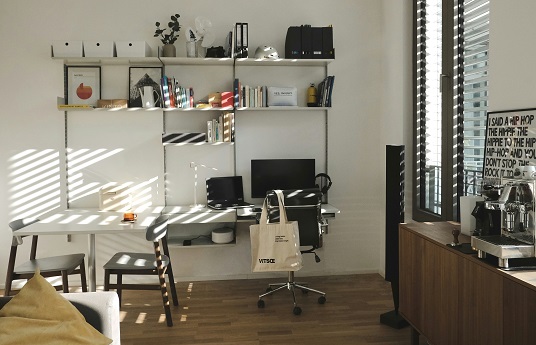
One of the most practical storage solutions is the use of shelving. Wall-mounted shelves can save valuable floor space while providing a place for books, files, and decorative items. Consider using floating shelves to keep frequently used materials accessible without overwhelming the desk area. These shelves can be customized in height and length to suit personal preferences, ensuring they fit seamlessly into the existing décor of the home office.
Filing systems are another critical component of a clutter-free workspace. Whether opting for traditional file cabinets or modern filing boxes, it is crucial to categorize documents effectively. Use labels to designate sections for different types of paperwork, such as client contracts, invoices, and project notes. This not only simplifies document retrieval but also encourages one to maintain essential paperwork in an organized manner over time.
In addition to physical storage, digital organization plays a vital role in maintaining a tidy office. Utilize cloud storage solutions to reduce paper usage and keep important files accessible from multiple devices. Employing digital tools such as project management applications can further help streamline tasks while minimizing clutter associated with their physical counterparts. Tools like these enable tracking and organizing tasks efficiently, allowing for enhanced productivity.
In conclusion, the key to maximizing productivity in a home office lies in the implementation of practical storage solutions. By strategically using shelving, filing systems, and digital tools, one can create a clutter-free workspace that fosters improved focus and overall work efficiency.
Creating a Personalized and Inspiring Decor
Designing a home office with a personalized and inspiring decor can significantly enhance productivity and creativity. An effective workspace reflects one’s personal style and promotes a positive atmosphere. Start by integrating personal items that resonate with you; these could be family photos, travel mementos, or gifts that evoke pleasant memories. Items with sentimental value can serve as motivating factors that uplift your mood during work hours.
Incorporating motivational quotes also plays a vital role in creating an inspiring decor. Choose quotes that align with your goals and aspirations, and display them prominently in your workspace. This can be done through wall art, desk organizers, or even digital displays. The constant reminder of your objectives, coupled with encouraging words, can keep you focused and driven throughout the day.
Artwork can further enhance the aesthetics of your home office. Select pieces that inspire you or match the overall tone of the room. Whether it be abstract art, landscapes, or themed prints, the right artwork can add a sense of calm and creativity to your working environment. Additionally, consider integrating nature through plants or natural elements, as they can improve air quality and establish a more inviting atmosphere.
Lastly, remember to utilize color strategically. Different shades have varying psychological effects and can influence your productivity levels. Opt for warm colors to elicit energy, or cool hues to foster calmness and concentration. Ultimately, the goal is to create a space that resonates personally while encouraging productivity. By personalizing your home office with these decor ideas, you can transform it into a sanctuary of inspiration, conducive to creativity and efficient work.
Natural Elements to Include for Wellbeing and Focus
Incorporating natural elements within a home office can significantly enhance wellbeing and focus, creating a more productive environment. One of the most effective ways to introduce nature into your workspace is through plants. Numerous studies have illustrated that having plants indoors can reduce stress levels, decrease anxiety, and improve overall mood. Greenery not only provides aesthetic value but can also act as a natural air purifier, helping to improve air quality. Better air quality contributes to enhanced cognitive function, thus promoting better concentration at work.
When selecting plants for your home office, consider low-maintenance varieties such as succulents, snake plants, or peace lilies, which thrive in various lighting conditions and require minimal care. These plants are not only visually appealing but also adaptable, ensuring they fit seamlessly into your office design. Placing them on desks, shelves, or even hanging planters can infuse your workspace with vibrant life, making it a more inviting and stimulating atmosphere for work.
Beyond greenery, the use of natural materials in furniture can also contribute positively to your workspace. Wood, bamboo, and stone surfaces provide a sense of warmth and comfort that manufactured materials often lack. Desks and chairs made from these natural materials create a tactile connection to the environment, which can foster a sense of calm and tranquility while working. Additionally, natural light is another crucial element; positioning your desk near a window allows for sunlight exposure, which can further boost mood and improve alertness throughout the day.
By thoughtfully integrating these natural elements, you can cultivate a home office that promotes both wellbeing and productivity, thus supporting a more effective work routine.
Establishing Boundaries and Work-Life Balance
In an era where remote work is increasingly common, establishing boundaries and maintaining a work-life balance has become paramount for fostering productivity. The absence of physical separation between home and work can blur these lines, making it challenging to focus exclusively on professional responsibilities or to disengage from them during personal time. Therefore, implementing clear boundaries is essential.
One effective strategy is to designate a specific workspace within the home. This space should be used solely for work-related tasks, which not only creates a physical boundary but also conditions the mind to associate that area with productivity. Ideally, this workspace should be equipped with all necessary tools and resources, ensuring that interruptions are minimized, and focus can be maintained. Beyond physical space, having specific work hours is crucial. Communicating these hours to household members reinforces a professional environment and allows for uninterrupted work time.
Moreover, incorporating rituals can aid in demarcating the end of the workday. For instance, shutting down the computer and switching off work notifications can signal the transition from work to personal life. Engaging in activities like exercise or a leisure hobby after work can foster relaxation and help recharge energy levels for the next day. Additionally, implementing a few minutes of mindfulness or meditation can provide a mental reset, reinforcing the separation of work and home life.
Ultimately, establishing boundaries is not merely about physical space or time management; it involves fostering a mindset that respects both work and personal life. By treating professional and personal obligations with equal importance, individuals can enhance their productivity while enjoying a fulfilling home life. Achieving this balance leads to a more sustainable work-from-home experience, ultimately promoting long-term well-being and effectiveness.