

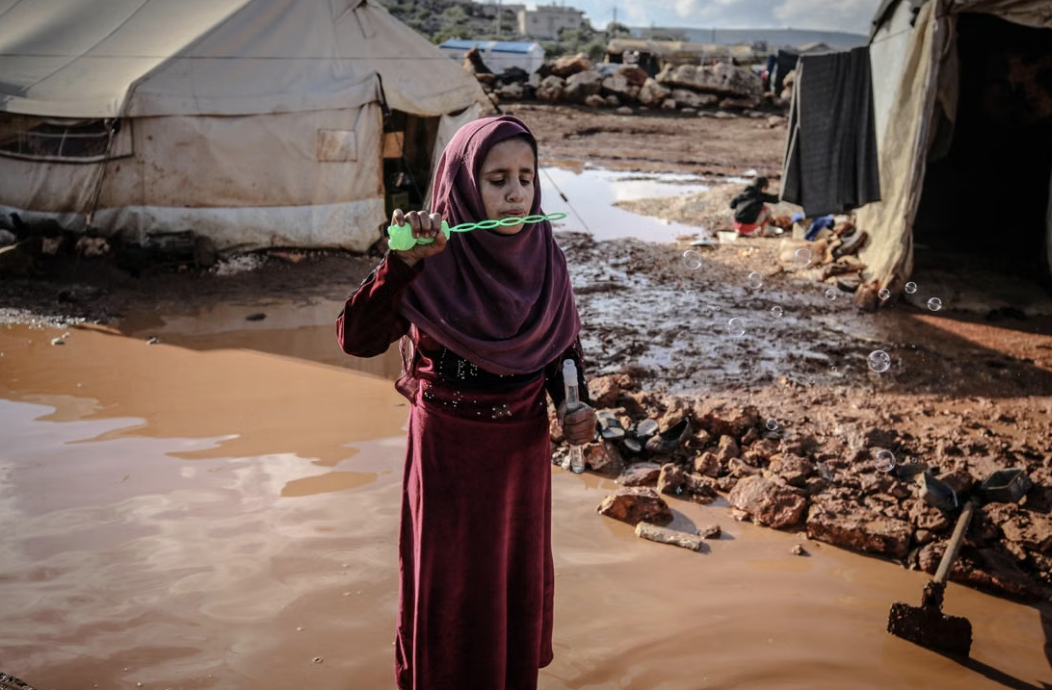
When people are forced to flee their homes, the emotional impact does not end once they reach safety. Children may struggle to concentrate in school, parents often carry the stress of rebuilding daily life, and communities lose the routines that help people feel secure. Everyone is affected differently, so recovery cannot rely on a single type of support.
Psychosocial support in humanitarian settings helps people reconnect with daily life, relationships, and their communities, while clinical therapy provides specialised treatment for those experiencing more serious mental health conditions. This balanced approach is reflected in humanitarian programmes, including those supported by War Child USA, where support is tailored to individual needs instead of following a one-size-fits-all model.
The World Health Organization (WHO) estimates that one in seven people living in conflict-affected settings experiences a mental health condition, showing why humanitarian responses need both community-based support and specialist care.
Why Do Crisis Settings Require Different Types of Mental Health Support?
There is no single way people respond to a crisis. One child may gradually regain confidence after returning to school and spending time with friends. Another may continue to experience fear, nightmares, or overwhelming anxiety long after the immediate danger has passed. Adults can have similar experiences, with some adapting over time while others need professional mental health care.
Humanitarian organisations recognise these differences. Instead of offering the same service to everyone, they follow the Inter-Agency Standing Committee (IASC) layered care framework. Most people benefit from safe environments, trusted relationships, and practical support that helps them regain a sense of normality. A smaller number needs focused psychological support or clinical therapy from trained professionals.
This is an important distinction because psychosocial support in humanitarian settings is often misunderstood. It is not a simplified version of therapy. Instead, it creates the conditions that help people cope with everyday challenges while making it easier to identify those who need specialist care.
#1 It Helps People Rebuild Everyday Life
For many families, recovery begins with small but meaningful moments. A child feels comfortable joining a game again. A parent starts connecting with neighbours. A family develops a daily routine after weeks or months of uncertainty. These everyday experiences help people regain confidence and a sense of control.
That is the purpose of psychosocial programs for children and adults. Rather than treating mental health disorders, they strengthen the support systems that help people recover together.
Common activities include:
- Safe spaces for children to learn and play.
- Social and emotional learning.
- Community and peer support.
- Parenting and caregiver sessions.
- Practical coping strategies for managing stress.
These programmes also have a preventive role. Helping people manage stress early can reduce the risk of emotional distress becoming more severe. The goal extends beyond emotional well-being to functional recovery, enabling people to return to school, work, family life, and community activities.
#2 It Provides Specialist Care for People Who Need More Support
Psychosocial support helps many people recover, but it cannot address every mental health challenge. Some children and adults continue to experience symptoms that make everyday life difficult, even after they have access to stable routines and supportive relationships.
This is where clinical therapy becomes essential.
Qualified psychologists, psychiatrists, counsellors, and other licensed professionals assess and treat conditions such as severe depression, post-traumatic stress disorder, prolonged grief, and anxiety disorders. Depending on individual needs, treatment may include counselling, trauma-focused therapy, ongoing recovery plans, or referrals for medical care.
The difference is not that one approach is better than the other. They serve different purposes. Psychosocial support strengthens the environment around a person, while clinical therapy focuses on treating complex mental health conditions. Together, they provide a stronger foundation for long-term recovery.
#3 Recovery Looks Different for Everyone
A common misconception is that everyone affected by conflict needs therapy. In reality, most people benefit first from feeling safe, rebuilding routines, and reconnecting with the people around them. Those steps often help reduce stress and restore a sense of normality.
At the same time, some people continue to experience severe trauma, anxiety, or depression that cannot be addressed through community support alone. They need professional treatment from qualified mental health specialists.
This is why trauma-informed care in emergencies combines different levels of support. Psychosocial programmes strengthen families and communities, while clinical therapy focuses on individuals with more complex mental health needs. Instead of working separately, each approach fills a different gap in the recovery process.
#4 They Create a Stronger Pathway to Recovery
Recovery is rarely a straight line. It often begins with small signs of progress before specialist care is needed.
Imagine a child who has spent months moving between temporary shelters. Joining a learning activity, making a new friend, or trusting an adult again can be the first signs that confidence is returning. If that child continues to struggle with overwhelming fear or trauma, trained staff can refer them to qualified mental health professionals for clinical therapy.
Adults follow a similar path. Community support groups may help rebuild social connections after displacement, while therapy addresses deeper psychological challenges that affect daily life.
This coordinated approach is especially valuable for child mental health in conflict zones because emotional wellbeing, education, and protection are closely linked. Community-based support creates stability, and specialist care provides treatment when it is needed. Together, they help people recover with greater confidence and independence.
Closing Thoughts
Healing after conflict involves much more than treating mental health conditions. People also need opportunities to rebuild trust, reconnect with their communities, and regain the confidence to return to everyday life.
That is why psychosocial support in humanitarian settings and clinical therapy are both essential. One strengthens the social and emotional foundations that help people move forward, while the other provides specialised care for those facing more complex mental health challenges.
As humanitarian crises continue around the world, combining these approaches gives children, families, and communities a better chance to recover and thrive. Evidence based initiatives supported by <a href=”https://warchildusa.org/”>War Child USA</a> reflect this holistic approach by recognising that lasting recovery is built through both community support and appropriate clinical care.