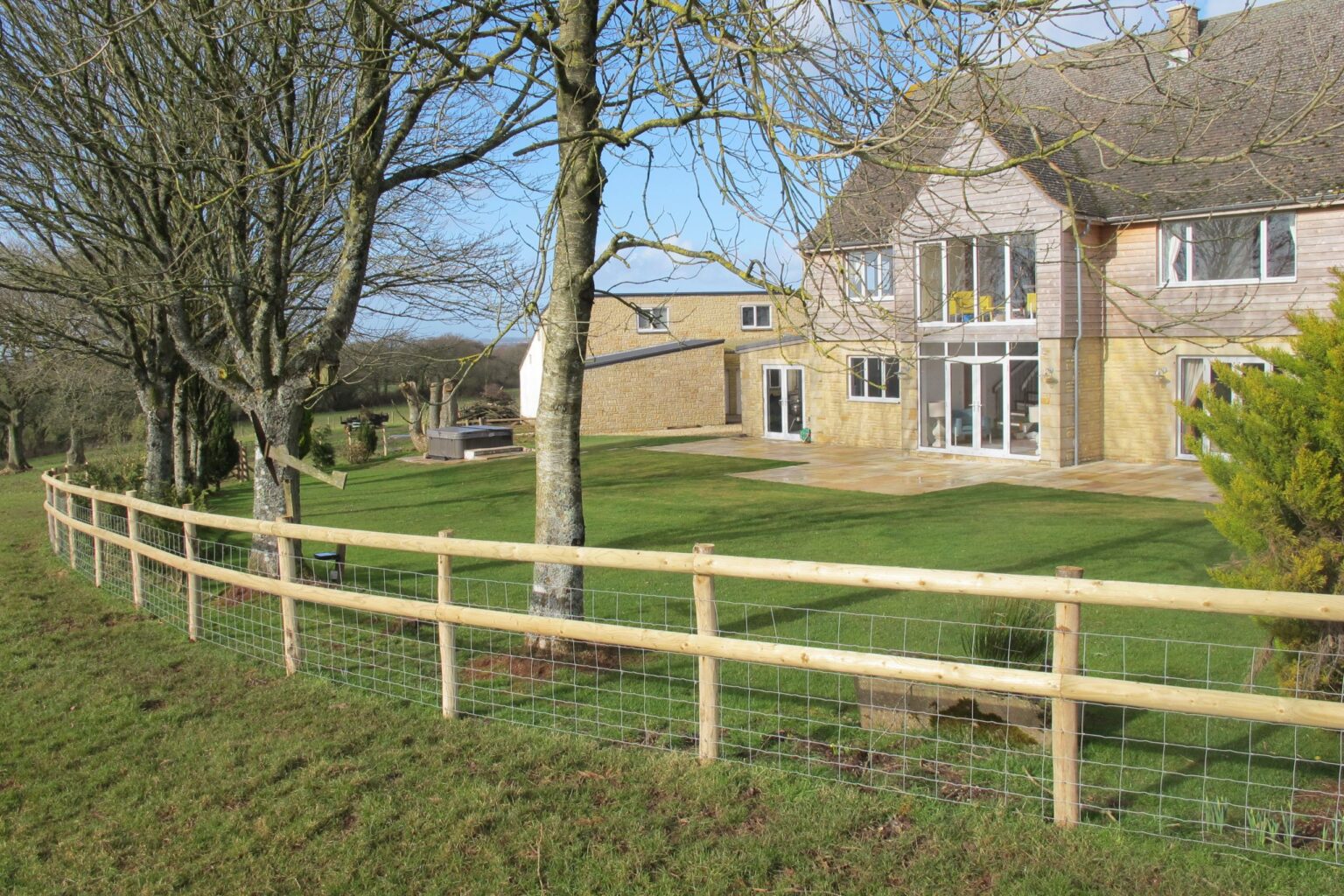
Key Takeaways
- Give every fence line a specific daily purpose before buying materials.
- Design around livestock behavior, terrain, water, gates, and work routines.
- Plan for muddy areas, drainage, equipment access, and future repairs.
- Use permanent, temporary, and digital fencing only where each option fits the farm.
- Budget for preparation and maintenance, not just posts, wire, and gates.
Farm fencing in Dallas and across Gaston County has to do more than mark a property edge. A well-planned system can guide livestock, protect pasture, improve access for tractors and trailers, and reduce the time spent opening gates or repairing preventable damage. Working with a knowledgeable fence manufacturer can help landowners turn a rough property map into a practical plan for fields, paddocks, barns, and rehabilitation areas.
That planning matters in the rolling Piedmont landscape of North Carolina, where slopes, wooded edges, drainage paths, and changing soil conditions can affect installation and upkeep. The lowest initial price is not always the lowest long-term cost if a fence line creates a mud hole, blocks equipment, or needs repeated repairs.
Why Fence Planning Matters
The best layout starts with everyday work, not property lines alone. Think through feeding, moving animals, loading trailers, mowing, checking water, and reaching a barn during bad weather. A misplaced gate may seem minor on a sketch, but it can force people and livestock through the same wet spot every day. Repeated traffic can create mud, slow chores, and make animal handling more difficult.
Define the Job of Each Fence
Every line should answer one question: “What problem should this fence solve every day?” Perimeter fencing may provide containment and define a boundary. Interior divisions can support pasture rotation. Other fences may protect ponds, streams, gardens, restored ground, fuel storage, machinery areas, or a temporary quarantine pen. A holding and sorting area needs a different level of strength and visibility than a quiet back-field boundary.
Match the Design to the Animals
Animal behavior should guide fence height, spacing, visibility, and strength. Horses benefit from highly visible barriers, smooth surfaces, and safe spacing that reduces entanglement risks. Cattle require reliable corners, braces, and controlled movement routes. Goats and sheep can test openings, climb, squeeze, or crawl under weak sections. Poultry and smaller animals may require attention to predator entry, digging, and mesh opening size. One design rarely suits every species or every area of a working farm.
Read the Land Before Drawing Lines
Walk the property before ordering material. Mark slopes, wet ground, rocks, gullies, streams, trees, brush, old wire, and likely equipment routes. Also, identify buried utilities before post-installation. Fencing, watering facilities, and managed pasture divisions can work together in a grazing system, as the USDA notes in its description of pasture management practices that support livestock movement.
On land with a creek, pond, or drainage swale, avoid treating the water feature like an ordinary fence line. Consider controlled crossings, protected access points, and a layout that keeps livestock from repeatedly damaging vulnerable banks or saturated ground.
Plan Gates, Water, and Work Routes
Gates should be placed where people, livestock, and equipment naturally need to travel. Leave adequate clearance for tractors, hay equipment, delivery vehicles, and emergency access. Avoid low locations that collect water whenever possible. Water points also deserve early planning because they influence animal movement, grazing patterns, and traffic pressure. A pasture may look efficient until a feed truck must pass through several narrow gates just after the barn.
Choose Materials for Real Conditions
Choose materials based on the job, rather than appearance alone. Compare options by visibility, tension, animal safety, resistance to weather and impact, ease of repair, expected service life, and availability of replacement parts. A material that works for a low-pressure boundary may not be appropriate for a busy handling pen, riding area, or roadside enclosure. Corners, ends, and major direction changes also require bracing suited to the fence type and expected load.
Build Safety Into the Layout
Good fencing protects both animals and people. Keep sharp edges, loose wire, exposed hardware, and snag points out of animal areas. Improve visibility near gates, roads, riding spaces, and corners. Clear fallen limbs, vines, and heavy brush that can pull on the wire or hide damage. For horse properties, practical fencing considerations also emphasize gate placement and selecting a system that balances containment, safety, appearance, and budget.
Use Temporary and Digital Fencing Wisely
Temporary fencing can be useful for rotating livestock, resting pasture, protecting recovering vegetation, or testing a new paddock arrangement. It works best when a dependable perimeter remains in place, and the farm has a clear inspection routine. Digital or virtual systems may offer another management tool, but they require animal training, reliable operation, staff knowledge, and a backup plan. They do not remove the need for sound layout decisions.
Create a Simple Maintenance Plan
Maintenance should be scheduled, not treated only as an emergency. Walk the perimeter after severe weather. Check corners, braces, gates, and high-pressure areas for leaning posts, broken wire, loose fasteners, or gaps. Clear vegetation from fence lines, test electric components regularly, and record repeat trouble spots on a simple property map. Include gate locations, water lines, utilities, and repair notes on that map.
Estimate the Full Project Cost
A realistic budget includes surveying, layout, brush clearing, debris removal, grading, posts, wire or mesh, gates, hardware, labor, equipment, drainage work, water improvements, and future repairs. If the full plan is too large for one season, phase it. Address safety, containment, and essential work routes first, then add interior divisions and upgrades as the operation grows.
Common Farm Fencing Questions
How often should a farm fence be inspected?
High-risk areas should be checked often, while the full system should be inspected after storms, flooding, heavy snow, fallen trees, or unusual animal pressure.
Should every pasture use the same fence?
No. Perimeters, horse areas, cattle zones, temporary paddocks, and handling spaces can require different designs.
What should be planned first, fences or water?
Plan them together. Water access affects animal movement, gate locations, mud management, and pasture use.
Final Planning Checklist
- Each fence has a defined purpose.
- The design fits the livestock in the area.
- Terrain, drainage, water, and utilities have been reviewed.
- Gates support practical movement for animals, people, and equipment.
- Materials match the site and level of livestock pressure.
- Maintenance access and future repairs are part of the plan.
- Temporary or digital systems have a dependable backup plan.
A well-planned farm fence supports safer livestock, smoother daily work, healthier pasture use, and fewer unwelcome surprises. By designing around real routines and Dallas-area land conditions, farm owners can create a fencing system that remains useful as the property changes.