


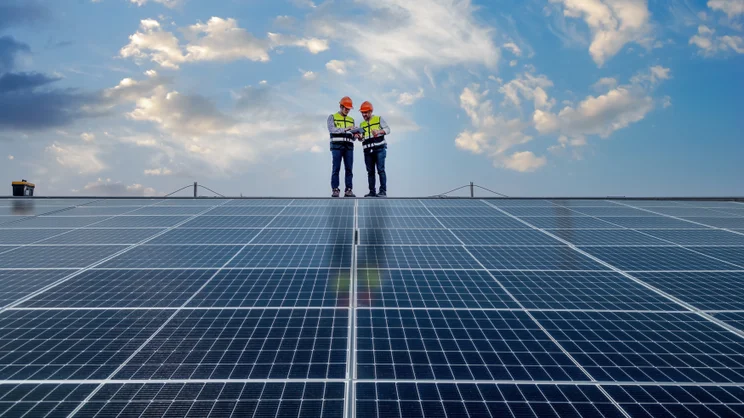
For many businesses, rising electricity costs are becoming a major operational challenge. From office buildings and retail stores to warehouses and manufacturing facilities, energy expenses can consume a significant portion of monthly operating budgets. As utility rates continue to fluctuate, more business owners are looking for long-term solutions that offer greater control over their energy spending.
This is where commercial solar panels can make a meaningful difference. By generating electricity directly from sunlight, businesses can reduce their dependence on utility providers and lower their overall energy costs. For companies considering solar installation Columbus, commercial solar can also provide an opportunity to improve energy efficiency, strengthen sustainability efforts, and create more predictable long-term operating expenses.
Why Energy Costs Are a Growing Concern for Businesses
Electricity is essential for nearly every commercial operation. Businesses rely on energy to power lighting, HVAC systems, computers, machinery, refrigeration equipment, and other daily operations. Even a small increase in electricity rates can have a noticeable impact on annual expenses.
Unlike many other business costs, energy prices are often difficult to control. Utility rates may increase over time, and businesses with high energy consumption can experience significant fluctuations in their monthly bills.
Commercial solar panels offer an alternative approach. Instead of purchasing all electricity from the utility grid, a business can generate a portion of its own power. This reduces the amount of electricity that must be purchased from the utility company and can help create more predictable energy expenses.
Commercial Solar Panels Help Reduce Monthly Electricity Bills
The most direct financial benefit of commercial solar panels is the potential reduction in monthly electricity costs.
A commercial solar energy system produces electricity during daylight hours, helping offset the power a business would normally purchase from the grid. The amount of savings depends on several factors, including:
- The size of the solar system
- The business’s electricity consumption
- Available roof or property space
- Local sunlight conditions
- Utility rates
- Energy usage patterns
For example, a warehouse or office building that consumes significant electricity during daytime business hours may be well positioned to benefit from solar energy production.
Businesses exploring solar installation Columbus can work with experienced professionals to evaluate their current energy usage and determine how much electricity a commercial solar system may help offset.
Over time, reducing dependence on purchased electricity can result in substantial operational savings.
Greater Protection Against Rising Utility Rates
One of the biggest advantages of investing in commercial solar panels is the ability to reduce exposure to future electricity rate increases.
Utility prices can change over time due to infrastructure costs, fuel prices, demand, and other economic factors. Businesses that depend entirely on grid electricity may have limited control over these changes.
Solar energy allows businesses to generate some of their electricity independently. Although a business may still need grid electricity when solar production does not meet total demand, generating power on-site can reduce the amount of electricity purchased from the utility.
For companies planning a long-term solar installation Columbus strategy, this can provide greater stability and help make future energy expenses easier to manage.
Lower Operating Costs Can Improve Business Profitability
Every dollar saved on operating expenses can contribute to a company’s bottom line. Energy savings created by commercial solar panels can help businesses redirect funds toward other important areas, such as:
- Business expansion
- Equipment upgrades
- Employee development
- Marketing initiatives
- Technology improvements
- Facility improvements
Unlike one-time cost-cutting measures, solar energy can continue generating value for many years when the system is properly designed and maintained.
For businesses with high electricity consumption, even a moderate reduction in utility costs can create meaningful savings over time. This makes solar installation Columbus an option worth considering for companies focused on improving long-term financial efficiency.
Commercial Solar Panels Can Provide Long-Term Energy Savings
Commercial solar should generally be viewed as a long-term investment rather than simply a short-term expense reduction strategy.
A properly designed solar system can continue producing electricity for decades. While energy production may gradually change over the lifetime of the system, solar technology is designed to provide long-term performance.
This means businesses can continue offsetting electricity purchases year after year.
The long-term nature of commercial solar panels can be particularly attractive for businesses that own their facilities or expect to operate from the same location for an extended period. Instead of facing decades of full dependence on utility electricity, a business can invest in an energy-producing asset.
For organizations considering solar installation Columbus, understanding the expected long-term production and financial benefits is an important part of the decision-making process.
Solar Can Help Businesses Use Their Available Space More Effectively
Many commercial properties have large, unused roof areas that receive significant sunlight throughout the day. Installing commercial solar panels can turn this unused space into a source of electricity generation.
Depending on the property, solar systems may also be installed on ground-mounted structures, parking areas, or other suitable spaces.
Using existing property space to generate electricity can provide additional value without requiring major changes to daily business operations.
A professional solar installation Columbus assessment can help determine which areas of a commercial property may be suitable for solar and how the available space could support the business’s energy goals.
Potential Incentives Can Improve the Financial Benefits
Financial incentives may also help improve the economics of commercial solar projects. Depending on current programs, businesses may have access to tax incentives, rebates, or other opportunities that can reduce the overall cost of installing a solar energy system.
Available incentives can change based on federal, state, and local policies, so businesses should review current eligibility requirements before making financial decisions.
When evaluating commercial solar panels, it is important to consider the complete financial picture rather than focusing only on installation costs. Long-term electricity savings, available incentives, financing options, and projected system production can all influence the overall value of a project.
Businesses pursuing solar installation Columbus should consult qualified solar professionals and appropriate financial or tax advisors when evaluating available incentives.
Commercial Solar Panels Support Sustainability Goals
Lower energy costs are a major reason businesses invest in solar, but financial savings are not the only benefit.
Solar energy can also help companies reduce their reliance on electricity generated from conventional energy sources. This can support corporate sustainability initiatives and demonstrate a commitment to more responsible energy practices.
Many customers, employees, and business partners increasingly value companies that take measurable steps toward sustainability.
Installing commercial solar panels can support environmental goals while also creating practical financial benefits. This combination can make commercial solar a valuable part of a company’s broader business strategy.
Solar Can Improve Long-Term Energy Planning
Businesses often create long-term plans for staffing, facilities, technology, and growth. Energy planning should also be part of that strategy.
A commercial solar system can help businesses better understand and manage a portion of their future energy costs. By generating electricity on-site, companies can reduce some of the uncertainty associated with relying entirely on changing utility rates.
Before moving forward with solar installation Columbus, businesses should review:
- Current electricity bills
- Historical energy consumption
- Future business growth plans
- Available installation space
- Building ownership status
- Expected energy usage patterns
This information helps determine whether commercial solar panels are suitable for the business and what type of system may provide the greatest value.
Choosing the Right Commercial Solar Solution
Not every commercial property has the same energy needs. A small retail business, manufacturing facility, office building, and warehouse will all have different electricity consumption patterns.
That is why professional planning is essential.
A quality solar installation Columbus provider should evaluate the property’s energy usage and physical characteristics before recommending a system. The goal should be to design commercial solar panels that align with the business’s energy requirements rather than simply installing the largest possible system.
A well-planned solar project can help maximize energy production, improve financial returns, and support the company’s long-term operational goals.
Conclusion
Rising electricity costs can create ongoing financial pressure for businesses, but commercial solar panels provide a practical way to reduce dependence on utility electricity and gain greater control over energy expenses. By generating clean electricity on-site, businesses can lower monthly utility costs, improve long-term energy planning, and potentially protect themselves from future rate increases.
For companies evaluating solar installation Columbus, commercial solar can be more than an environmental investment. It can become an important part of a long-term cost management and business growth strategy. With the right system design and a clear understanding of energy usage, commercial solar panels can help businesses turn available sunlight into meaningful long-term savings.
To learn more about professional solar solutions and local services, visit our Google Business Profile here: https://share.google/Yfp20sZVL3Ywhppz4
Frequently Asked Questions
1. How much can commercial solar panels reduce business energy costs?
The savings from commercial solar panels depend on factors such as system size, electricity usage, utility rates, sunlight availability, and the amount of electricity the system produces. A professional solar assessment can provide a more accurate estimate.
2. Are commercial solar panels suitable for small businesses?
Yes. Businesses of different sizes may benefit from solar depending on their energy consumption, property characteristics, and financial goals. A smaller business may require a smaller system, while larger facilities may need a more extensive solar installation.
3. How long do commercial solar panels last?
Commercial solar systems are designed for long-term operation and can produce electricity for decades. Regular inspections and appropriate maintenance can help support system performance over time.
4. Can solar panels eliminate a business’s electricity bill completely?
In some cases, a solar system may offset a significant portion of electricity usage. However, the exact outcome depends on energy consumption, system size, utility policies, and solar production. Many businesses continue to use some grid electricity.
5. What should businesses consider before solar installation in Columbus?
Before choosing solar installation Columbus, businesses should review their electricity usage, available roof or land space, building condition, future energy needs, financing options, and available incentives.
6. Are commercial solar panels a good long-term investment?
For many businesses, commercial solar panels can provide long-term value through reduced electricity purchases and improved energy cost management. The financial benefits depend on the specific property, energy consumption, installation costs, and available incentives.