Every contractor knows the feeling. A new job lands, you need another tipper or a second van on the road by Monday, and the quotes that come back are higher than you hoped. New vehicles lose value quickly. Hire keeps the meter running. A dealer’s price includes a dealer’s margin.
That is why more small firms are looking at commercial vehicle auctions, where trucks, vans and pickups from fleets, contractors and closing businesses are sold online to the highest bidder. It is not the right route for everyone, but for a firm that knows what it needs it can take a real bite out of the cost.
Where the Vehicles Come From
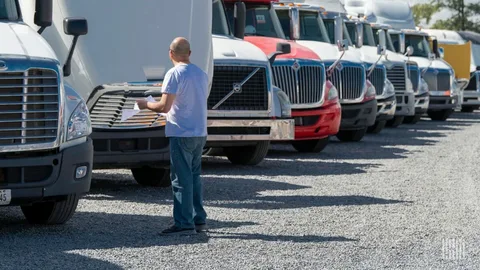
Trade auctions take stock from several places. Fleet operators sell vehicles on a regular replacement cycle. Leasing and hire companies sell at the end of a term. Contractors sell trucks and tippers they no longer need. And when a business closes, an insolvency practitioner may sell its vehicles to repay creditors, usually through a liquidation auction UK, where vehicles are listed with published closing times.
Knowing which one you are looking at helps you judge the history. A fleet van with a documented service record is a different proposition from a vehicle pulled out of a closed yard.
What You Can Buy
Lots can include HGVs and tractor units, rigid trucks, tippers, dropsides, box vans, pickups, panel vans and specialist vehicles. For a contractor, the interesting ones are usually tippers, dropsides, pickups and crew vans, because they start earning from the first day. A crew van carrying a team to site pays for itself quicker than a showroom-fresh one that depreciates in the car park.
Why Auction Can Beat a Dealer
There is no showroom, no sales team and no forecourt to pay for, and that can show in the price. You are also bidding against other businesses, not the public, so you are buying in a market that understands what a working vehicle is worth.
The trade-off is that you do more of the checking yourself, and you usually buy as seen. There is no test drive and rarely a warranty, so the saving has to be big enough to cover the risk.
What to Check Before You Bid
You may not be able to inspect first, so start with the documents:
- the registration, checked against the free GOV.UK MOT history
- mileage readings compared with the odometer and service record
- repeated advisories, which show what you will be paying for next
- the date of the next annual test, plating and tachograph details on heavier vehicles
- the condition of any tail-lift, tipping gear or crane
Vehicles over 3.5 tonnes gross weight can also mean you need a goods vehicle operator’s licence, so check before you commit. And if you work in cities, check the vehicle’s emissions standard against the zones you drive in, because daily charges can wipe out a cheap price.
Work Out the Real Cost
Add the hammer price, the buyer’s premium, VAT where it applies, transport or a driver to collect it, and a service and repairs. Then compare the total with a dealer’s price for the same vehicle. If the saving is small, buy from the dealer. If it is large, it is worth the extra checking.
A good habit is to write your maximum on paper before the lot opens, with every cost already included. Then the only decision left on the day is whether the price is under it.
Bidding and Collecting
Many online sales use a soft close, so a late bid extends the lot’s clock. There is no point waiting for the last second. Decide your maximum first and stay out once it is passed.
If you win, expect to pay quickly, usually within a day or two, and to collect by appointment after payment clears. Have your driver or haulier ready, and check the keys and paperwork when you pick it up. Book it in for a service before it goes to work.
A Realistic Example
Say a groundworks firm needs a second tipper for a six-month contract. A dealer wants a price that only makes sense if the work continues for years. The firm watches a few trade auctions, shortlists three tippers, checks each one’s MOT history and annual test dates, and sets a maximum for each that includes the buyer’s premium, VAT and a day’s haulage. It loses the first two to higher bids and wins the third at a figure it is comfortable with. The tipper needs new tyres and a service, which were already in the budget. Nothing about that was lucky. It was patience and arithmetic.
Frequently Asked Questions
Can I buy a pickup or tipper at a trade auction without being a dealer? Many sales are trade-only, which means registering as a business. You do not have to be a dealer, but you do need to buy as a business.
Do vehicles bought at auction have a warranty? Generally not. They are sold as seen, so the saving has to be big enough to cover the risk of repairs.
What documents should I check first? The registration through the GOV.UK MOT history, mileage against the service record, repeated advisories, and test dates and plating on heavier vehicles.
Do I need an operator’s licence for a truck? Vehicles over 3.5 tonnes gross weight can mean you need a goods vehicle operator’s licence, so check before you bid.
The Bottom Line
For a short contract, hire. For a vehicle that needs a warranty, buy from a dealer. But for a pickup, tipper or van you will keep for years, auction can save real money, provided you do the checking before the bidding.
Author bio
[Author name] writes about trade equipment, vehicles and business asset sales in the UK. They cover what to check before buying second-hand plant and commercial vehicles, how online trade auctions work, and how to avoid the costs that catch buyers out after the hammer falls. Their guides are written for contractors, small fleet owners and growing businesses.