

Introduction to Hardwood Floor Care
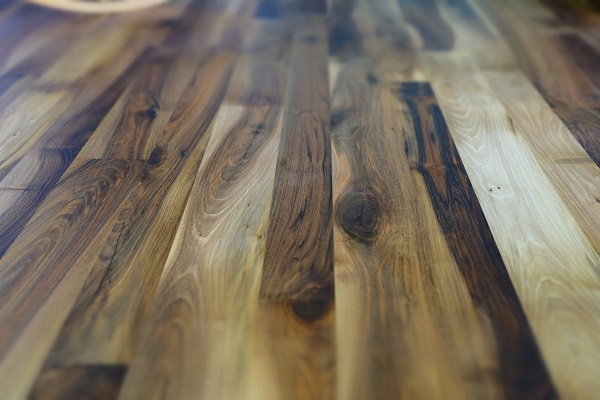
Hardwood floors are a highly sought-after feature in many homes, revered for their natural beauty and enduring durability. Their elegant appearance not only enhances the aesthetic appeal of a space but also contributes significantly to the overall value of a property. However, to maintain these advantages, it is crucial to adopt regular hardwood floor care practices. One of the most common issues faced by hardwood flooring is scratching, which can occur from everyday wear and tear, pet claws, or furniture movement. Even minor scratches can become noticeable over time, detracting from the floor’s beauty. Additionally, hardwood floors can become dull due to foot traffic and the accumulation of dirt and grime. This dullness can obscure the original luster of the wood, making it essential to implement consistent cleaning and maintenance routines.
Water damage is another significant concern for hardwood floors, as excessive moisture can lead to warping, buckling, or mold growth. Spills that are not promptly cleaned can penetrate the wood, resulting in irreversible damage. Therefore, being proactive about water exposure and implementing preventive measures is vital for preserving the integrity of hardwood surfaces.
Understanding the importance of hardwood floor maintenance is the first step towards ensuring that these surfaces remain looking their best over time. By addressing common issues such as scratches, dullness, and potential water damage, homeowners can enjoy the full benefits of their hardwood investments. The following sections of this blog will provide practical tips to aid in the effective care of hardwood floors, ensuring they continue to shine and sustain their durability for years to come.
Regular Cleaning Practices
Maintaining the beauty and longevity of hardwood floors involves regular cleaning practices that are effective yet gentle. To begin, it is advisable to sweep or vacuum the floor at least once a week. Using a soft-bristle broom or a vacuum cleaner fitted with a hardwood floor attachment will help in removing dirt, dust, and debris without causing any scratches. Frequent cleaning is essential since dust can accumulate quickly and may lead to dullness over time.
In addition to weekly cleaning, it is recommended to conduct a thorough cleaning of your hardwood floors every month. This can be achieved by using a microfiber mop, which is effective in trapping dust and removing sticky residues without the need for harsh chemicals. When using a mop, it is crucial to dampen it slightly rather than soaking it in water, as excess moisture can harm the wooden surface by causing warping or distortion.
Furthermore, it is important to steer clear of cleaning products that contain harsh chemicals like ammonia or bleach, as these can damage the finish of hardwood floors. Instead, opt for pH-balanced cleaners specifically designed for hardwood or a simple solution of vinegar and water. Always test any cleaning solution on a small, inconspicuous area before applying it to the entire floor. This ensures compatibility with your flooring’s finish and safeguards against damage.
By incorporating these cleaning practices into your maintenance routine, the integrity and aesthetic appeal of hardwood floors can be preserved, extending their lifespan and enhancing the overall atmosphere of your living space.
Choosing the Right Cleaning Products
When maintaining hardwood floors, the selection of cleaning products is crucial to ensure the integrity and appearance of the surface is preserved. It is essential to choose products that are not only effective but also safe for your flooring finish. One of the first steps in this process is to carefully read product labels. Look for cleaners specifically formulated for hardwood floors and avoid those that contain harsh chemicals or abrasive agents, as these can damage the finish over time.
There are a variety of cleaning options available on the market, including pH-balanced cleaners, natural solutions, and wood-specific wipes. pH-balanced cleaners are particularly effective as they maintain the wood’s protective coatings while effectively removing dirt and grime. Additionally, many eco-friendly cleaners contain plant-based ingredients that provide a gentler solution without sacrificing cleanliness.
If you prefer a DIY approach, a simple mixture of vinegar and water can also serve as an effective cleaning solution. However, it is important to use this sparingly, as excessive moisture can lead to warping. Another alternative is using a microfiber mop, which can be dampened with an appropriate cleaner; this method minimizes water usage and prevents potential damage caused by moisture penetration.
In selecting the right products, it is also beneficial to consider the reputation of the brand and customer reviews. Brands that specialize in hardwood floor care often provide specific recommendations that can guide homeowners in making informed choices. Ultimately, the goal is to keep hardwood floors looking pristine and extend their lifespan by using the best cleaning products tailored for their unique needs.
Dealing with Scratches and Scuffs
Hardwood floors are renowned for their beauty and durability, yet they are not completely impervious to damage. Small scratches and scuffs can occur from everyday activities, making it vital to have effective strategies for addressing these minor imperfections. Below are several methods that can aid in maintaining the pristine appearance of your hardwood floors.
One of the most straightforward solutions involves using a wood filler to address deeper scratches. This substance can effectively fill in the gaps, restoring the smooth surface of the floor. When selecting a wood filler, it is crucial to choose a product that closely matches the color of your floor. Once applied, the filler should be sanded gently for a seamless finish, ensuring the area blends well with the surrounding wood.
Applying a matching wood stain is another effective approach to camouflage scratches. This technique can be particularly useful for floors that have a more extensive finish. A small amount of stain can be applied directly to the scratched area with a cotton swab, allowing it to absorb into the wood. After some time, wiping away any excess will help to achieve a cohesive look that minimizes the appearance of the damage.
For minor surface abrasions, utilizing beeswax can also provide a simple yet effective remedy. Rubbing beeswax on affected areas not only helps to conceal scratches but also adds a protective layer against future wear and tear. This natural product has the added advantage of nourishing the wood, enhancing both its aesthetic appeal and longevity.
In conclusion, while scratches and scuffs on hardwood floors are common, prompt and effective treatment can ensure that your flooring maintains its beauty for years to come. With methods such as wood filler, matching wood stain, and beeswax, homeowners can successfully manage minor imperfections and preserve the integrity of their hardwood floors.
Preventing Water Damage
Maintaining hardwood floors requires vigilant attention to water exposure, as moisture is a leading cause of damage to wood surfaces. To preserve the integrity of your flooring, swift cleanup of spills is crucial. Whether it’s a minor leakage from a potted plant or a larger spill from beverages, promptly addressing the issue by mopping up the liquid with a soft cloth can prevent the wood from absorbing too much moisture, which may lead to warping or staining.
Additionally, placing rugs or mats in high-traffic areas serves as a protective measure against incidental water exposure. Entranceways, dining areas, and near sinks are prime locations for these protective furnishings. They can effectively trap water and dirt before they reach the surface of your hardwood floors. Choose rugs made of absorbent material that can withstand regular cleaning to ensure their longevity and effectiveness.
Furthermore, the atmospheric conditions within your home play a significant role in the health of your hardwood floors. During dry seasons, the use of humidifiers can infuse moisture back into the air. Balanced humidity levels not only enhance comfort but also prevent the wood from drying out and potentially cracking. Aim to keep your indoor humidity levels between 30-50% to safeguard against drastic shifts that can trigger expansion and contraction in hardwood flooring.
In summary, preventing water damage to hardwood floors is achievable through several practical strategies. By cleaning spills immediately, utilizing rugs in areas prone to moisture, and maintaining optimal indoor humidity levels, homeowners can significantly extend the life and appearance of their beautiful wood flooring. Taking these proactive steps will help ensure that your hardwood floors remain in excellent condition for years to come.
Protecting Hardwood Floors from Furniture
Hardwood floors are a beautiful and durable choice for any home, but they require careful maintenance to avoid damage, especially from furniture. One of the most common problems homeowners face is abrasions caused by furniture legs. Protecting hardwood floors from such damage is essential for preserving their aesthetic and structural integrity.
One effective method to safeguard your floors is by using felt pads under the legs of all furniture pieces. These pads act as a barrier between the hardwood surface and the heavy furniture, effectively preventing scratches and scuff marks. They come in various sizes and shapes, allowing you to find the perfect fit for any piece of furniture, whether it’s a dining chair, sofa, or coffee table. It is advisable to regularly inspect the felt pads to ensure they remain intact and replace them as needed.
Additionally, the way furniture is moved can play a significant role in maintaining hardwood floors. When rearranging your living space, always lift furniture instead of dragging it across the floor. This simple practice can significantly reduce the risk of scratching and denting the wood. If lifting is not possible due to the weight of the item, consider using furniture sliders, which can help distribute the weight and minimize damage to the surface underneath.
Another preventive measure is to periodically reposition your furniture. This practice not only helps in maintaining balance and aesthetics but also helps to avoid dull spots that can develop under constant pressure from heavy items. By changing the placement of furniture, you can allow the wood to recover and minimize wear in specific areas.
By implementing these protective strategies, homeowners can maintain the beauty and longevity of their hardwood floors, ensuring they remain a centerpiece of elegance in any home.
Maintaining Humidity Levels
Maintaining appropriate humidity levels in the home is crucial for the longevity and appearance of hardwood floors. Hardwood is sensitive to fluctuations in moisture, which can lead to a variety of issues, including warping, cracking, and gaps between planks. Ideally, the humidity levels in a home should be maintained between 30% and 50%. Deviations from this range can have adverse effects on hardwood flooring.
High humidity levels can cause hardwood floors to swell, leading to buckling or warping. This occurs because wood absorbs excess moisture from the air, which causes it to expand. Conversely, low humidity levels can result in the wood shrinking and cracking, creating unsightly gaps between floorboards. Understanding this balance is essential for preserving the quality of your hardwood flooring.
To monitor humidity levels in your home effectively, it is advisable to invest in a hygrometer. This device will help you assess the moisture content in the air accurately. If you find that humidity levels frequently exceed 50%, consider using a dehumidifier. Dehumidifiers work by extracting excess moisture from the air and can be particularly useful in humid climates or during the summer months.
On the other hand, if humidity levels drop below 30%, a humidifier may be necessary. Humidifiers add moisture back into the air, helping to protect hardwood floors from drying out. This is especially important during winter when indoor heating can significantly lower humidity levels. By maintaining the right balance of humidity, homeowners can effectively protect their hardwood flooring investment.
Periodical Professional Maintenance
Maintaining the beauty and durability of hardwood floors is essential to preserving their value and appeal. While routine cleaning and care are important, periodic professional maintenance plays an equally crucial role in ensuring that hardwood flooring remains in optimal condition. Engaging the services of professionals not only enhances the aesthetic appeal but also extends the lifespan of the flooring.
One of the primary benefits of periodic professional maintenance is the expert knowledge and specialized equipment that professionals bring to the task. When it comes time for deep cleaning or refinishing, experts are trained to use appropriate cleaning methods and products that effectively address specific issues without causing damage. This includes removing deep-set dirt and grime that regular cleaning may leave behind, thereby improving the overall hygiene of the environment.
Another significant aspect is refinishing, which should ideally be done every 3 to 5 years, depending on foot traffic and wear. Professionals can assess the condition of the floor and determine if refinishing or resurfacing is necessary. This process revitalizes the wood, restores its luster, and offers protection against future wear and tear. By proactively reaching out for professional maintenance at the recommended intervals, homeowners can address issues like scratches, dullness, and stains before they become more severe.
Additionally, professional inspections can identify potential problems early, allowing for timely interventions that prevent costly repairs down the line. By scheduling regular maintenance, homeowners can benefit from the expertise of professionals who can provide tailored recommendations based on their specific flooring type and usage patterns. Ultimately, incorporating periodic professional maintenance into the care routine not only saves time and effort but also safeguards the investment in hardwood floors.
Conclusion and Recap of Maintenance Tips
Maintaining hardwood floors is an essential aspect of preserving their beauty and longevity. Throughout this blog post, we have highlighted several effective and straightforward strategies that can be easily integrated into your regular cleaning routine. First and foremost, regular sweeping or vacuuming is vital in preventing dirt and debris from scratching the floor’s surface. By keeping the floors clean, you can significantly enhance their appearance and extend their lifespan.
Another crucial tip discussed is the importance of using rugs and mats in high-traffic areas. These items not only protect hardwood floors from scratches and dents caused by footwear but also help in minimizing the accumulation of dirt. Furthermore, choosing the right cleaning products is essential; it is advisable to select solutions specifically designed for hardwood floors to ensure that the finish remains intact while providing a thorough clean.
Additionally, we emphasized the significance of maintaining proper humidity levels in your home. Fluctuating moisture levels can lead to warping or cracking, ultimately damaging the integrity of the hardwood. Therefore, utilizing humidifiers or dehumidifiers as necessary can aid in keeping these levels stable.
Lastly, refinishing hardwood floors when necessary can restore their original shine and protect against wear and tear. By incorporating these maintenance tips into your routine, you can keep your hardwood floors looking stunning for years to come. The ease and effectiveness of these strategies make hardwood floor maintenance manageable for any homeowner, ensuring that your investment remains valuable and visually appealing.