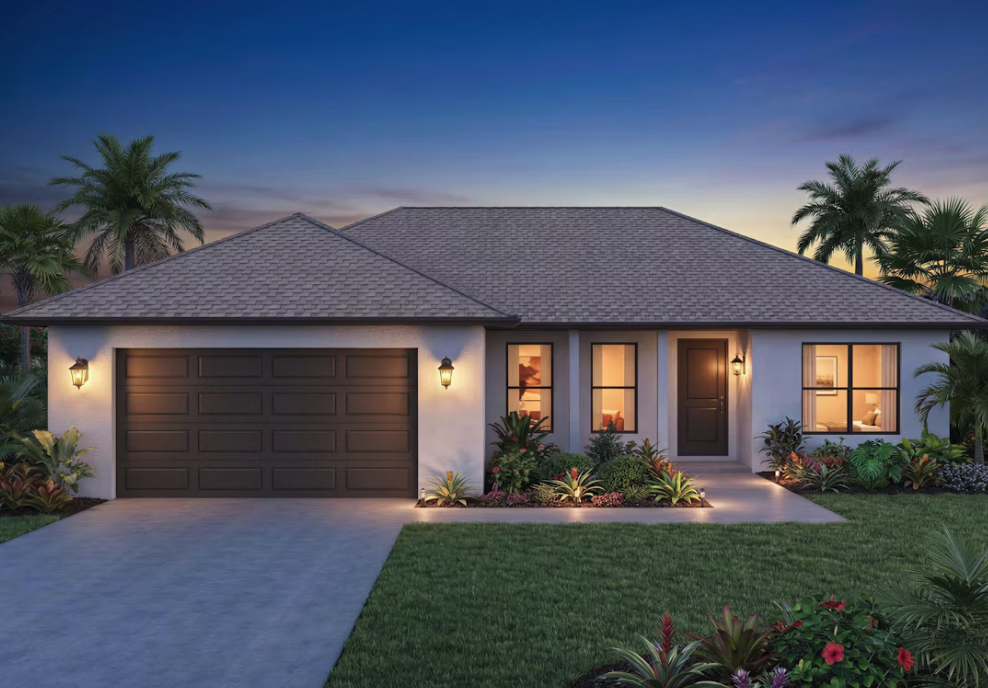
A buyer decides a lot about a house before the car door even closes. The roof and the driveway are the two largest surfaces visible from the street. They are also two of the most expensive things to replace. That combination makes them easy to misjudge in both directions.
Some owners pour money into them expecting a full return. Others ignore them and get surprised by a low offer. The data points somewhere in between. Neither project usually pays for itself at sale, but both protect the price a home should already command.
What the Resale Data Actually Shows
The most widely used benchmark is the Cost vs. Value report from the Journal of Light Construction. It tracks 28 remodeling projects across U.S. markets. In its 2025 national averages, an asphalt roof replacement cost $31,871 and added an estimated $21,501 in resale value. That works out to 67.5% of the cost recovered. A metal roof recovered about half of its $51,865 price.
Compare that with a garage door replacement. It cost $4,672 and returned more than two and a half times that at resale. A steel entry door did nearly as well.
None of this makes roofs a bad decision. It shows that buyers pay for what they see and what worries them, not for what something cost. A garage door is cheap and visible. A roof is expensive and judged mostly by one question: how soon will this need replacing?
Curb Appeal Has a Measurable Price
Researchers at the University of Texas at Arlington and the University of Alabama put a number on first impressions. They scored Google Street View images of homes around Denver and matched them to roughly 89,000 sales. Homes with strong curb appeal sold for about 7% more than similar homes nearby with weak curb appeal. In slow markets, that gap grew as high as 14%.
Two details from that work matter here. Broken pavement counted against a home’s score, right alongside overgrown grass. And about a third of the premium came from neighboring properties, which no seller controls. An owner can only fix their own roofline and their own driveway, which is exactly why those two deserve attention.
Why the Roof Carries More Weight Than Its Return Suggests
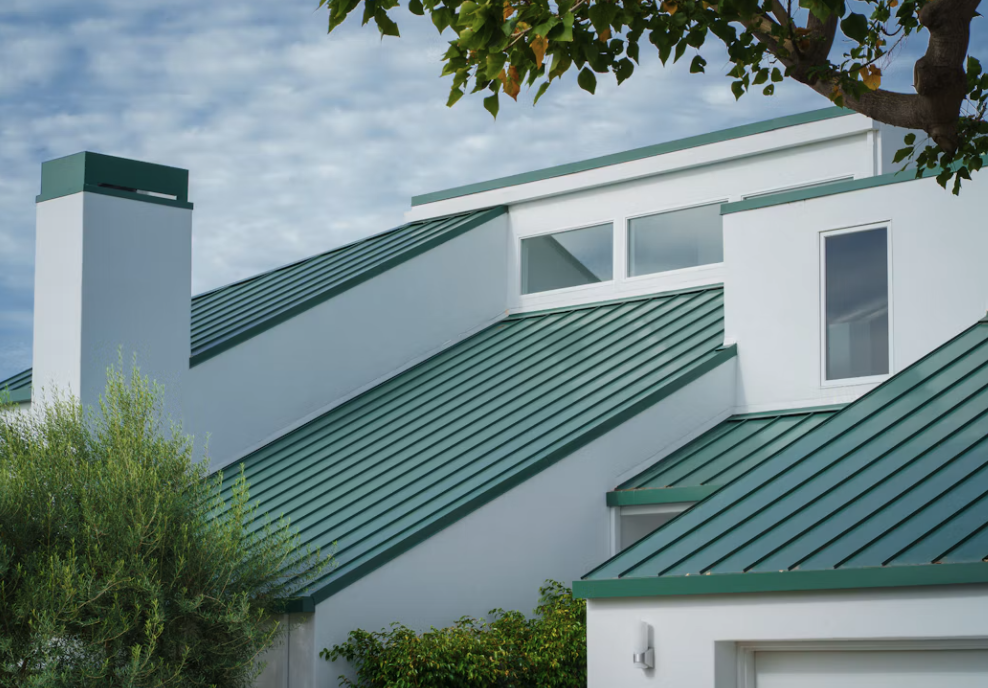
A tired roof does damage that never shows up in a cost recovery percentage. Inspectors flag it. Buyers’ agents use it to negotiate. Lenders and insurers ask how old it is. A roof with a few years left can turn into a large credit at closing, even when it isn’t leaking.
That is the real case for replacing an aging roof before listing. It removes the objection before anyone can raise it.
Material choice then decides how much the new roof adds to the view from the street. Flat 3-tab shingles were the default for decades. Most asphalt roofs going on today use dimensional shingles instead, built from two or more fused layers. The layering creates shadow lines across the roof, so it reads as texture rather than a flat grid. They also tend to carry higher wind ratings and longer expected lifespans than 3-tab.
Premium materials are a separate calculation. Metal, slate and synthetic shake are usually chosen for lifespan, fire or hail ratings, or a specific look. Those benefits go mostly to whoever lives under the roof. An owner planning to stay for decades weighs them very differently from one listing next spring.
Driveways Are the Upgrade With No Clean Number
Driveways don’t appear in the Cost vs. Value report at all. The percentages that circulate online usually trace back to paving companies. The honest answer is that a driveway rarely adds value on its own. A bad one subtracts it.
Cracks, potholes, sunken slabs and oil stains are the first thing a buyer walks across. They signal deferred maintenance, and buyers assume the rest of the house got the same treatment. That is the logic behind broken pavement lowering a curb appeal score.
So the useful question changes. It isn’t what a new driveway will earn, but what the current one is costing. Often the answer points to repair, not replacement. Filling cracks, patching and sealcoating an asphalt drive can make it presentable for a fraction of a tear-out. A thorough pressure wash does more for tired concrete than most owners expect.
Choosing Between Asphalt and Concrete
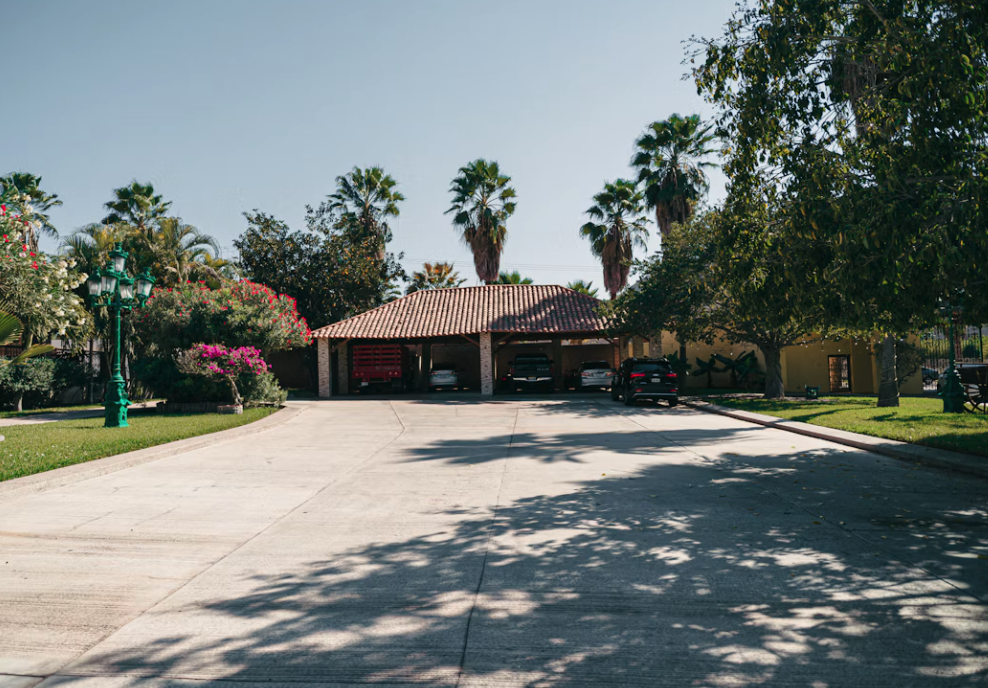
When replacement is unavoidable, the two common materials trade upfront cost against upkeep. Asphalt costs less to install and tolerates freeze and thaw cycles well. It needs sealcoating every few years, though, and generally wears out sooner. Concrete costs more upfront, lasts longer and needs less routine attention. It can crack if the ground underneath shifts or drains poorly.
For curb appeal, design often matters more than material. A driveway with clean edges, a width that suits the house and drainage away from the garage reads as cared for. Stamped concrete and pavers add character, but they also add cost and upkeep. They work best as a personal choice rather than a resale strategy.
Where to Spend First
On a limited budget, order matters more than ambition. The roof comes first when it is near the end of its life. It is the item most likely to cost money at the negotiating table. The driveway comes next, and repair usually beats replacement. Smaller visible fixes, like a new garage door, a painted front door and trimmed landscaping, often return more per dollar than either.
Owners planning bigger exterior projects can fold these choices into a wider plan, like a backyard outdoor living space. The front of the house still sets the price, though. It is the part every buyer sees first.
Frequently Asked Questions
Does a new roof increase home value?
It raises value, but rarely by its full cost. In the 2025 Cost vs. Value report, an asphalt roof replacement recovered about 67.5% of its cost at resale. The bigger benefit is avoiding the price cuts and repair credits that an old roof tends to trigger during inspection and negotiation.
Are dimensional shingles worth it over 3-tab?
For most homes, yes. Dimensional shingles are thicker, carry higher wind ratings and usually last longer than 3-tab. They also add visible depth to the roof, which helps curb appeal. 3-tab still makes sense for sheds, detached garages or short-term budget repairs.
Should I replace my driveway before selling?
Usually not. A full replacement rarely pays for itself, and there is no reliable national return figure for driveways. Repairing cracks, patching damage and sealcoating or cleaning the surface often fixes the first impression for much less money.
Is concrete or asphalt better for resale?
Neither has a proven resale advantage. Concrete lasts longer and needs less routine care, while asphalt costs less upfront and handles freeze and thaw cycles well. Condition matters far more than material, since buyers notice cracks and stains before they notice what the surface is made of.
How much does curb appeal affect sale price?
Research covering about 89,000 Denver-area sales found that homes with strong curb appeal sold for roughly 7% more than comparable homes nearby. The premium reached as high as 14% in slow markets, when buyers had more homes to choose from.
Author Bio:
Jackie Kaufman is a freelance writer specializing in construction, renovation, and the evolving practices shaping the built environment. With a growing focus on sustainability, she explores how thoughtful design, responsible materials, and smarter building methods can create lasting impact. When she’s not writing, Jackie enjoys hiking Colorado’s trails with her children, where she and her family live. Her work has been featured on sites such as Building Product Advisor, a leading resource for construction industry professionals.