

Introduction to Modern Kitchen Remodeling
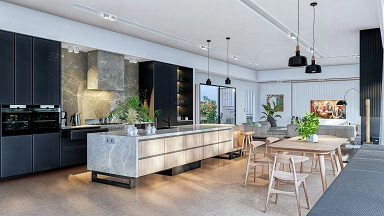
The kitchen remodeling ideas has evolved significantly over the years, transforming from a purely functional space to a central hub for family gatherings, social interactions, and culinary creativity in modern homes. In contemporary living spaces, the importance of an aesthetically pleasing yet functional kitchen cannot be overstated. As the heart of the home, the kitchen often dictates the overall ambiance of the household, making its design and layout critical for both convenience and enjoyment. Contemporary kitchen remodeling trends are influenced by various factors, including advancements in technology, changing lifestyles, and evolving design philosophies. Homeowners today seek kitchens that reflect their personal style while accommodating their everyday needs. This has led to a surge in innovative designs that prioritize open-concept layouts, multi-functional islands, and the integration of smart appliances that enhance efficiency and connectivity.
The rise of sustainable materials and eco-friendly practices has also shaped modern kitchen remodeling. Many homeowners are now choosing materials that not only look good but are also environmentally responsible. This includes the use of reclaimed wood, sustainable countertops, and energy-efficient appliances. In this context, kitchen remodeling becomes more than just a renovation project; it evolves into a means of expressing personal values and commitment to sustainability.
Moreover, creativity and personalization play vital roles in kitchen design. Homeowners are increasingly willing to experiment with colors, textures, and layouts to create a space that is distinctly their own. This can manifest in various ways, such as unusual cabinet finishes, unique backsplash tiles, or creative lighting solutions that add visual interest and enhance functionality.
Overall, modern kitchen remodeling encapsulates the dynamic interplay between aesthetic appeal and functionality, while also reflecting the homeowner’s lifestyle and preferences. With the right vision and thoughtful planning, a remodeled kitchen can significantly enhance both the value of a home and the quality of life for its residents.
Assessing Your Kitchen Space
Before embarking on a kitchen remodeling project, it is crucial to assess your current kitchen space comprehensively. This assessment will provide valuable insights that guide your renovation decisions, ensuring your new kitchen aligns well with your needs and preferences.
Start by identifying the strengths and weaknesses of your existing kitchen layout. Consider elements such as the layout, storage solutions, and overall functionality. Take note of what works effectively, such as efficient storage for utensils or adequate counter space, and what does not meet your expectations, for example, outdated cabinetry or insufficient lighting. Recognizing these factors will help to prioritize changes during the remodeling process.
Next, accurately measure your kitchen area to understand the available space better. Utilize a tape measure to obtain precise dimensions of walls, cabinetry, and appliances. This data will prove invaluable when planning your new design and can prevent costly mistakes during implementation. Additionally, consider making notes on the current placement of electrical outlets and plumbing, as these can significantly affect the scope and feasibility of your remodeling plans.
Understanding the flow and functionality of your kitchen is paramount. Analyze how you and your family move through the space while cooking and entertaining. This includes considering the ‘work triangle’ principle, which emphasizes the relationship between the stove, refrigerator, and sink. Improper flow can hinder efficiency, thus understanding existing patterns will help in creating a more functional layout.
Lastly, anticipate future needs that might arise due to evolving family dynamics or lifestyle changes. Are you planning to expand your family, or will you require space for entertaining more guests? Assessing these factors can ensure your kitchen remains practical for years to come. A well-considered approach to kitchen remodeling will significantly enhance both usability and satisfaction in your culinary environment.
Choosing a Design Style
When embarking on a kitchen remodeling project, selecting a design style is a crucial step that will set the tone for the entire space. For modern kitchens, several popular design aesthetics can provide inspiration and direction. Among the most favored are minimalist, industrial, farmhouse, and Scandinavian designs, each offering unique characteristics that can enhance both functionality and beauty.
The minimalist style emphasizes simplicity and decluttering, making it a perfect choice for modern kitchens. This approach utilizes clean lines, neutral color palettes, and functional furniture, ensuring that every element serves a purpose without overwhelming the senses. If you appreciate a sleek and unobtrusive aesthetic, minimalism may be your ideal choice.
On the other hand, industrial design embraces raw materials and an edgy ambiance. This style often features exposed brick, metal fixtures, and rustic wooden elements that create a bold statement. If you enjoy a more urban and contemporary look, incorporating industrial elements into your kitchen can result in a strikingly modern atmosphere.
The farmhouse style, characterized by its warmth and charm, balances rustic appeal with modern convenience. Key features include wooden cabinetry, open shelving, and a mix of vintage and contemporary decor. This style can be ideal for those who wish to infuse their kitchen with comfort while maintaining a modern edge.
Lastly, Scandinavian design is known for its functionality, simplicity, and connection to nature. Neutral tones, organic materials, and natural light are staples of this aesthetic. If you appreciate a bright and airy kitchen that promotes a sense of peace and well-being, this design might resonate well with you.
Ultimately, choosing a design style hinges on personal taste and how well it complements the overall home design. By exploring these styles and understanding their unique attributes, homeowners can make informed decisions that not only reflect their preferences but also enhance their kitchen’s functionality and visual appeal.
Innovative Layout Ideas
When it comes to kitchen remodeling, choosing the right layout is critical for maximizing both functionality and aesthetic appeal. Innovative layouts can not only enhance space utilization but also create an inviting atmosphere that encourages interaction. Among the most popular designs are open concept, U-shape, L-shape, and galley kitchens.
Open concept layouts are increasingly favored in modern homes as they merge the kitchen with living and dining areas, fostering a seamless flow. This design eliminates barriers, allowing for easy communication and movement, which is particularly beneficial during gatherings. Furthermore, an open concept kitchen makes the space appear larger and brighter, creating an uplifting environment.
On the other hand, U-shape and L-shape kitchens are designed to maximize work efficiency. The U-shape layout features cabinets and appliances along three walls, providing ample storage and countertop space. This configuration is excellent for those who enjoy cooking, as it promotes an efficient work triangle between the sink, stove, and refrigerator.
The L-shape kitchen layout is another innovative option that suits both small and large spaces. It consists of cabinetry along two adjoining walls, allowing for flexibility in design and functionality. This layout is particularly popular as it can easily accommodate an island, further enhancing workspace while providing additional seating for informal meals.
Meanwhile, galley kitchens, characterized by their parallel countertops, are an efficient choice for narrow spaces. This layout facilitates streamlined cooking processes and keeps everything within reach, depending on one’s design choices. Additionally, galley kitchens can be enhanced with open shelving or pass-through windows to create a more spacious feel.
In conclusion, selecting an innovative kitchen layout can significantly impact the functionality and social dynamics of your home. By reflecting on these modern layouts, homeowners can create spaces that blend practicality with a welcoming ambiance, making kitchens the true heart of the home.
Smart Storage Solutions
In modern kitchen design, smart storage solutions are essential for maximizing utility and minimizing clutter. As kitchens often serve multiple purposes, the effective organization of kitchen essentials becomes vital. One innovative approach is to implement pull-out cabinets. These cabinets provide easy access to items stored at the back, making it simpler to reach for what you need without having to rummage through the entire space.
Another excellent option is pantry innovations, which include customizable shelving and bins that cater to both small and large kitchens. By incorporating adjustable shelves, homeowners can optimize the space based on their unique storage requirements. Furthermore, using clear bins in pantries can enhance visibility and promote an organized look, making it easier to find ingredients quickly.
Space-saving shelves mounted on walls are also an effective way to maximize vertical space in modern kitchens. Not only do these shelves free up countertop space, but they also serve as a stylish display for decorative items or cookbooks. This adds character to the kitchen while keeping essentials within reach.
Multifunctional furniture, such as kitchen islands with built-in storage or dining tables that can double as prep areas, can revolutionize space usage. These furniture pieces serve multiple purposes and offer extra storage options without sacrificing design or functionality. Incorporating such elements enables a seamless blend of convenience and style, ensuring that the kitchen remains an inviting and practical space.
In conclusion, the integration of smart storage solutions in modern kitchens not only enhances organizational efficiency but also contributes to a more aesthetically pleasing environment. Emphasizing creativity in storage design can lead to a kitchen that meets the needs of daily life while allowing for a contemporary flair.
Choosing the Right Materials and Finishes
When embarking on a kitchen remodeling project, the selection of materials and finishes plays a pivotal role in creating a harmonious and functional space. The choices made regarding countertops, cabinetry, and flooring not only impact the kitchen’s aesthetic appeal but also its long-term durability and maintenance requirements. To navigate this essential decision-making process, it is important to consider several factors.
One emerging trend is the use of quartz for countertops, which has surged in popularity due to its durability and low maintenance needs. Unlike natural stones, quartz is engineered, allowing for a variety of colors and patterns that can seamlessly align with a modern kitchen’s design concept. Furthermore, quartz surfaces are non-porous, making them resistant to staining and bacteria, thus ideal for cooking environments.
In addition to countertops, cabinetry material selection can significantly influence the kitchen’s style. Reclaimed wood is increasingly sought after, offering a rustic charm while promoting sustainability. This trend not only contributes to an eco-friendly remodeling choice, but it also resounds with the growing consumer interest in unique, character-rich elements that tell a story. Pairing reclaimed wood with contemporary hardware can strike a beautiful balance between rustic and modern aesthetics.
Flooring options also warrant close attention. For a cohesive design, materials such as bamboo and luxury vinyl tiles are worth considering. Bamboo is a sustainable choice that provides durability and resistance to moisture, while luxury vinyl tiles offer the appearance of natural wood or stone with added resilience. The choice of flooring should complement other materials in the kitchen to ensure a seamless visual flow.
Ultimately, selecting the right materials and finishes involves balancing personal style preferences with practical considerations of durability, maintenance, and cohesion. By thoughtfully choosing elements that resonate with the overall kitchen design, homeowners can create a modern space that is both inviting and functional.
Incorporating Technology in Kitchen Design
Modern kitchens are increasingly becoming the heart of the home, where design meets functionality and technology plays a pivotal role. One of the most prominent aspects of contemporary kitchen design is the integration of advanced technology, which enhances convenience and efficiency in everyday tasks. By incorporating smart appliances, homeowners can streamline cooking processes and manage kitchen activities from a distance using smartphones or voice commands.
Smart refrigerators, for instance, come equipped with features that allow you to check inventory through an app, enabling better meal planning and reducing food waste. Furthermore, smart ovens can adjust cooking temperatures and times automatically, ensuring that meals are prepared to perfection without the need for constant monitoring. These innovative appliances indicate how technology makes cooking more manageable, even for those with busy lifestyles.
Touchless faucets are another example of how technology can transform the kitchen experience. They offer a hygienic solution since users can activate the water flow with a simple wave of their hand. This feature is particularly helpful when multitasking, as it prevents the contamination of surfaces while cooking. Additionally, energy-efficient lighting systems equipped with smart controls not only save electricity but also enhance the ambiance in the kitchen, allowing homeowners to adjust lighting settings based on their needs or preferences.
Incorporating technology in kitchen design is not just about convenience; it also contributes to sustainability. Energy-efficient appliances reduce energy consumption, benefitting the environment while also lowering utility bills. Smart home systems can monitor energy usage patterns in real time, providing insights that motivate users to adopt more eco-friendly habits. In this digital age, embracing technology in kitchen design can significantly improve functionality and maintainability, proving that modern homes can be both stylish and practical.
Adding Personal Touches and Decor
Infusing personal touches into your kitchen design is a pivotal aspect of creating a space that truly reflects your style and personality. By thoughtfully integrating decor elements, you can transform a functional area into a welcoming environment that resonates with your individual preferences. One effective way to do this is by selecting a color scheme that mirrors your tastes; vibrant hues can energize the space, while muted tones may promote tranquility.
Incorporating artwork is another excellent means of adding character to your kitchen. Consider displaying framed prints, original paintings, or even handmade crafts that speak to your culinary passions or interests. These decorative elements can serve as focal points, breaking up the line of cabinetry and appliances while also showcasing your personality.
Decorative utensils, such as stylish pots and pans, thoughtfully placed on open shelves or hung on walls, can also enhance the aesthetic of your kitchen. Opt for unique designs that align with your chosen theme or color palette. Additionally, incorporating plants can breathe life into the room. Choose easy-to-maintain varieties like herbs, which not only add greenery but also provide fresh ingredients for your meals.
Moreover, consider reflecting your hobbies or interests within the design. If you are an avid baker, dedicate a section of your countertop to baking essentials, complemented by a vision board of your favorite recipes. A personalized approach showcases your lifestyle while making the kitchen inviting for family and friends.
In conclusion, adding personal touches and decor to your kitchen can create a uniquely expressive atmosphere, allowing you to enjoy your culinary space intimately. By balancing aesthetic appeal with practicality, you set a stage for culinary creativity and connection with loved ones.
Conclusion and Further Inspiration
In considering the myriad of creative kitchen remodeling ideas available for modern homes, it becomes clear that a successful kitchen renovation harmonizes both creativity and practicality. Homeowners are encouraged to approach their kitchen space as a canvas where personal style can flourish while also accommodating functional needs.
Key takeaways from our exploration stress the importance of blending aesthetics with functionality. This encompasses everything from selecting a cohesive color palette to integrating smart storage solutions that can transform a kitchen into an organized and pleasant environment. The desired outcome should always reflect the unique personality of the homeowner while maximizing the kitchen’s usability, making it a truly effective space for both cooking and entertaining.
For those seeking further inspiration, numerous resources can foster creativity during the remodeling process. Websites such as Houzz and Apartment Therapy provide extensive galleries showcasing innovative designs and practical implementations. Additionally, design-focused books like “The Kitchen Book” by Andrew Martin and magazines such as “Dwell” and “Architectural Digest” offer a wealth of visual ideas and professional advice tailored specifically to contemporary kitchen design.
Ultimately, embarking on a kitchen remodel is an exciting opportunity to enhance both the beauty and functionality of one of the most important areas in any home. By embracing individual styles and keeping abreast of innovative design trends, homeowners can create a kitchen that is not only aesthetically pleasing but also a joy to inhabit. Remember, every remodeling project should reflect personal tastes while ensuring the space remains practical for daily living.