


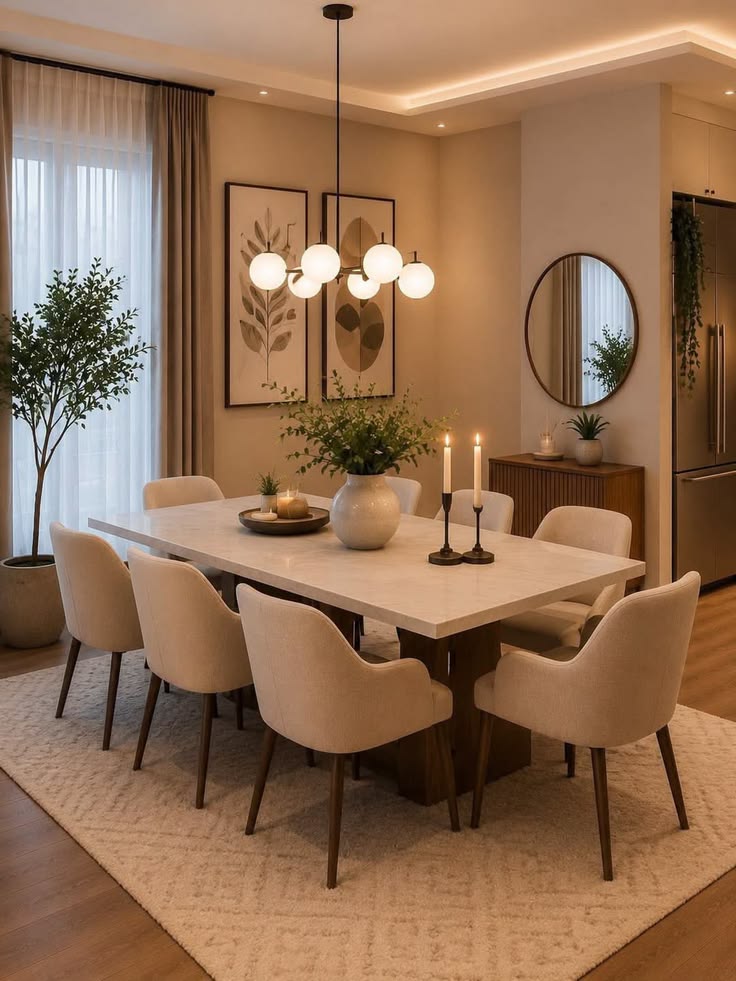
Inspiration for Your Dining Room
When it comes to decorating your dining room, the style and theme you choose can significantly influence the atmosphere and practicality of the space. Various design aesthetics cater to different tastes and purposes, offering unique inspirations for creating a memorable dining experience.
Modern dining room decor emphasizes clean lines, minimalism, and functionality. By incorporating sleek furniture with neutral tones and metallic accents, you can create an inviting and contemporary space. Open layouts with large windows enhance the natural light and atmosphere, ensuring the dining area feels spacious and pleasant. This approach not only promotes a chic aesthetic but also allows for effortless hosting of gatherings.
On the other hand, rustic dining room styles bring a sense of warmth and coziness to the home. Using natural materials like reclaimed wood and stone, along with earthy color palettes, helps create a welcoming environment. Accessories such as vintage lanterns and handmade tableware can further enhance the rustic charm. This theme is particularly suited for those who appreciate a more laid-back and informal dining experience, as it encourages familial connections and relaxed gatherings.
For those drawn to the elegance of the past, vintage dining room decor can be both nostalgic and stylish. Incorporating antique furniture and vintage tableware not only adds character to the space but also serves as a conversation starter. Rich colors, intricate patterns, and classic pieces can transform your dining room into a timeless retreat, reminiscent of bygone eras.
Alternatively, the minimalist approach focuses on simplicity and functionality, often characterized by monochromatic color schemes and minimal furniture. Decluttering and using multifunctional pieces can create a serene dining experience, allowing you to enjoy meals without distractions. By stripping down to essential elements, you can establish a peaceful atmosphere that prioritizes connection and mindfulness.
Choosing the Right Color Palette
When it comes to decorating a dining room, the color palette plays a pivotal role in setting the ambiance. Colors not only affect the aesthetics of the space but also influence the moods and experiences of its occupants. Selecting complementary colors can enhance the dining experience, creating an atmosphere that is welcoming and conducive for gatherings.
To begin, consider the size and natural light of your dining room. For smaller spaces with limited light, lighter shades such as soft whites, pastels, or light greys can create an illusion of more space and brightness. In contrast, larger rooms may benefit from bolder colors to create a more intimate feel. Rich colors like deep blues, greens, or even terracotta can add drama and warmth.
When deciding on the color palette, aim for a harmonious blend of shades. A popular approach is to use a base color complemented by two or three accent colors. For instance, a neutral palette of taupe or beige can be paired with vibrant colors such as mustard yellow or teal to infuse personality without overwhelming the senses. Alternatively, monochromatic schemes can create a sophisticated look; using varying shades of one color can add depth and interest.
Popular color combinations include navy blue with gold accents, which evokes a classic and elegant vibe, or grey with blush and soft greens, perfect for a fresh and modern feel. Texture also plays an important role, so consider pairing matte finishes with glossy elements to create a visually appealing contrast.
Ultimately, the right color palette should reflect your personal style and complement the overall decor of your home while enhancing the dining experience for you and your guests.
Furniture Selection and Arrangement
When it comes to decorating a dining room, the selection of furniture plays a critical role in both the aesthetics and functionality of the space. Key considerations include the size, style, and material of the dining room table, chairs, and any necessary storage solutions. The first step in making an informed choice is to measure the available space to ensure that the selected furniture will fit comfortably without overcrowding the area.
The dining table is perhaps the centerpiece of the room. A well-chosen table not only serves as a practical element for meals but can also influence the overall ambiance of the dining area. Various designs, such as round, rectangular, or extendable tables, cater to different needs and styles. For smaller spaces, a round table often allows for easier movement and can facilitate better conversation among guests. It’s essential to select a table that complements the existing decor while meeting functional requirements.
Chairs are another important element of dining room furniture. Comfort should be prioritized, especially if the dining experience is lengthy. Dining chairs come in numerous styles, from upholstered to wooden options. Choosing a style that matches the table can create a cohesive look, while incorporating different textures or colors can add character to the room.
Lastly, adequate storage solutions, such as sideboards or cabinets, can enhance the organization and functionality of the dining room. These pieces allow for the storage of dishes, linens, and other dining essentials. When arranging the furniture, it is important to consider the flow of the room. Ensuring there is enough space between the dining table and walls or other furniture pieces will allow guests to move freely without obstruction. A well-planned arrangement not only maximizes space but also creates a welcoming atmosphere for dining experiences.
Incorporating Textiles and Patterns
Textiles play a crucial role in the aesthetic appeal of any dining room. They not only add warmth and comfort but also infuse personality and style into the space. From tablecloths to upholstery and curtains, utilizing various textiles can significantly enhance your dining experience. When considering textiles, it is essential to choose materials that complement each other while also creating a cohesive look.
A well-chosen tablecloth can serve as the centerpiece of your dining setting. Opting for bold prints or rich textures can set the tone for the entire room. For instance, a vibrant tablecloth featuring intricate patterns can act as a focal point, especially when paired with neutral dinnerware. Additionally, incorporating placemats and napkins in contrasting colors or patterns can create a layered effect, further enriching the visual interest.
Curtains are another textile element that should not be overlooked. They can dramatically influence the ambiance of your dining room. Light, airy fabrics can allow natural light to filter through, creating an open and inviting atmosphere. On the other hand, heavier drapes can lend a sense of warmth and coziness. Mixing patterns in your curtain design can evoke a playful yet organized feel. Stripes combined with floral prints, for example, can introduce a dynamic yet harmonious aesthetic.
Upholstery is equally important when incorporating textiles into your dining area. Chairs and benches upholstered in different fabrics can add depth and character. Pairing leather with woven textures or velvet can create a sophisticated contrast. However, it is crucial to maintain balance; consider selecting a dominant pattern for the larger pieces and complementing them with smaller, more subtle designs in cushions or seat covers.
Ultimately, the key to a successfully decorated dining room lies in mixing and matching textiles and patterns thoughtfully. By doing so, you cultivate a unique space that reflects your personal style while also ensuring functionality and comfort for dining occasions.
Lighting for Atmosphere
The importance of lighting in dining areas cannot be overstated. Proper lighting sets the mood, enhances the color and texture of the decor, and creates a warm, inviting atmosphere for guests and family. Effective lighting in a dining room typically consists of three types: ambient, task, and accent lighting.
Ambient lighting serves as the primary source of illumination for the dining area. It can be achieved through ceiling-mounted fixtures, chandeliers, or wall sconces that provide a soft, even spread of light. Choosing warm LED bulbs can create a cozy atmosphere, making dining experiences more enjoyable. A well-placed dimmer switch can also enhance ambiance by allowing you to adjust the brightness according to the occasion.
Task lighting is essential for functional purposes. It focuses on specific tasks such as reading a menu, serving food, or setting the table. Pendant lights above the dining table are a popular choice for task lighting, as they provide sufficient light right where it is needed. Selecting decorative fixtures, such as those with a unique design or color, can serve dual purposes by enhancing the room’s decor while offering practical illumination.
Accent lighting adds a layer of depth to the dining space by highlighting architectural features or decorative elements. Wall-mounted art pieces, buffet tables, or even unique table centerpieces can be emphasized using spotlights or track lighting. This creates an inviting focal point that draws the eye and enriches the ambiance of the room.
In summary, incorporating various types of lighting can significantly affect the atmosphere in your dining room. By carefully selecting ambient, task, and accent lighting, as well as decorative light fixtures, you can transform your dining area into an enchanting environment conducive to memorable meals and gatherings.
Adding Decorative Accents
Decorative accents are integral to enhancing the aesthetic appeal of a dining room. They serve not only as embellishments but also as expressions of personal style. When selecting art, mirrors, and decorative objects, it is essential to consider how these elements can create focal points and bring harmony to the overall decor.
Art can profoundly influence the atmosphere of a dining space. Large paintings or framed prints on the wall can serve as captivating focal points, drawing guests’ eyes and sparking conversation. When choosing art, it is critical to select pieces that resonate with your taste while complementing your dining room’s color scheme. For example, if your space features warm tones, a vibrant artwork with similar shades can create a cohesive look. Alternatively, a contrast in colors may also provide a dynamic and interesting ambiance.
Mirrors are another powerful decorative accent that can enhance the dining room’s visual dimensions. Strategically placed mirrors can make the space appear larger and more inviting, while also reflecting light to brighten the room. Consider using an ornate mirror as a statement piece above a sideboard or mixing smaller mirrors in various shapes and sizes to create a gallery wall. This not only adds character but also provides depth and sophistication to your dining area.
Additionally, decorative objects such as vases, sculptures, or unique table centerpieces can infuse personality into the decor. Choose items that reflect your interests, travels, or memories, as they can serve as great conversation starters. When integrating these accents, balance is crucial; avoid overcrowding surfaces with too many items, which can create a cluttered feel. Instead, opt for a few select pieces that embody your style and complement the overall design.
Incorporating Nature and Greenery
In recent years, the trend of incorporating nature and greenery into indoor spaces has gained considerable momentum, particularly in the dining room. This design choice not only enhances the aesthetic appeal but also brings a plethora of benefits to the overall atmosphere. Research indicates that the presence of plants can improve air quality, reduce stress, and create a more inviting environment for family gatherings and entertaining guests.
When looking to add greenery to your dining room, it is important to consider plants that are both visually appealing and easy to maintain. Low-maintenance indoor plants such as pothos, snake plants, and peace lilies can be excellent choices. Pothos is known for its trailing vines, which add an elegant touch when placed on shelves or hung in decorative planters. Snake plants, with their upright, striking leaves, are not only resilient but also effective in removing toxins from the air. Peace lilies offer beautiful white blooms, enhancing the room’s decor while being tolerant of low light conditions.
In addition to potted plants, there are other creative ways to integrate nature into your dining experience. Consider incorporating natural elements such as wooden tables, bamboo placemats, or stone centerpieces to echo the organic feel of the plants. If you have the space, vertical gardens or wall-mounted planters can add an impressive visual statement while allowing you to maximize your dining area without taking up precious table space. Moreover, using natural materials for table settings, such as linen cloths or clay dishware, can further enhance the connection to the outdoors.
Overall, adding nature and greenery into the dining room not only infuses the space with freshness but also promotes a serene and harmonious environment. By carefully selecting the right plants and integrating natural elements, you can create an inviting dining area that resonates with the warmth of the outdoors.
Creating a Functional Space
Designing a dining room that is both stylish and functional can significantly enhance the experience of dining and hosting gatherings. The key to achieving this functionality lies in careful planning to accommodate various needs while maintaining a welcoming atmosphere. One important aspect is organization, as an orderly environment promotes ease of use and enhances the overall experience.
Incorporating clever storage solutions can greatly improve the usability of your dining room. Consider furniture that doubles as storage, such as benches with compartments or tables with built-in shelves. These options are perfect for storing tableware, linens, and other dining essentials, keeping everything within easy reach without cluttering the space. Additionally, a sideboard or buffet can serve as an attractive focal point while providing ample storage for serving dishes and glassware.
Multi-purpose furniture is another excellent way to optimize functionality. A table that can be extended or reconfigured is ideal for both intimate family meals and larger gatherings. Foldable or stackable chairs offer flexibility, allowing you to maximize seating when needed without sacrificing space.
Furthermore, maintaining flexibility in your dining room design is crucial. This can be achieved by creating an open layout that allows for easy flow and rearrangement. Consider using lightweight, movable furniture that can be easily adapted to the size of your gatherings. For instance, a circular table can provide a more inclusive space for conversation, while rectangular arrangements might be better for formal dinners.
To ensure the dining area remains functional, regularly reassess your layout and storage solutions. The dynamics of your household and your entertaining style may change over time, necessitating adjustments to the space. Effective planning and thoughtful design will enable you to create a functional dining room that is versatile and inviting for every occasion.
Seasonal Decorating Tips
One of the most effective ways to keep your dining room fresh and inviting is by embracing the concept of seasonal decorating. This approach allows for a transformation of the dining space, reflecting the changing themes and moods that different seasons and holidays inspire. By incorporating seasonal elements, you create an environment that is not only visually appealing but also enhances the dining experience for you and your guests.
As the seasons change, consider swapping out table linens, centerpieces, and wall decorations. For instance, in the vibrant days of spring, opt for light tablecloths adorned with floral motifs. Add pastel-colored napkins and incorporate fresh flowers into your centerpieces, evoking a sense of renewal. During summer, you might prefer bright, bold colors that mirror the warm weather. Simple accents like seashells or a beach theme can also liven up your dining room.
As autumn approaches, introduce warmer hues such as deep oranges and rustic browns. Utilize seasonal fruits, like pumpkins and gourds, in your decor, either as centerpieces or as part of a welcoming display on a side table. When winter arrives, transform your dining space into a cozy retreat with rich textures, like velvet or flannel, and decorative elements such as holiday lights or festive centerpieces that celebrate the season’s festivities.
Consider also the importance of small accents, such as seasonal artwork or themed dinnerware, which can easily be replaced without requiring major alterations to your decor. This flexibility is essential as it allows you to transition from one season to the next smoothly. By adopting these simple yet effective seasonal decorating tips, you can ensure your dining room remains a beautiful, inviting space year-round, ready to host both everyday meals and special celebrations.