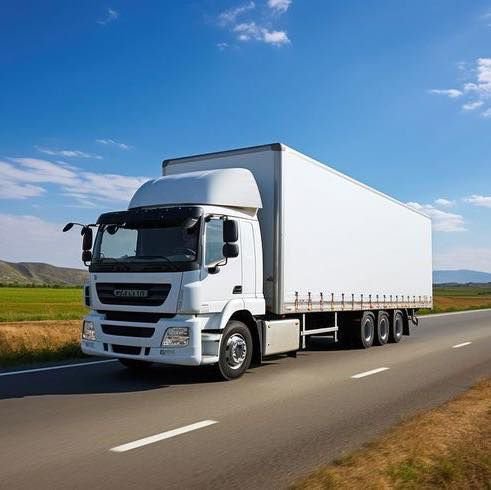
A commercial truck listed for $8,000 less than a similar model closer to home might seem like an obvious bargain. But once transportation, inspections, registration, and potential service issues enter the picture, that price difference can shrink considerably.
For business owners purchasing commercial vehicles, location affects much more than how far they need to travel to inspect a truck. It can influence the types of equipment available, the cost of getting a vehicle into service, local operating requirements, and access to maintenance support.
Whether a company is buying its first delivery truck, expanding a construction fleet, or replacing a tow truck, understanding these geographic factors can help prevent expensive purchasing mistakes.
The Purchase Price Is Only Part of the Equation
The location of a commercial vehicle can significantly affect its total acquisition cost. A lower advertised price does not necessarily mean a better deal, particularly when the vehicle is located several states away.
Buyers should consider the additional expenses required to bring a vehicle into operation, including:
- Transportation or delivery: Shipping a large commercial truck can add substantial costs, depending on distance, vehicle dimensions, and whether it can be driven legally and safely.
- Travel and inspections: Visiting a distant seller may require airfare, accommodations, or hiring an independent inspector.
- Taxes and registration: Applicable taxes, title fees, and registration requirements depend on the transaction and the jurisdiction where the vehicle will be registered.
- Immediate maintenance: A vehicle may need servicing, repairs, or equipment adjustments before entering regular operation.
- Lost operating time: Delays in delivery, inspection, or registration may postpone the revenue the vehicle was purchased to generate.
Consider a hypothetical comparison between two similar commercial trucks.
| Expense | Local truck | Out-of-state truck |
| Advertised price | $48,000 | $43,000 |
| Inspection and travel | $200 | $900 |
| Transportation | $300 | $2,000 |
| Initial servicing | $800 | $1,200 |
| Estimated total | $49,300 | $47,100 |
These are illustrative figures, not market prices. Taxes, registration, financing, and other expenses are excluded.
The out-of-state truck remains less expensive in this example, but its original $5,000 price advantage has narrowed to $2,200.
That remaining difference should be weighed against vehicle condition, warranty terms, seller support, and the time required to complete the purchase.
Local Operating Conditions Should Influence Vehicle Selection
Commercial vehicles perform different jobs under different conditions. A truck that works well in one region may not be the most practical choice for another.
Terrain, climate, road conditions, and typical driving distances all influence equipment requirements.
Terrain and Road Conditions
A company operating primarily on urban streets may prioritize maneuverability, visibility, and ease of loading. A business serving rural construction sites may need greater ground clearance, suitable traction, or a different suspension configuration.
Hilly routes can also affect vehicle selection, particularly when trucks regularly carry heavy loads.
Engine performance, transmission characteristics, braking systems, and appropriate gearing become important considerations.
For example, a landscaping company that frequently travels on narrow residential streets may find a smaller commercial truck more practical than a larger model with greater carrying capacity but limited maneuverability.
The right vehicle is not necessarily the one with the highest specifications. It is the one that can perform the required work safely and efficiently.
Climate and Weather Exposure
Weather conditions can influence both vehicle durability and maintenance needs.
Trucks operating in areas where roads are treated with deicing chemicals may face increased corrosion exposure, particularly around undercarriage components, brake lines, and structural areas.
Vehicles used in hot climates may place greater demands on cooling systems, while frequent operation in wet or muddy environments can affect tires, brakes, and other components.
When purchasing a used commercial vehicle, buyers should investigate its operating history rather than relying only on its current location.
A truck being sold in a warm-weather state may have spent much of its working life elsewhere.
Maintenance records, previous registration information, and a physical inspection can help reveal issues that photographs and sales descriptions may not show.
Buying Near Your Operating Area Can Simplify the Process
Purchasing commercial equipment closer to where it will be used can offer practical advantages, especially for smaller businesses that cannot afford lengthy delays.
Local availability makes it easier to inspect multiple vehicles, compare configurations, and arrange follow-up evaluations.
Buyers may also have more flexibility to bring a trusted mechanic or equipment specialist to inspect a truck before committing to the purchase.
This is particularly valuable when evaluating specialized commercial vehicles.
For example, a towing business looking to find a tow truck in Greenville, South Carolina can begin with geographically relevant listings while comparing equipment configurations, condition, capacity, and suitability for its intended recovery work.
Searching by location does not guarantee that a nearby vehicle will be the best option. It simply provides a practical starting point for evaluating available equipment and estimating acquisition costs.
Local purchases can also make communication and logistics easier if additional documentation, inspections, or repairs are needed before delivery.
However, buyers should avoid limiting their search unnecessarily. A well-maintained vehicle from a distant seller may offer better long-term value than a poorly maintained truck located nearby.
Regional Industries Can Shape Commercial Vehicle Availability
The types of businesses operating in a region can influence which commercial vehicles appear on the local market.
Areas with substantial agricultural activity may have different equipment needs from regions dominated by construction, manufacturing, distribution, or urban delivery services.
These differences can affect the mix of vehicles offered by local dealers, fleet operators, and private sellers.
For instance, a buyer searching for a refrigerated delivery truck may encounter different inventory options than someone looking for a flatbed, dump truck, or heavy-duty recovery vehicle.
The availability of specialized equipment matters because commercial vehicles are not always easily interchangeable.
A truck may have an appropriate engine and chassis but lack the body configuration, hydraulic equipment, storage capacity, or other features required for a particular job.
Before searching, businesses should establish their essential specifications.
These may include gross vehicle weight rating, payload capacity, towing capability, wheelbase, body type, and any specialized equipment needed for daily operations.
Having clear requirements prevents buyers from choosing a vehicle simply because it is available nearby or appears attractively priced.
State Regulations Can Affect Where and How a Vehicle Operates
Commercial vehicle requirements can vary depending on vehicle classification, business activities, operating location, and whether the vehicle crosses state lines.
A truck that meets the needs of one business may require additional documentation, equipment, or operating authority when used for a different purpose.
For businesses operating in the United States, the Federal Motor Carrier Safety Administration provides information about commercial motor vehicle regulations and requirements, including federal rules that apply to certain commercial motor carriers and drivers.
Depending on the vehicle and its use, buyers may need to consider:
- Commercial driver’s license requirements.
- Vehicle registration and title procedures.
- Applicable weight and size restrictions.
- Federal or state motor carrier requirements.
- Required inspections and safety equipment.
- Interstate operating requirements, where applicable.
Not every commercial vehicle is subject to the same rules. A small delivery van used for local business operations may have different requirements from a heavy-duty truck operating across state lines.
Buyers should confirm the applicable rules with the appropriate state agencies and regulatory authorities before purchasing equipment.
This is especially important when acquiring vehicles from another state, modifying vehicle configurations, or expanding into new types of commercial work.
Access to Maintenance and Replacement Parts Matters After the Sale
A commercial vehicle purchase does not end when the truck reaches the business.
Maintenance, repairs, and parts availability continue to influence its operating costs throughout its service life.
A vehicle with specialized components may require technicians with specific experience or access to manufacturer-approved diagnostic equipment.
If suitable repair facilities are located far from the business, even routine maintenance can become inconvenient.
Unexpected failures may create longer interruptions when replacement parts must be ordered or specialized technicians are unavailable.
Before purchasing, buyers should investigate whether nearby service providers can maintain the vehicle’s engine, transmission, chassis, and specialized equipment.
For trucks fitted with hydraulic systems, lift equipment, refrigeration units, or recovery bodies, service support for those components deserves separate attention.
A general truck repair shop may be able to handle routine mechanical work without having the expertise or equipment needed for specialized repairs.
Businesses should also ask about parts availability, typical service lead times, and whether the vehicle uses components that are difficult to source.
A lower purchase price may lose its appeal if the equipment frequently remains out of service while waiting for repairs.
How Far Should Businesses Search for Commercial Vehicles?
There is no ideal search radius that applies to every commercial vehicle purchase.
The appropriate distance depends on the equipment required, local inventory, available budget, and how urgently the business needs the vehicle.
For common vehicle types, starting with nearby sellers may provide enough options for a meaningful comparison.
Specialized trucks may require a wider search.
A company seeking a particular recovery configuration, vocational body, or heavy-duty chassis may find that the best candidates are located outside its immediate region.
Rather than setting an arbitrary distance limit, buyers can use a staged approach.
First, identify available vehicles within a practical inspection and delivery range.
Next, compare those options with similar equipment in surrounding regions or neighboring states.
Finally, expand the search nationally if local inventory does not meet essential requirements or offers poor value.
The decision to travel farther should be based on the potential benefit after accounting for transportation, inspection costs, and the risk of delays.
A distant vehicle may justify the additional effort if it offers substantially better condition, appropriate specifications, or a stronger maintenance history.
Inspecting a Commercial Vehicle Before Purchasing
Location can make inspections easier or more difficult, but the quality of the inspection matters more than the distance involved.
A commercial truck should be evaluated for its mechanical condition, structural integrity, maintenance history, and suitability for the intended workload.
Review the Vehicle’s History
Request available maintenance records, ownership information, and documentation of major repairs.
For used vehicles, pay particular attention to recurring mechanical problems, accident damage, corrosion, and modifications.
Odometer readings and engine hours can provide useful information, although neither measurement tells the full story.
A vehicle that spends considerable time idling or operating specialized equipment may accumulate significant engine hours without traveling many miles.
Inspect the Equipment That Performs the Work
A commercial vehicle may have a mechanically sound chassis while its specialized equipment requires expensive repairs.
For example, a tow truck inspection should include the relevant recovery equipment, hydraulic systems, controls, structural components, and safety features.
A dump truck may require additional attention to its lifting mechanism, while a refrigerated truck needs an evaluation of its temperature-control system.
Qualified inspectors should assess these systems according to the vehicle’s configuration and intended use.
Arrange an Independent Inspection When Necessary
When purchasing from a distant seller, an independent inspection can help reduce uncertainty before the buyer commits to transportation or travel expenses.
The inspector should have experience with the specific type of commercial equipment being evaluated.
A general automotive inspection may not adequately assess a specialized work truck.
Buyers should also confirm the vehicle identification number, title status, and any available documentation before finalizing the transaction.
Evaluating the Total Cost of Ownership Across Different Locations
The best commercial vehicle purchase is not always the cheapest or closest option.
Businesses should compare the total cost of ownership, which includes the expenses associated with acquiring, operating, maintaining, and eventually replacing or selling the vehicle.
Location can affect several of these expenses.
Fuel consumption may differ depending on route conditions and traffic patterns. Maintenance expenses can vary with local labor rates and service availability. Insurance costs may also depend partly on where and how the vehicle operates.
For a useful comparison, managers can estimate:
Total ownership cost = Acquisition expenses + Financing costs + Operating expenses + Maintenance and repair costs − Expected resale value
The estimate should cover a consistent ownership period, such as three or five years, and account for any major differences in vehicle usage.
A truck with a higher purchase price may ultimately cost less if it requires fewer repairs, operates more efficiently, or retains greater resale value.
Likewise, a nearby vehicle may be worth considering even at a modest price premium if it can be inspected quickly and placed into service sooner.
These decisions become more reliable when businesses compare documented expenses rather than assumptions about local or out-of-state sellers.
Frequently Asked Questions About Buying Commercial Vehicles
Is it cheaper to buy a commercial truck from another state?
It can be, but the advertised price is only one factor. Buyers should include transportation, inspections, travel, applicable taxes, registration, and any immediate repairs. An out-of-state purchase offers better value only when the overall benefits justify those additional costs.
What should I check before buying a used commercial vehicle from a distant seller?
Request the vehicle identification number, title information, maintenance records, detailed photographs, and available inspection reports. Consider hiring an independent inspector familiar with the vehicle type. Confirm the seller’s legitimacy and resolve documentation questions before arranging payment or transportation.
Does the state where I buy a commercial truck affect registration?
The purchase location can affect transaction paperwork and applicable taxes, but registration requirements generally depend on where the vehicle will be registered and how it will be used. Buyers should verify the relevant rules with the appropriate state motor vehicle and tax authorities.
Should a small business prioritize local dealers over national inventory?
Local sellers can make inspections, delivery, and follow-up communication easier. However, national inventory may provide better options for specialized equipment or unusual specifications. Small businesses should compare vehicle condition, total acquisition costs, service support, and operational suitability rather than choosing based on distance alone.
Buy for the Work, Not Just the Location
Geography can influence almost every stage of a commercial vehicle purchase, from the equipment available to the cost of getting it ready for work.
Yet location should support the buying decision, not control it.
A nearby truck that cannot handle the required workload is not a bargain. Neither is a distant vehicle whose transportation and repair expenses eliminate its apparent savings.
Before committing to a purchase, businesses should identify their essential equipment requirements, compare the full cost of acquisition, and confirm that appropriate maintenance support will be available.
The strongest purchasing decision is the one that balances vehicle condition, operating needs, long-term costs, and location—not simply the one with the lowest advertised price.