


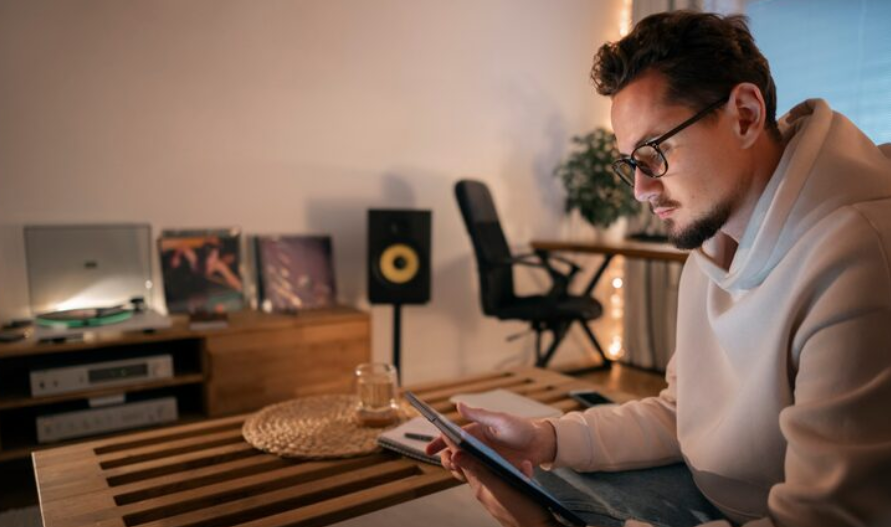
It can be surprisingly difficult to imagine a familiar room any other way. A different colour, softer lighting, or a new furniture arrangement may sound appealing, but a paint sample or a single photograph does not always reveal how those choices will feel together. Dreamina’s ai video generator can turn a written idea or a reference image into a moving visual, giving homeowners and renters another way to explore a possible direction before committing time or money.
The resulting clip is a creative aid, not a measured plan or a guarantee that a change can be built. Its value lies in helping you notice what you like, discuss alternatives, and identify the practical questions that need answers before work begins.
Start with the problem you want the room to solve
A room refresh does not have to begin with a complete makeover. You may want a living room to feel calmer, a bedroom to work better for reading, or a dining area to accommodate guests without becoming cluttered. Naming the problem gives the project a useful focus and makes it easier to decide which ideas deserve further attention.
Think about how the room is used throughout the day. Is there enough space to move between the furniture? Does a chair sit where someone can actually read? Are items used daily easy to reach? A visually appealing room can still be frustrating if it does not support the people who use it.
Write down what needs to stay. In a rented home, changes to walls or fixtures may be limited by the tenancy agreement. In a family home, a favourite sofa, a collection of books, or an accessible route through the room may be non-negotiable. These constraints are useful creative boundaries: they help you explore ideas that could fit your real life.
You can then choose one question for a visual experiment. Would the room feel lighter with a different wall colour? Could a larger rug make the seating area feel more connected? Would warmer lighting create a more relaxed atmosphere in the evening? One clear question is easier to evaluate than a dramatic transformation that changes everything at once.
Gather a realistic starting point
Take a few clear photographs of the room in daylight. Include the main walls, windows, doors, and existing furniture, and keep a separate set of measurements for the features that matter. A wide view provides context, while closer images can help you remember details such as a radiator, socket, or awkward corner.
If you choose to use a photograph as a reference, select one that shows the area you want to explore. The video tool supports creating clips from an image as well as from text, so you can begin with a picture of your space or use a written description to investigate an idea more freely. Only upload images you have the right to use, and consider whether private information is visible in the background.
Keep your expectations realistic. A generated clip may change the proportions of a room, move a window, invent furniture, or alter a doorway even when you did not ask it to. Treat the image as a suggestion about mood and arrangement. Compare it with your photographs and measurements before assuming that a layout will work.
If you share a home with other people, invite them to identify their priorities early. One person may care most about a reading corner while another needs storage for everyday items. A visual can make those preferences easier to discuss, but the final choice needs to work for the people who actually live in the space.
Explore colour without buying everything at once
Colour can change the way a room feels, but choosing it from a small sample can be difficult. A moving visual can help you compare broader directions: a light neutral room with warmer accents, a deeper wall colour paired with pale furniture, or a colourful space anchored by a restrained backdrop.
Keep the comparison fair by changing one major choice at a time. If one visual has a new wall colour, different furniture, and a new floor, it will be hard to know which element creates the effect you like. Compare the same general room with two colour directions, then make a note of what appeals to you in each.
Remember that screen colours and generated lighting do not faithfully predict paint in a real room. Actual colour changes with natural light, artificial lighting, surface texture, and surrounding objects. Before painting a large area, obtain suitable physical samples and look at them at different times of day. Where possible, check the sample against the furniture and flooring that will remain.
The same approach applies to textiles. A visual can help you imagine whether a patterned cushion or warmer curtain colour fits the mood you want. It cannot tell you how fabric feels, how it drapes, or whether it is practical for your household. Use it to narrow the options, then inspect material samples where you can.
Compare furniture arrangements with movement in mind
A single image may show a beautiful arrangement but hide the route between the door and the sofa. A short moving view can encourage you to think about the room from more than one angle. Watch for the relationship between seating, tables, storage, and the main paths through the space.
Use the visual to ask practical questions. Can someone enter without squeezing past a chair? Is there enough room to open a cabinet? Does a table sit close enough to be useful without blocking the walkway? These questions turn an attractive concept into a more meaningful discussion.
The clip cannot reliably measure clearance or prove that furniture fits. Check dimensions in the actual room, including door swings, radiators, and any access needs. Painter’s tape, paper templates, or cardboard cut to the approximate footprint can help you test a proposed arrangement before moving or ordering heavy pieces.
Keep existing furniture visible in your planning where possible. A concept that replaces every item may be inspiring but less useful if your goal is to refresh the room on a modest budget. Consider which changes can be tested by rearranging what you own before buying something new.
Try lighting ideas for different times of day
Lighting affects both how a space looks and how it functions. A room used for conversation, reading, and evening relaxation may need different kinds of light for each activity. A generated video can help you explore the atmosphere of a softly lit evening or the difference between a bright central light and several smaller light sources.
Look beyond the mood. Identify where a lamp would actually sit, where it could be plugged in, and whether its position would make reading or movement easier. A beautifully lit corner in a generated scene may contain no realistic power source or may place a lamp where someone would trip over its cable.
When a change involves electrical work or a fixed fitting, check what is possible in your property and use a qualified professional where appropriate. Generated visuals cannot determine whether a circuit, fixture, or installation is safe. For smaller changes, try moving an existing lamp or comparing suitable bulbs before investing in a new lighting scheme.
Use short clips to compare styles, not chase perfection
An AI-generated room may look polished while quietly changing important details. Rather than looking for one perfect video, create a small set of directions and compare what each one helps you see. You might prefer the colour in one, the furniture balance in another, and the lighting in a third.
The tool can work from a text description or an uploaded reference image, and its video features include ways to refine aspects of a scene. Those options can help you explore a change to the atmosphere or a particular visual detail. Review each result carefully, because an adjustment may also affect surrounding objects, surfaces, or the apparent shape of the room.
Save the clips with short notes about what you are responding to. “Warmer light beside the sofa” or “less furniture near the window” is more actionable than “I like this one.” This record helps you carry the useful idea into a real plan without feeling obliged to copy an entire generated room.
It is also worth looking for what the clip leaves out. Storage, cables, heating, cleaning, and everyday objects may disappear from an idealised scene. Put them back into the conversation before making a decision. A room that works on a quiet screen still needs to accommodate normal life.
Turn inspiration into a practical plan
Once you have a preferred direction, separate the project into three groups: changes you can make with what you already own, purchases that need further research, and work that requires permission or professional advice. This makes the next step clearer and prevents a visual concept from becoming an unplanned shopping list.
Measure the room and the items you intend to keep. For any proposed purchase, check the product’s dimensions, delivery access, material information, and return conditions. If you are considering a built-in feature or structural change, speak with an appropriate professional about feasibility and cost before relying on a generated visual.
Set a budget that includes the less visible parts of the project. Paint preparation, delivery, fittings, and disposal can affect the final cost. If the complete idea is beyond your budget, decide which single change is most likely to solve the original problem. A new furniture arrangement or better task lighting may be a more useful first step than buying several decorative items.
For a rented property, review the agreement and ask the landlord where permission is needed. Even apparently reversible changes can leave marks or involve fixtures that are not yours to alter. Keep a record of any agreement and choose options that fit your actual circumstances.
Share the idea and make the final decision
If you are working with a decorator, contractor, or other household members, a short video can help explain the atmosphere you have in mind. Share it alongside photographs, measurements, a list of items to keep, and any budget constraints. Tell the person reviewing it which details are inspiration and which are requirements.
Ask for specific feedback. Is the proposed arrangement practical? Are there materials better suited to the room? What would need to change to achieve a similar effect within the budget? A professional can help translate a creative direction into options that account for the real space.
You do not need to reproduce the generated room exactly for the exercise to be worthwhile. The most useful result may be a clearer sense of the colours you enjoy, an arrangement you want to test, or a decision to keep a piece you already own. AI video can make those possibilities easier to picture; careful measuring, sampling, and planning make the final choice your own.