Key Takeaways
- Moss is most likely to return where a roof stays shaded, damp, and covered with organic debris.
- Rain can keep moss alive and move loose needles, leaves, and moss fragments into valleys and gutters.
- Roof slope, orientation, tree cover, drainage, and airflow all affect how quickly a roof dries.
- Gentle, roof-appropriate cleaning methods are often preferable to aggressive pressure washing.
- Routine inspections and clear drainage paths can help homeowners address growth before it becomes extensive.
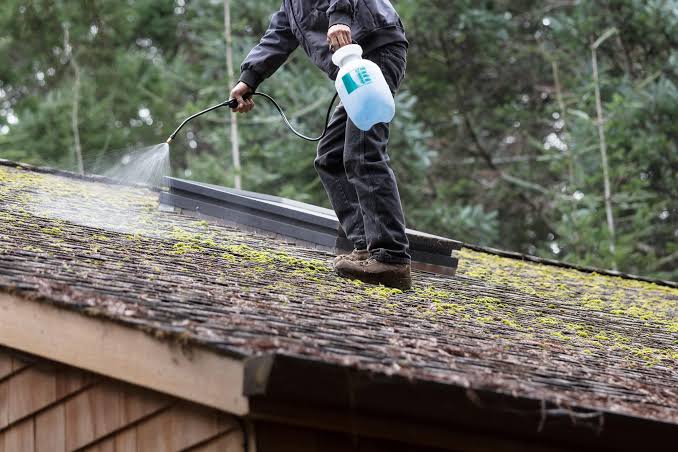
Rain may make a roof look cleaner from the ground, but it does not necessarily solve a moss problem. In fact, recurring rain can support moss by keeping roof surfaces damp, especially in shaded sections where leaves, needles, and small debris collect. For homeowners dealing with established growth, roof moss removal by Brilliant Brothers offers a roof-conscious service that includes careful removal, treatment, roof inspection, and debris cleanup. Brilliant Brothers Services serves Victoria, BC, and Greater Victoria communities, bringing practical experience with the damp coastal conditions that often encourage repeat moss growth.
Moss does not need a deep layer of soil to begin growing. It can settle into rough, weathered surfaces and along shingle edges where moisture lingers. Once a patch becomes established, it can catch more debris and retain more water, creating conditions that allow the growth to spread gradually.
Why Rain Alone Does Not Solve Roof Moss
Rainwater can rinse away some loose material, but it also wets the roof repeatedly and may leave moisture behind after the storm has passed. Moss acts much like a small sponge, holding water close to the roofing material. Loose moss, leaves, and needles may also wash toward roof valleys, gutters, and downspouts, where they can interfere with drainage.
The problem is usually not one rainy day. It is the cycle of wet weather, slow drying, and accumulating organic matter. A roof that dries quickly after rain is generally less inviting to moss than one with prolonged shade and blocked drainage paths.
The Four Conditions That Help Moss Return
1. Long Periods of Shade
Tree canopies, nearby buildings, dormers, and north-facing roof sections can limit sun exposure. Without direct sun and moving air, those areas may remain damp longer than other parts of the same roof.
2. Frequent Rain and Coastal Moisture
Wet coastal weather can create many opportunities for moss to stay hydrated. Mild conditions can also reduce the length of dry periods that would otherwise slow visible growth.
3. Organic Debris
Leaves, conifer needles, twigs, and airborne dirt can form a thin layer across shingles. Roof valleys and areas below overhanging branches often collect this material first, making them sensible places to watch during ground-level inspections.
4. Poor Drainage and Airflow
Clogged gutters, slow downspouts, and dense vegetation close to the roof can keep lower roof edges wet. Good drainage and sensible landscaping work together, and the EPA’s landscaping tips can help homeowners think through plant placement, local conditions, and runoff around the property.
How Roof Design Affects Moss Growth
Two homes on the same street can have very different moss problems. A steeper roof may shed water more quickly, while low-slope sections can remain wet longer. Roof orientation matters too, because slopes with less sunlight may dry more slowly.
- Roof texture: Older or weathered materials may provide more places for spores and debris to settle.
- Roof valleys: Valleys concentrate water flow and often trap leaves and needles.
- Overhanging trees: Branches can add shade while dropping organic material onto the roof.
- Complex rooflines: Dormers, transitions, and closely spaced features can create sheltered areas that are harder to inspect and clean.
Signs That Moss Needs Attention
A homeowner can identify many warning signs from the ground with binoculars or by viewing the roof from several angles. Avoid climbing onto a wet, steep, or unfamiliar roof without the appropriate training and safety equipment.
- Green growth along shingle edges or in shaded sections
- Dark stains that continue to expand
- Thick moss around valleys, chimneys, or dormers
- Needles and leaves collecting in the same areas
- Moss debris appearing in gutters
- Raised, curled, cracked, or uneven shingles
- Water stains on ceilings, upper walls, or attic surfaces
What Homeowners Can Do Between Professional Cleanings
- Trim branches carefully: Reduce heavy shade and limit the debris that falls on the roof.
- Keep gutters clear: Help water and loose roof debris move through the drainage system.
- Inspect from the ground: Check roof edges, valleys, and gutter lines in spring and fall, as well as after major storms.
- Watch interior warning signs: Investigate new moisture marks promptly rather than assuming moss is the only cause.
- Keep maintenance notes: Record inspections, repairs, visible growth, and any treatments used.
- Follow manufacturer guidance: Use only cleaning methods and products appropriate for the roof material.
Why Pressure Washing Can Be a Poor Choice for Some Roofs
High-pressure water can be too aggressive for certain roofing materials. It may dislodge protective granules, disturb aging shingles, or force water beneath overlapping materials. The appropriate approach depends on the roof’s material, age, slope, condition, and amount of moss growth.
Lower-impact methods may include controlled manual removal, soft-bristle tools, debris cleanup, and a treatment suited to the roof and nearby landscaping. No single method is right for every home.
A Safer Roof Moss Maintenance Process
- Inspect the roof surface, flashing, valleys, gutters, and downspouts.
- Identify the roofing material and visible damage before choosing a cleaning method.
- Remove heavy moss carefully without unnecessarily lifting or scraping roofing materials.
- Clear loose moss, leaves, and needles from roof drainage areas.
- Apply an appropriate treatment where suitable.
- Complete a final check to confirm water can move through gutters and downspouts.
- Schedule a follow-up visual inspection for shaded sections.
When to Call a Professional
Professional help is sensible when moss covers a large portion of the roof, shingles appear damaged, access is steep or difficult, or gutters are packed with organic debris. A professional assessment can also help when there are signs of leaks, attic moisture, or uncertainty about which cleaning method is safe for the roofing material.
Roof Moss in Victoria and Greater Victoria
Victoria, Saanich, Langford, Oak Bay, and nearby communities have many mature trees, shaded properties, and coastal weather patterns that can make routine roof checks especially valuable. The goal is not to expect a roof to stay perfectly moss-free forever. It is to reduce the moisture, shade, and debris conditions that give moss an opportunity to return.
Common Questions About Returning Roof Moss
Does moss come back after removal?
It can. Regrowth is more likely when the same moisture, shade, and debris conditions remain in place.
Can moss cause a roof leak?
Moss can retain moisture, interfere with drainage, and sometimes lift shingle edges. A roof inspection is needed to determine the actual cause of a leak.
Is roof moss only cosmetic?
Light staining may be mostly visual, but thick moss deserves attention because it can hold moisture and collect debris around roofing materials and drainage areas.
Make Moss Checks Part of Routine Roof Care
Roof moss usually returns because the conditions that support it have not changed. Clear gutters, trimmed branches, regular ground-level inspections, and careful cleaning can slow regrowth and help homeowners spot potential roof concerns earlier. A small maintenance step in 2026 can help prevent a more difficult problem later.