


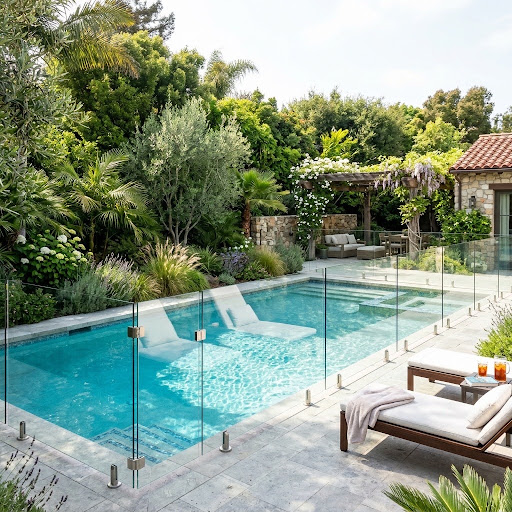
A backyard pool should feel like a retreat, not a source of stress. Yet for many homeowners, pool safety and aesthetics feel like competing priorities. Chain-link fences and heavy timber barriers do the job of keeping people safe, but they often clash with the sleek outdoor spaces homeowners have worked hard to create.
That’s where tempered glass pool fencing changes the equation. It offers the strength and safety compliance families need, without sacrificing the open, elegant look that makes a backyard feel like an extension of the home. At StyleGuard Systems, we’ve watched this shift firsthand as more homeowners move away from traditional fencing and toward glass solutions that do more with less.
This post breaks down what makes tempered glass pool fencing such a smart investment, from its durability to its design flexibility, and why it’s quickly becoming the go-to choice for modern pool owners.
What Makes Tempered Glass Different From Standard Glass?
Tempered glass isn’t your average pane of glass. It’s manufactured through a controlled thermal process that heats the glass to extreme temperatures and then rapidly cools it. This process, known as tempering, makes the glass roughly four times stronger than standard annealed glass.
The result is a material that can withstand significant impact, resist temperature fluctuations, and hold up against years of sun exposure, pool chemicals, and weather changes. If it does break under extreme force, tempered glass shatters into small, blunt fragments rather than sharp shards, which is a critical safety feature for any pool area where children and pets are present.
For pool fencing specifically, this combination of strength and safety makes tempered glass a natural fit. It meets the structural demands of an outdoor barrier while eliminating the risks associated with weaker materials.
Why Are Homeowners Choosing Glass Over Traditional Fencing?
Unobstructed Views and a More Open Feel
Traditional fencing materials like wood, vinyl, or wrought iron create visual barriers that break up sightlines and make yards feel smaller. Glass panels, by contrast, are nearly invisible when viewed straight on. This means parents can watch children swim from the patio, entertainers can maintain a connected look between their pool and outdoor living space, and the entire yard feels larger and more cohesive.
A Long-Term Investment That Holds Its Value
Wood fencing warps, fades, and requires regular staining or sealing. Metal fencing can rust over time, especially in areas with high humidity or saltwater pools. Tempered glass, on the other hand, resists corrosion, discoloration, and structural fatigue. With minimal upkeep, mainly occasional cleaning, glass fencing maintains its clarity and structural integrity for years, which translates into fewer replacement costs down the line.
A Design Upgrade That Complements Any Style
Because glass panels are minimalist by design, they pair well with nearly any architectural style, from contemporary builds to more traditional homes. Rather than dictating the look of the backyard, glass fencing enhances whatever design elements are already there. This flexibility is one reason real estate professionals often point to glass pool fencing as a feature that adds appeal for potential buyers.
What Should You Look for in a Quality Glass Pool Fence?
Not all glass fencing is created equal, and the difference often comes down to three factors:
- Glass thickness: Most residential pool fencing uses glass between 10mm and 12mm thick, which balances strength with a refined appearance.
- Panel mounting system: Frameless designs use spigots or channel systems anchored securely into the deck or ground, while semi-frameless designs use posts with clamps. Each has its own aesthetic and structural benefits depending on the layout of the pool area.
- Compliance with local safety codes: Pool fencing regulations vary by location, covering details like panel height, gap spacing, and self-closing gate requirements. Working with an experienced installer ensures the finished fence meets these standards without compromising on design.
Homeowners who take the time to evaluate these factors end up with a fence that performs well structurally and visually for the long haul.
How Does Glass Fencing Compare to Other Popular Materials?
| Feature | Tempered Glass | Wood | Aluminum/Metal |
| Visibility | Excellent, nearly unobstructed | Poor, blocks sightlines | Moderate, depends on spacing |
| Maintenance | Low, occasional cleaning | High, needs sealing/staining | Moderate, watch for rust |
| Durability | High, resists weather and impact | Moderate, prone to warping | High, but can corrode over time |
| Aesthetic Appeal | Modern, sleek | Traditional, rustic | Varies, can look industrial |
This comparison makes it clear why so many homeowners are willing to invest a bit more upfront for glass fencing. The long-term savings on maintenance, combined with the visual payoff, make it a compelling option for most residential pools.
Ready to Upgrade Your Pool Area?
Designed to protect what matters most while keeping your outdoor space beautifully open, tempered glass pool fencing gives homeowners the rare combination of safety, style, and durability in one solution. At StyleGuard Systems, we specialize in designing and installing custom glass pool fencing and glass railing systems tailored to the unique layout of your home. Our team handles everything from measuring and material selection to installation and code compliance, so you can enjoy your pool with total peace of mind.
Whether you’re building a new pool or replacing outdated fencing, now is a great time to consider how glass can transform both the safety and the look of your backyard. A well-designed glass fence doesn’t just protect your family, it becomes a feature of your home that adds lasting value.
If you’re ready to explore your options, reach out to our team for a consultation. We’ll walk you through design possibilities, answer any questions about local safety requirements, and help you find the right fit for your space and budget.