


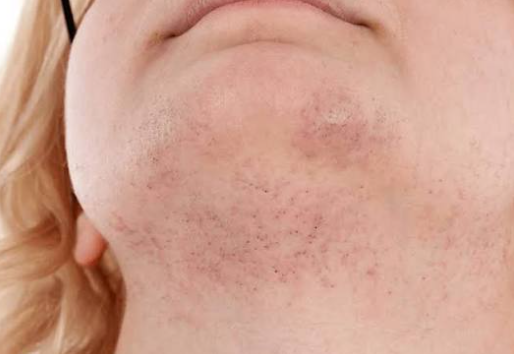
You are blending concealer in a flattering bathroom light when suddenly, there it is: one determined chin hair standing tall like it pays rent.
Before you blame your skincare, hormones or that facial hair removal razor sitting in your drawer, take a breath. Facial hair in women is extremely common. It may be soft peach fuzz, a few dark chin hairs or more noticeable growth along the upper lip, jaw and sideburns.
Some women remove it with a razor for facial hair removal. Others tweeze, wax, bleach, thread, laser or simply let it live its best life. All are valid. Your face has hair because it is a human face, not because femininity has filed a complaint.
Peach Fuzz and Hirsutism Are Not the Same Thing
Most women naturally have fine facial hair. It may become more visible under sunlight, makeup or a phone camera with absolutely no respect for privacy.
Hirsutism is different. It refers to coarser, darker hair growing in androgen-sensitive patterns, commonly around the chin, upper lip, chest or abdomen. It is often related to androgen hormones, although some women have hirsutism without an identifiable hormonal problem.
A Facial Hair Removal Razor can remove either type temporarily, but it cannot tell you why the hair is growing. For that, we need to meet the usual suspects.
Sometimes It is Simply in Your Genes
Take a discreet look at your mother, sisters, aunts or grandmother. Your follicular plot twist may already be visible in the family album.
Hair density, colour and texture are strongly influenced by genetics and ancestry. Women of Mediterranean, Middle Eastern and South Asian backgrounds may naturally have more visible facial or body hair without an underlying illness.
In other words, needing a razor for facial hair removal does not automatically mean something is medically wrong. Sometimes your follicles are simply enthusiastic.
PCOS is a Common Hormonal Reason
Polycystic ovary syndrome, or PCOS, is a common cause of hirsutism. Higher androgen activity can lead to facial hair alongside symptoms such as irregular periods, acne, scalp-hair thinning, weight changes or difficulty becoming pregnant.
One chin hair does not diagnose PCOS, and neither does owning a facial hair removal razor. But increasing coarse hair combined with menstrual changes is worth discussing with a doctor.
Knowing the cause does not make you less glamorous. It simply gives you better information and, where needed, treatment options.
Ageing Can Invite a Few New Chin Residents
Ageing has a wicked sense of humour. Hair may become less abundant on the scalp while appearing with impressive confidence on the chin.
During perimenopause, the transition before menopause, estrogen begins to decline. Because androgen effects may become relatively more noticeable, some women develop coarser facial hair around the chin, cheeks or upper lip. Fine facial hair also commonly becomes more visible with age, particularly after menopause.
Using a Razor for Facial Hair Removal at 45 when you never needed one at 25 is therefore not unusual. It is another hormonal costume change, like hot flushes, unpredictable periods and suddenly caring deeply about breathable fabrics.
Thyroid and Other Medical Conditions Can Play a Role
Thyroid disorders are a less common cause of unwanted hair growth. Other possible causes include Cushing syndrome, congenital adrenal hyperplasia and conditions affecting the ovaries or adrenal glands. Certain medicines, including testosterone, anabolic steroids, minoxidil, some epilepsy medicines and long-term steroid treatments, may also increase hair growth.
Rarely, rapid new growth can be connected to an androgen-producing ovarian or adrenal tumour. That sounds frightening, but the key word is rarely.
Seek medical advice when thick, dark hair appears suddenly or rapidly, particularly with a deeper voice, increased muscle mass, severe acne, scalp-hair loss or major menstrual changes.
Your Facial Razor Did Not Betray You
Now for the beauty myth that refuses to retire: shaving does not make hair grow back thicker, darker or faster.
A facial hair removal razor cuts the hair at the skin’s surface. Because the cut end is blunt rather than naturally tapered, regrowth may temporarily feel stubbly or look more noticeable. The follicle underneath has not received instructions to produce stronger hair.
So no, your razor for facial hair removal is not secretly recruiting more chin hairs overnight.
A Razor Can Be a Perfectly Respectable Beauty Tool
Facial shaving is quick, inexpensive and painless when done carefully. It may also create a smoother surface for makeup by removing visible peach fuzz.
Use a clean, sharp facial hair removal razor on calm skin, with light pressure and controlled strokes. Avoid going repeatedly overactive acne, cuts or irritated patches. Clean the tool after use and replace it when it begins dragging.
A razor for facial hair removal gives temporary results, just like threading, waxing or depilatory products. Laser and electrolysis may offer longer-lasting reduction, while medical treatment may help when hormones are driving the growth. No single method earns the crown for every face.
The Hair is Not the Problem Unless It is a Problem for You
You are allowed to remove facial hair because you prefer smoother makeup. You are allowed to keep it because you have better things to do. You are allowed to use a facial hair removal razor today and ignore the same hair next week.
Facial hair does not make a woman careless, unfeminine or unattractive. It makes her a mammal with follicles.
Use a razor for facial hair removal, book a threading appointment or let that rogue chin hair enjoy its moment. Just pay attention when growth changes suddenly or arrives with other symptoms.
Your face is still fabulous. It simply came with texture.