

Introduction to Kitchen Storage
The kitchen storage tips is often considered the heart of the home, where families gather to prepare meals and enjoy each other’s company. However, many households face significant challenges when it comes to effective kitchen storage. As the hub for cookware, utensils, pantry items, and appliances, a cluttered kitchen can hinder not only the cooking process but also the overall enjoyment of this vital space. Proper organization is essential to maximizing functionality and efficiency. One common issue encountered in kitchen storage is the lack of space. With an increasing number of kitchen gadgets and bulk shopping habits, it can be difficult to find a place for everything. Crowded countertops and overflowing cabinets can lead to a chaotic kitchen environment, making it difficult to locate essential items when needed. Effective kitchen storage solutions can help mitigate these challenges, allowing for greater accessibility and quicker meal prep times.
Additionally, poorly organized kitchens can impact cooking experiences negatively, hindering creativity and enjoyment in meal preparation. When a kitchen is cluttered, it becomes stressful rather than enjoyable, which can impact family dynamics as meal preparation becomes more of a chore than a bonding activity. By implementing effective storage solutions, a well-organized kitchen can contribute to a more pleasant and streamlined cooking experience, making it easier to engage in culinary activities.
As we explore various kitchen storage hacks throughout this blog post, remember the significance of achieving a well-organized space. Effective kitchen storage is not merely about fitting items into available spaces; it is about transforming your kitchen into a functional oasis that encourages creativity, efficiency, and enjoyment in cooking. Proper organization leads to a better cooking experience, making it essential for all households striving to optimize their kitchen’s potential.
Assessing Your Kitchen Space
Evaluating your kitchen space is a fundamental step in optimizing storage. A thorough assessment allows you to identify underutilized areas and create an efficient storage plan. Start by clearing everything off your countertops and shelves; this clean slate will help you visualize the available space more effectively.
Begin with a walk-through of your kitchen, noting down where you experience clutter. Pay attention to cabinets, drawers, countertops, and pantries. Look for areas that feel cramped or cluttered; these are indicators that a reorganization is needed. As you survey the space, consider the layout and functionality of your kitchen. Are there items that serve the same purpose? Can you designate specific areas for certain types of utensils or appliances?
Next, categorize all items based on their usage frequency. Keep frequently used items within arm’s reach in accessible locations, such as the front of drawers or lower shelves. Items that are used less often can be moved to the back of cabinets or stored out of sight. This method not only enhances convenience but also maximizes the space available.
It is equally important to evaluate what items can be discarded or donated. Consider using a “one year rule”; if you haven’t used an item in the past year, it may no longer be necessary. This practice not only reduces clutter but also opens up space for more essential items. Organizing must also take into account the type of items; for example, group kitchen tools, appliances, and pantry items separately. Each category should have its dedicated space, ultimately improving the workflow in your kitchen.
Through this careful evaluation of your kitchen space, along with a strategic organization plan, you will find that your kitchen can be both functional and aesthetically pleasing. This initial assessment sets the tone for further kitchen storage hacks that follow.
Utilizing Vertical Space
In modern kitchen design, maximizing available space is crucial, and one of the most effective strategies is utilizing vertical space. This concept involves the use of shelves, wall-mounted racks, and pegboards to optimize storage while minimizing clutter. By taking advantage of the vertical plane, individuals can create an organized and efficient kitchen environment.
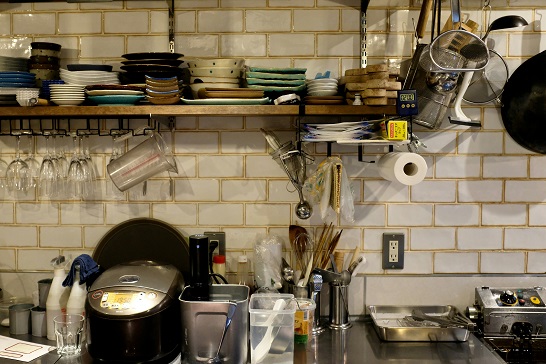
Wall-mounted shelves are particularly beneficial as they can provide additional storage for frequently used items without consuming precious counter space. These shelves can be styled with decorative elements, serving both functional and aesthetic purposes. For example, open shelving can showcase colorful dishware or spice jars, adding a personalized touch to the kitchen.
Pegboards have gained popularity as a versatile storage solution. They allow for a customizable approach to organization, enabling users to hang various kitchen tools, utensils, and even pots and pans. This not only frees up drawer space but also makes essential items easily accessible, significantly improving workflow in the kitchen.
Incorporating vertical storage solutions is not limited to contemporary designs; they can be adapted to suit various kitchen styles. Rustic or farmhouse kitchens can benefit from traditional wooden shelves or reclaimed wood pegboards, while sleek metal racks may complement modern and minimalistic designs. Furthermore, adding hooks on walls for hanging cutting boards or small pans can enhance functionality and style.
Ultimately, utilizing vertical space presents practical advantages in kitchen organization. It encourages efficient use of area, improves accessibility, and can elevate the kitchen’s overall appearance. By thoughtfully integrating vertical storage solutions, kitchen design can be transformed into a space that is both functional and visually appealing.
Creative Use of Containers and Bins
When it comes to maintaining an organized kitchen, the strategic use of containers and bins is essential. These items play a crucial role in preventing clutter, maximizing space, and ensuring easy access to food items. Utilizing various types of containers tailored for specific food products not only enhances organization but also preserves freshness.
For pantry staples such as grains, cereals, and pasta, consider using clear, airtight containers. These containers not only keep the contents visible, making it easier to find what you need, but they also help in extending shelf life by keeping moisture out. For spices, small glass jars or labeled containers allow for easy selection and can be stored in a dedicated spice rack or drawer.
In addition to food storage, bins can be employed for organizing kitchen utensils and tools. Drawer organizers or stackable bins are ideal for keeping items such as measuring cups, spoons, and peelers neatly arranged and accessible. Furthermore, use bins in your fridge to separate items like snacks, sauces, and vegetables, promoting better visibility while minimizing mess.
Effective labeling is another key aspect of using containers and bins creatively. Ensure each container is labeled clearly, indicating the contents and, if applicable, expiration dates. Using consistent labels enhances the aesthetic appeal and helps in maintaining order. Moreover, when stacking containers, place the most frequently used items on top or at eye level to facilitate convenient access.
By diversifying the types of containers and employing practical stacking and labeling techniques, you can transform your kitchen into an organized oasis. This thoughtful arrangement not only improves functionality but encourages cooking and meal prep by creating an inviting environment.
Maximizing Drawer and Cabinet Space
Optimizing kitchen drawers and cabinets is a crucial aspect of effective kitchen storage. Efficient organization not only enhances functionality but also promotes a more enjoyable cooking experience. One of the key tools in achieving this objective is the use of drawer dividers. These dividers come in various materials and designs, allowing you to create custom sections for utensils, cutlery, and kitchen gadgets. By keeping items separated, you can easily locate what you need, saving precious time during meal preparation.
Another valuable tool to consider is shelf risers. These raised platforms maximize vertical space within kitchen cabinets, allowing for better utilization of space that might otherwise go unused. By installing shelf risers, you can stack items such as plates, bowls, or canned goods, effectively doubling your storage capacity. They are particularly beneficial in deeper cabinets where visibility and accessibility can become challenging.
Employing a lazy Susan can also significantly improve cabinet organization. This rotating tray ensures that everything stored in corner cabinets is easily accessible, thereby minimizing the need to reach into the back where items are often lost. Lazy Susans can be found in various sizes and materials; they can even be DIY projects, using a simple circular platform and some basic supplies.
In addition to these tools, consider implementing a strategic approach by grouping similar items together. For example, place baking sheets, mixing bowls, and measuring cups within proximity to facilitate an efficient workflow. By combining the right organizational tools with a systematic arrangement of items, you will not only create more space in your drawers and cabinets but also cultivate a kitchen environment that fosters creativity and efficiency in meal preparation.
Hidden Storage Solutions
When it comes to maximizing space in your kitchen, utilizing hidden storage solutions can effectively create additional room for organization and functionality. One of the most underutilized areas is the space beneath the sink. By installing adjustable shelving or utilizing stackable bins, you can effectively store cleaning supplies, trash bags, and other items while keeping them out of sight. Consider using pull-out drawers or sliding trays, which allow easy access to the back corners of this often-neglected area.
Another practical approach is to look for storage opportunities behind cabinet doors. This can be accomplished by incorporating over-the-door racks that can hold items such as spice jars, pot lids, or even lightweight cookware. By employing these racks, you are not only freeing up valuable shelf space but also ensuring that frequently used items are easily reachable without rummaging through clutter.
Corners in your kitchen can also serve as valuable storage locations when equipped with the right solutions. Lazy Susans or corner shelves can help you optimize these areas, allowing you to effortlessly access items stored deeper in the back. These rotating shelves can easily accommodate seasoning jars or small cooking appliances, making it a breeze to find what you need when you’re in the middle of meal preparation.
Additionally, consider investing in collapsible kitchen items or furniture that doubles as storage solutions. Folding tables or drop-leaf islands can provide extra work surfaces when needed yet neatly tuck away when not in use. Keeping these hidden storage options in mind will help create a more organized and efficient kitchen space, all while maintaining a clean aesthetic.
Incorporating Multi-Functional Furniture
In the realm of kitchen design, incorporating multi-functional furniture has emerged as a valuable strategy for enhancing both efficiency and storage. These versatile pieces serve dual purposes, making them an asset for kitchens that often struggle with limited space. For instance, kitchen islands with built-in storage not only provide a crucial workspace for meal preparation but also offer additional cabinets and drawers to neatly conceal utensils, cookware, and other essentials. This integration allows homeowners to maximize their kitchen’s capacity without compromising on style or aesthetics.
Another practical example is benches equipped with hidden compartments. These benches can serve as seating arrangements for family and guests while discreetly housing items that typically clutter countertops and cabinets. By opting for such multi-functional furniture, individuals can effectively reduce visible mess, creating a more organized and inviting kitchen atmosphere. This approach is particularly advantageous in smaller kitchens where every square inch is precious.
Moreover, multi-functional furniture often combines modern design with practicality, offering an elegant solution that aligns with contemporary kitchen trends. With a focus on sleek lines and innovative designs, these pieces not only enhance functionality but also complement the overall decor of the kitchen. As a result, homeowners can enjoy a harmonious blend of usability and aesthetics.
Incorporating multi-functional furniture into the kitchen is a smart investment that brings forth numerous advantages, such as enhanced storage solutions and improved workspace functionality. It is a strategic approach that allows those with limited kitchen space to optimize their environment, ultimately creating a more enjoyable cooking and dining experience.
Maintaining an Organized Kitchen
Once you have implemented effective storage solutions in your kitchen, it is essential to establish habits that will sustain organization over time. The first step in maintaining a tidy kitchen is regular decluttering. Each week, dedicate a few minutes to assess kitchen items. Check your pantry for expired food products, remove duplicates, and donate any utensils or appliances that are no longer used. By consistently clearing out unnecessary items, you prevent clutter from accumulating.
In addition to weekly decluttering, consider conducting seasonal reviews of your kitchen organization. Each change of season presents a unique opportunity to reassess your storage systems. For example, as summer transitions to fall, evaluate your kitchen tools and gadgets. Store seasonal items, such as the ice cream maker, in hard-to-reach spaces during off-seasons and keep frequently used tools easily accessible. This strategy not only removes clutter but also ensures that your kitchen remains functional throughout the year.
Incorporating daily habits is another effective way to maintain an organized kitchen. Establish a routine that includes cleaning up immediately after cooking. A few minutes spent tidying up can drastically reduce clutter buildup. After every meal, wipe down surfaces, wash dishes, and return items to their designated storage areas. Encourage family members to take part in these cleaning rituals to foster a shared sense of responsibility toward kitchen organization.
Moreover, implementing a “one in, one out” policy can aid in maintaining an organized kitchen. For every new item you bring into your kitchen, consider removing an existing item. This approach prevents overwhelm and keeps your space functional and tidy. Ultimately, maintaining an organized kitchen is an ongoing effort that involves establishing efficient habits and conducting regular evaluations of your storage solutions for continued effectiveness.
Conclusion and Final Thoughts
In this blog post, we have explored various kitchen storage hacks that effectively maximize space and improve organization. The hacks discussed encompass a range of strategies, including vertical storage solutions that utilize wall space and efficient drawer organization that facilitates easy access to utensils and tools. By integrating these innovative approaches, readers can significantly enhance their kitchen’s functionality.
Another key aspect mentioned is the use of underutilized spaces, such as the area under the sink or above cabinets. By carefully selecting storage containers and organizing items based on frequency of use, one can create a clutter-free environment. Additionally, utilizing multi-functional furniture, such as kitchen islands with built-in storage, not only optimizes space but also adds aesthetic value to the kitchen.
It is important to remember that an organized kitchen contributes to a more efficient cooking environment, fostering creativity and enjoyment in meal preparation. Experimenting with these different storage solutions can lead to personalized outcomes that suit individual cooking habits and kitchen layouts. Embracing change and being open to trying new hacks will ultimately help transform your kitchen into a well-ordered space.
In conclusion, investing time into kitchen organization not only simplifies cooking tasks but also enhances the overall experience in one of the most pivotal areas of the home. Elevating your kitchen’s functionality through effective storage hacks will lead to a more enjoyable atmosphere for cooking and entertaining alike.