


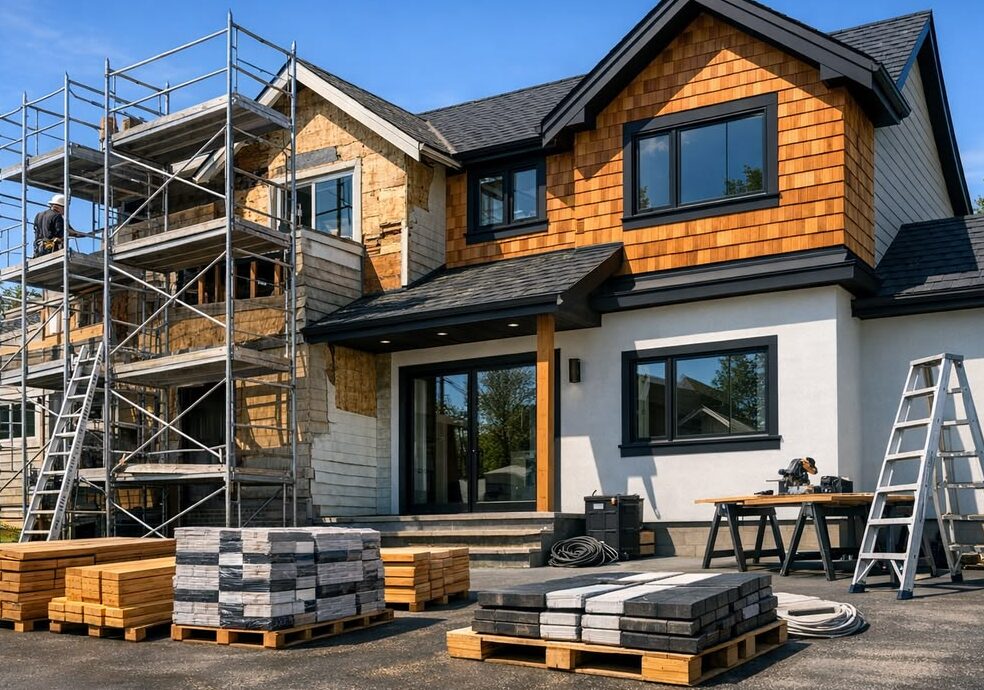
Understanding Durability in Home Materials
Durability is a critical factor to consider in the selection of materials for home construction and renovation. It encompasses a material’s ability to withstand various forms of wear and tear over time while maintaining its functional and aesthetic qualities. In essence, a durable material is one that offers longevity, requiring minimal repairs or replacements throughout the lifespan of the home.
Several elements contribute to the durability of a material, including its physical properties, resistance to environmental factors, and the necessary maintenance regime. For example, materials like hardwood, brick, and stone are renowned for their robust nature, capable of enduring heavy use and diverse weather conditions without significant degradation. On the other hand, materials like vinyl or certain composite types may provide lower durability when faced with harsh exterior elements or extensive indoor use.
Environmental factors play a pivotal role in determining the longevity of home materials. Exposure to moisture, ultraviolet light, and extreme temperatures can adversely affect material performance. For instance, wood may be susceptible to rot and pest infestation if not treated appropriately, while metals could corrode in humid environments. Selecting materials that are specifically designed or treated for resilience against local environmental conditions can greatly enhance their lifespan.
Moreover, the maintenance requirements associated with a material should not be overlooked. Some materials may require frequent upkeep or specific care practices to ensure they remain in good condition over the years. Conversely, others might be virtually maintenance-free, making them a more appealing option for long-term investment.
In summary, understanding the concept of durability in home materials is essential for making informed decisions in home construction and renovation. Investing in durable materials not only enhances the longevity of the home but also contributes to sustaining property value over time.
Assessing Your Environment
When selecting materials for your home, one critical aspect to evaluate is the environment in which you reside. Various climates and geographical conditions can significantly influence the longevity and performance of building materials. For instance, areas characterized by high humidity can lead to an increased risk of mold and mildew, which can deteriorate certain organic materials like wood. Therefore, when selecting materials for such environments, it is essential to consider options that are treated or inherently resistant to moisture.
Additionally, temperature fluctuations can pose challenges to various materials. Regions that experience extreme temperature changes might see expansion and contraction in materials such as metals and plastics, leading to wear and tear over time. In these cases, opting for thermal-resistant materials could be beneficial. Products made from fiberglass and composites, for example, can withstand temperature variations better than traditional materials.
Moreover, certain materials fare differently when exposed to the elements, especially in areas prone to heavy rainfall or snowfall. Concrete and brick are generally more durable and withstand harsh weather better than lighter materials; however, they can also suffer from freeze-thaw cycles if not properly treated. Therefore, incorporating water-resistant barriers in corresponding regions becomes imperative for enhancing longevity.
Furthermore, geographical aspects such as coastal regions may require corrosion-resistant materials due to salt exposure. In such cases, selecting materials like stainless steel or specialized coatings can lead to a more durable outcome. Ultimately, an assessment of your specific environmental conditions will guide you in choosing the right materials, ensuring sustainable and lasting outcomes for your home construction or renovation projects.
Material Types and Their Longevity
When building or renovating a home, selecting the right materials is crucial for ensuring longevity and durability. Different materials come with their distinct characteristics, lifespans, maintenance requirements, and costs. Understanding these aspects can help homeowners make informed decisions.
Wood is a popular material known for its aesthetic appeal and versatility. The average lifespan of wood varies based on the type and treatment; untreated softwood may last around 20 to 30 years, while treated hardwood can endure up to 100 years or more. Although it provides good insulation properties, wood requires regular maintenance, such as sealing and painting, to protect against pests, decay, and moisture. The cost can vary significantly; hardwood is generally more expensive than softwood.
Metal, often used in roofing and framing, is recognized for its durability and resistance to rot and pests. Materials such as stainless steel and aluminum can last 40 to 100 years with minimal maintenance, making them a cost-effective choice in the long run. However, metal can be prone to corrosion, particularly in coastal climates, necessitating protective coatings. Despite this vulnerability, its strength and low maintenance needs often appeal to homeowners.
Concrete is celebrated for its exceptional longevity, with an estimated lifespan of 50 to 100 years. It is highly durable, fire-resistant, and capable of withstanding harsh weather conditions. Nevertheless, concrete demands specific maintenance practices, such as sealing to prevent cracking and water damage. While the initial cost of concrete can be high, its durability can result in lower lifetime costs compared to other materials.
Stone materials, including granite and limestone, are renowned for their aesthetic and intrinsic value. Their longevity often exceeds 100 years, and they exhibit remarkable resistance to the elements. However, stone can be expensive to source and install, and its weight might necessitate additional structural support. Overall, stone requires minimal maintenance, primarily focused on cleaning and sealing.
In conclusion, selecting long-lasting home materials necessitates careful consideration of each material’s durability, maintenance, and cost-effectiveness. By weighing these factors, homeowners can make choices that enhance their living spaces while ensuring longevity and value over time.
The Role of Quality in Material Selection
When it comes to selecting materials for home construction or renovation, the importance of quality cannot be overstated. High-quality materials play a crucial role in determining the overall durability and performance of a home, impacting both structural integrity and aesthetic appeal. Investing in superior materials often results in long-term savings, as they tend to require less maintenance and replacement over time.
One of the primary benefits of choosing high-quality materials is their enhanced durability. For instance, using premium wood for framing or roofing can significantly extend the lifespan of a home. Similarly, high-end plumbing fixtures are likely to outlast their cheaper counterparts, minimizing the frequency of repairs and replacements. Furthermore, quality materials are often designed to withstand various environmental factors, adding an unofficial layer of protection against issues like moisture, mold, and pests.
Identifying quality products can sometimes be challenging, but several key indicators can guide your selection. First, always examine product certifications and warranties. Reputable manufacturers typically offer substantial warranties, reflecting their confidence in the material’s longevity. Additionally, looking for industry certifications, such as Energy Star or Forest Stewardship Council (FSC) ratings, can ensure you are choosing sustainable and high-performing options.
Another strategy to identify quality materials is to consider brand reputation and customer reviews. Established brands with a track record of excellence often have good reviews highlighting their products’ durability and performance. Visiting showrooms or talking to professionals in the field can also provide valuable insights into different materials and brands. By prioritizing quality in your material selection process, you set the stage for a home that not only looks great but is built to last.
Sustainability and Long-lasting Materials
In recent years, the emphasis on sustainability within the construction and design sectors has prompted a reevaluation of the materials we use in our homes. To create a home that not only lasts but also respects the environment, it is essential to explore the relationship between sustainability and material longevity. Sustainable materials are those that are responsibly sourced, produced, and disposed of, adding to the home’s durability while minimizing environmental impact.
When selecting materials for home construction or renovation, consider options like bamboo, reclaimed wood, and recycled metal. Bamboo, known for its rapid growth and renewability, serves as an excellent hardwood substitute. Its strength and versatility allow it to be used in flooring, cabinetry, and furniture while remaining eco-friendly. Reclaimed wood is another remarkable choice, as it uses discarded timber from old buildings or structures, giving it a new life while reducing waste. This not only lowers the need for new resources but also adds unique character to the home.
The utilization of recycled metals, such as steel and aluminum, is likewise gaining traction. These materials are highly durable and can be recycled repeatedly without losing their integrity. Such choices can lead to lower long-term costs, as sustainable materials often require less maintenance and fewer replacements. Moreover, homes built with a focus on sustainable materials generally see an increase in value over time, as more buyers are looking for eco-friendly options.
By selecting sustainable materials, homeowners contribute positively to the environment while ensuring that their properties maintain both resilience and appeal. Thus, the selection of long-lasting materials intertwined with environmentally friendly practices not only enhances the aesthetic of a home but also delivers significant benefits for future generations.
Maintenance Tips for Longevity
Maintaining the durability of home materials is crucial to ensuring they last over time. Homeowners should implement a systematic maintenance routine to enhance the longevity of various materials used in their homes. Regular checks on different components of a household can help identify potential issues before they escalate into more serious problems.
For instance, homeowners should routinely inspect roofing materials for any signs of wear or damage, such as missing shingles or moss growth. It is advisable to clear gutters regularly to prevent water accumulation, which can weaken roofing and lead to leaks. Additionally, checking siding materials for cracks or peeling can help maintain both aesthetic appeal and structural integrity.
Cleaning routines also play a vital role in extending the life of home materials. For example, decks and patios should be cleaned to remove debris, dirt, and mildew, which can contribute to deterioration over time. Using a gentle cleaning solution and a soft-bristle brush, homeowners can maintain the appearance and integrity of wood or composite decking materials.
Protective measures can further enhance durability. Applying sealants or protective coatings to surfaces exposed to harsh weather can significantly extend their lifespan. For instance, treating wood with a high-quality sealant helps resist moisture damage, while using weather-resistant paints on exterior surfaces can protect against UV rays and rain.
Finally, it is beneficial to follow the manufacturer’s recommendations for maintenance and care. Whether it’s flooring, cabinetry, or countertops, understanding how to properly care for materials ensures they perform optimally and remain visually appealing. Proper maintenance not only preserves the appearance of home materials but also prevents costly replacements, promoting long-term sustainability in a household.
Cost vs. Value: Investing in Longevity
When considering home improvements, the balance between cost and value is a crucial factor. While the initial expense of durable building materials may appear higher than that of cheaper alternatives, a closer examination reveals that investing in longevity offers substantial long-term financial benefits. Homeowners often face the temptation of opting for lower-priced options to save money initially. However, these materials often lack durability, leading to increased costs over time as they require frequent replacement.
Choosing high-quality materials can yield significant savings in the long run due to minimized maintenance and replacement needs. For instance, while natural stone or quality hardwood may demand more upfront investment, their lifespan can far exceed that of laminate or cheaper vinyl options. Studies suggest that durable materials, when properly maintained, can last decades or even centuries, thereby reducing the frequency of renovations or replacements required.
Additionally, the overall value of a home can be significantly enhanced with the use of long-lasting materials. Potential buyers often perceive higher-quality finishes and materials as markers of a well-maintained home, which can positively influence property value. Even if the upfront cost is substantial, the resale potential can justify such an investment. Homes equipped with durable roofing, siding, and efficient windows not only stand the test of time but also appeal to environmentally conscious buyers who prioritize sustainability.
In conclusion, while the cost of durable materials might be a barrier for some homeowners, the potential value gained from their longevity offers compelling reasons to choose them. The financial implications of frequently replacing inferior materials should not be underestimated; investing in quality often leads to significant savings and appreciation over time, ultimately benefiting homeowners both financially and visually.
Expert Opinions on Material Choices
When it comes to selecting materials for home building or renovation, insights from industry experts can be highly valuable. Architects, builders, and interior designers frequently emphasize the importance of durability, sustainability, and aesthetics when choosing materials that will stand the test of time.
One prominent architect, noted for his sustainable designs, often recommends materials like reclaimed wood and stone. He argues that reclaimed wood not only offers unique character and history to a space but also reduces the demand for newly harvested resources. Stone, on the other hand, stands out for its longevity and minimal maintenance requirements, making it an ideal choice for both indoor and outdoor applications.
A case study from an award-winning builder illustrates the effective use of fiber-cement siding. This material has become increasingly popular due to its resilience against extreme weather conditions, pests, and fire. The builder’s project, which involved constructing a family home in a coastal area, showcased how fiber-cement siding can maintain its integrity and aesthetic appeal over many years, proving its worth as a long-term investment.
Interior designers also play a crucial role in materials selection, suggesting tiles made from porcelain for high-traffic areas. Porcelain tiles are recognized for their durability, water resistance, and the wide variety of available designs. An interior designer’s recent project involved a commercial space that chose porcelain flooring; this choice not only enhanced the visual appeal of the space but also minimized replacement costs over time. These expert insights highlight that informed choices in material selection can contribute significantly to the longevity of homes.
Conclusion and Final Tips
In the realm of home construction and renovation, the selection of durable materials plays a critical role in ensuring the longevity and maintenance of living spaces. This choice is not only about aesthetic appeal but also about the fundamental reliability and performance of the materials used. Durable home materials tend to withstand the ravages of time, environmental factors, and wear and tear, ultimately resulting in a home that remains in good condition for years.
One of the key takeaways is the importance of assessing the durability of materials against your specific environmental context and usage patterns. For instance, materials that perform well in drier climates may not be suitable for areas prone to high humidity. By understanding the localized conditions, homeowners can make informed decisions that will yield long-lasting results.
Furthermore, thorough research is essential before committing to any material selection. It is advisable to compare options based on factors such as lifespan, maintenance requirements, and potential environmental impact. Consulting with professionals or seeking reviews from other homeowners can provide valuable insights that inform your decision-making process.
Ultimately, the long-term implications of selecting durable materials extend beyond immediate costs; healthier living environments and reduced replacement frequencies also contribute significant financial savings over time. Therefore, investing time and resources in the selection process is a step that should not be overlooked. By carefully considering your options and prioritizing durability, you ensure that your home not only withstands the elements but also remains a source of comfort and pride for years to come.